Wood Siding: Timeless Appeal, Modern Performance
Is your home missing that warm, inviting look—the kind that never goes out of style? Maybe you’re dreaming of something classic, but you want it to last through every storm, season, and trend. At Schaefer Exteriors, we’ve seen wood siding bring out the best in homes—inside and out. But there’s more to it than just good looks.
Wood siding isn’t just another cladding. It’s history and innovation, all in one. Let’s walk through what sets it apart, what to watch for, and how to keep it looking sharp for years.
Types of Wood Siding: Finding Your Perfect Fit
Wood siding comes in more flavors than ice cream at a summer fair. Each type has its own style, durability, and price point. Here are the most common options for residential homes:
- Clapboard (Bevel): Long, overlapping horizontal boards. Classic and versatile, like a well-worn pair of jeans.
- Shingles & Shakes: Small, rectangular pieces installed in rows. Shingles offer a neat, uniform look, while shakes are more rustic and hand-split.
- Board-and-Batten: Wide boards with narrow strips (battens) covering the seams. It’s bold, vertical, and perfect for a farmhouse vibe.
- Tongue-and-Groove: Boards fit together like puzzle pieces. Great for a tight, weather-resistant seal.
- Drop Siding: Boards overlap with a decorative groove. Adds a subtle shadow line and visual depth.
Species matters, too. Cedar, redwood, and cypress are prized for their natural resistance to rot and insects. Pine and spruce are more affordable, but need extra TLC.
Tip: When choosing wood, think about your climate and maintenance routine. Not sure? Get a Siding Color Consultation.
Benefits and Drawbacks: Is Wood Siding Right for You? 🌳
Every rose has its thorn, and wood siding is no different. Here’s the honest rundown:
Why Homeowners Love Wood Siding
- Timeless Curb Appeal: Nothing matches the warmth and charm of real wood.
- Customizable: Paint it, stain it, or let it weather naturally. You’re in control of the look.
- Eco-Friendly Options: Wood is renewable, especially from responsibly managed forests.
- Repairs are Simple: Damaged boards can be replaced—no need to redo the whole wall.
Potential Drawbacks
- Maintenance: Wood needs regular sealing, painting, or staining. Skip it, and you risk rot or warping.
- Cost: Upfront investment can be higher than vinyl or fiber cement.
- Vulnerability: Without proper care, wood is susceptible to moisture, insects, and sun.
- Fire Risk: Some species are more flammable, but you can add treatments for extra protection.
Real-World Example
One Lubbock homeowner wanted a barn-inspired look with modern insulation. We installed cedar board-and-batten. It turned heads and, with annual maintenance, still looks stunning five years later.
Installation Process: Steps to a Flawless Finish
Installation isn’t just hammering boards to a wall. It’s more like building a layered cake—each step matters for taste and longevity.
What the Pros Do:
- Inspection & Prep: We check the structure, existing siding, and flashing. Any rot or mold gets addressed first.
- Moisture Barrier: A weather-resistant barrier (WRB) goes up—think of it as a raincoat for your house.
- Trim & Flashing: Corners, windows, and doors get special attention to keep water out.
- Siding Installation: Boards, shingles, or panels are installed with the right spacing for expansion. Stainless steel nails prevent rust marks.
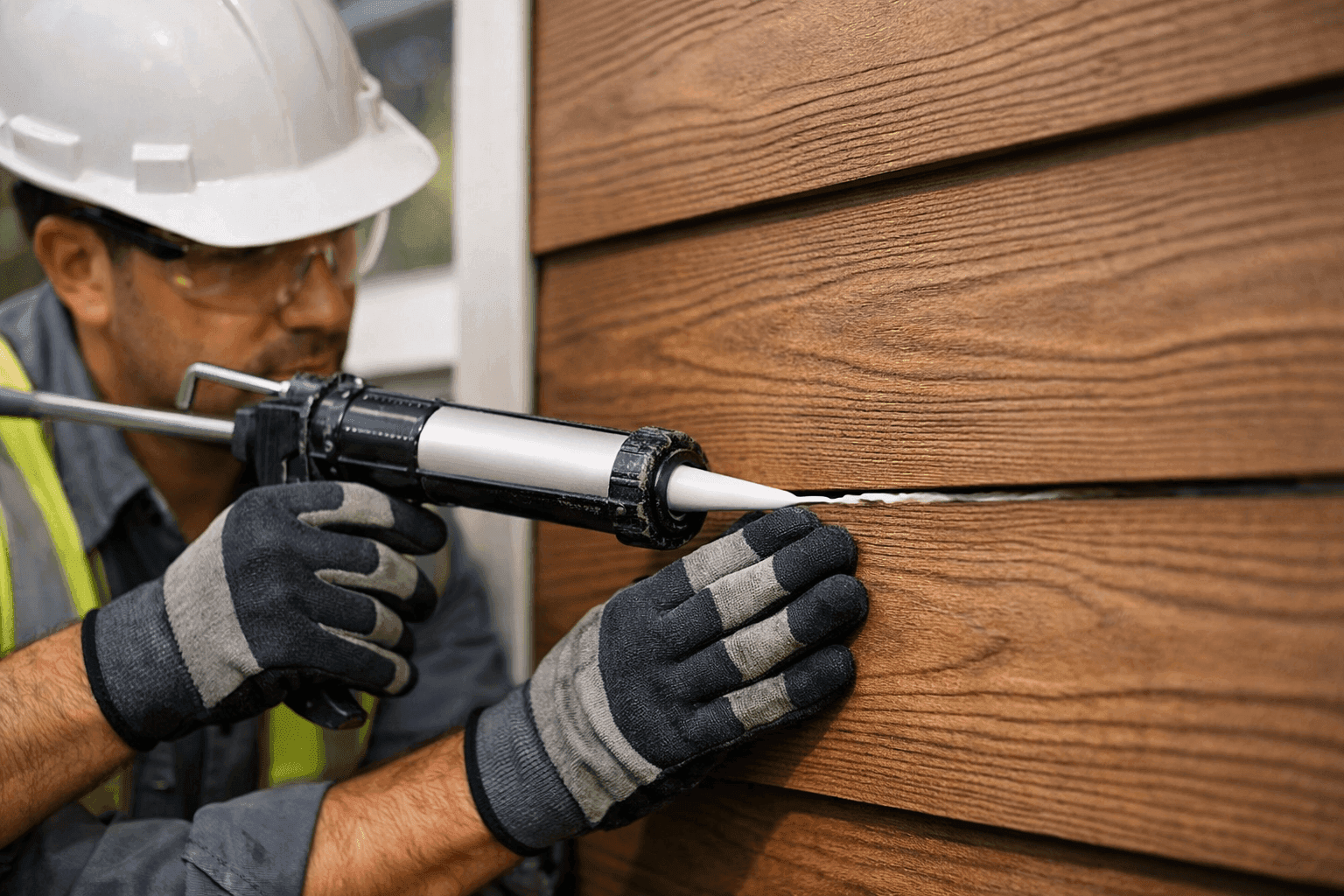
- Finishing Touches: Caulking, painting, or staining. Plus soffit and fascia installation if needed.
Note: The International Residential Code (IRC) requires a WRB behind wood siding for moisture control.
DIY or Pro? Installing wood siding is heavy, detail-oriented work. Small mistakes—like a missed flashing or crooked board—can mean big headaches later. For safety and warranty reasons, professional installation is recommended.
Weatherproofing: Guarding Against the Elements ⛈️
Texas sun, hail, or heavy rain—wood siding can take a beating if it’s not protected. Here’s how we keep it safe:
- Quality Finishes: Oil-based stains penetrate deep and bring out the grain. Acrylic latex paints provide a tough, weatherproof shell.
- Seal All Ends: Cut ends are like sponges for water. Sealing them is essential.
- Proper Flashing & Caulking: Keeps water out of seams and joints.
- Ventilation: Prevents moisture build-up behind the siding, reducing the risk of rot.
Rain, shine, or snow—weatherproofing is your first defense. Learn more about Siding Weatherproofing to keep your investment protected.
Maintaining Wood Siding: Small Steps, Big Rewards
Think of maintenance like brushing your teeth—skip it and problems pile up. Here’s how to keep wood siding looking new:
- Annual Inspection: Check for peeling paint, cracks, or soft spots. Pay extra attention after storms.
- Regular Cleaning: Use a soft brush and mild soap. Pressure washing can damage the surface if used carelessly.
- Repaint or Restain: Every 3–7 years, depending on exposure and climate. Lighter colors reflect heat, which helps in hot areas.
- Prompt Repairs: Replace split or rotted boards right away.
- Check Caulking: Look around windows, doors, and joints for gaps.
Safety tip: Always use a sturdy ladder and eye protection. The Occupational Safety and Health Administration (OSHA) offers ladder safety guidelines.
Design Ideas: Wood That Wows
Wood siding isn’t one-size-fits-all. Here are a few ways homeowners have made it their own:
- Mix horizontal and vertical boards for a modern twist.
- Go bold with dark stains and light trim.
- Add decorative gable accents with shingles or shakes.
- Pair wood siding with stone or metal for contrast.
- Try a clear finish to let beautiful grain shine.
A fresh Siding Color Consultation can help bring your vision to life.
Finishes: The Secret to Longevity
The right finish is like sunscreen for your home. Here’s what to consider:
- Paint: Seals the wood and offers unlimited color options. Needs to be reapplied every few years.
- Stain: Shows off the grain, comes in transparent to solid colors. Oil-based stains last longer but can be trickier to apply.
- Clear Sealers: For a natural look. Best for covered areas as they offer less protection from UV.
Pro tip: Apply finishes on all sides (including edges and ends) before installation for full protection.
Rot Prevention: Stop Problems Before They Start 🛡️
Rot is the enemy of wood siding. Moisture is the culprit. Here’s how to fight back:
- Sloped Sills: Direct water away from the house.
- Gutter Maintenance: Clear gutters keep water from pooling near the siding.
- Proper Grading: Soil should slope away from the foundation.
- Regular Sealing: Keeps moisture out.
- Ventilated Design: Allows trapped moisture to escape.
If you see soft spots, discoloration, or mildew, address them fast. Early action saves money and headaches.
Signs of Trouble: When to Repair or Replace
Keep your eyes peeled for:
- Cracked, warped, or split boards
- Bubbling or peeling paint
- Soft or spongy spots (push with your finger)
- Mold, mildew, or insect activity
- Loose nails or sagging panels
Small issues can often be fixed. But widespread rot or damage may mean it’s time for Siding Replacement. Don’t wait—damage spreads fast.
Timeline & Disruption: What to Expect
Most wood siding installations take 1–2 weeks for an average residential home. Weather, project size, and prep work can stretch that out. Expect some noise, dust, and the occasional parked truck. But good communication keeps surprises to a minimum.
Costs & Budgeting: Planning Ahead
Wood siding costs vary by species, style, and finish. Cedar and redwood are pricier than pine, but they last longer. Installation, finishing, and maintenance add to the total.
Budget tips:
- Get multiple material quotes.
- Ask about finish options—paint can be more affordable than premium stains.
- Factor in maintenance: re-sealing and repairs are part of the package.
Safety First: What to Watch Out For
Safety isn’t just for the pros. Here’s a quick checklist for homeowners:
- Watch out for exposed nails or splinters during cleaning.
- Use proper ladders and gloves when inspecting or maintaining.
- If you’re dealing with old siding, test for lead paint (EPA guidelines apply).
Choosing the Right Wood for Your Home and Climate
Climate can make or break your siding’s performance. In humid areas, opt for rot-resistant species like cedar or cypress. Dry, sunny climates can handle more options, but UV protection is key. Budget-minded? Treated pine offers good value but needs extra care.
Consider energy efficiency, too—some wood siding styles pair well with modern insulation solutions.
Need guidance? Our team helps homeowners in every region make smart, lasting choices. If you’re searching for siding services in West Texas, see our siding specialists in Lubbock.
Common Mistakes to Avoid
- Skipping the moisture barrier during installation.
- Using interior-grade wood outside.
- Neglecting regular maintenance.
- Overpowering wood grain with thick paint layers.
A little know-how goes a long way.
FAQ: Wood Siding Edition
Q: How often does wood siding need to be painted or stained?
A: Every 3–7 years, depending on the finish and exposure.
Q: Can wood siding be installed over existing siding?
A: It depends on the structure and condition of the old siding. An inspection is always step one.
Q: What’s the best way to clean wood siding?
A: Gentle soap and a soft brush. Avoid harsh chemicals or high-pressure washers.
Q: Is wood siding eco-friendly?
A: Yes, especially if sourced from certified sustainable forests.
When It’s an Emergency
After storms, look for sudden cracks, missing boards, or leaks. Emergency repairs can prevent bigger structural issues. Schaefer Exteriors offers prompt help to get you back on track.
Putting It All Together
Wood siding blends timeless beauty with modern resilience—if you give it the care it deserves. Whether you crave a classic look or something bold and custom, the right wood siding can make your house a home.
Ready for a change? Call Schaefer Exteriors now — or reach us anytime at 877-331-5875 .