How to Choose the Right Siding Color for Your Home
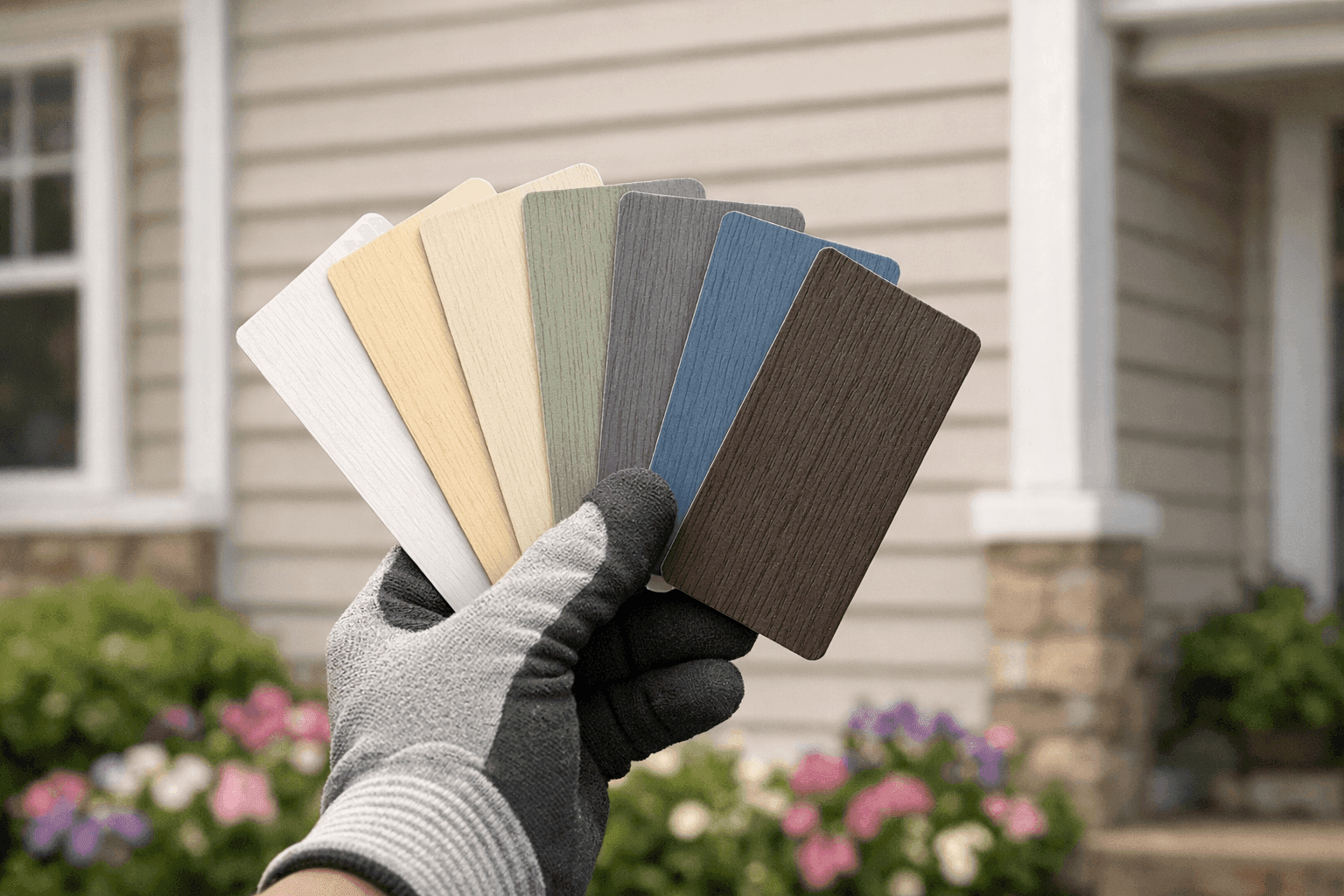
A fresh coat of siding is more than a facelift. It’s your home’s handshake with the neighborhood—a first impression that lingers. But picking the right siding color? That can feel overwhelming.
At Schaefer Exteriors, we guide homeowners through this journey every day. Our hands-on experience means we understand the difference a shade can make, how the wrong hue can feel out of place, and how the right one can lift your home to a new level.
Understanding Color Theory
Color isn’t just a design choice. It changes moods and perceptions. Think of your home as a canvas. The siding color sets the tone, while trim and accents frame the masterpiece.
- Warm colors (like beige, tan, and soft yellow) invite and comfort.
- Cool colors (gray, blue, green) soothe and hint at modernity.
- Neutrals (white, taupe, greige) are timeless, balancing change with tradition.
Color theory also tells us about contrast and harmony. Too much contrast between siding and trim can make your exterior feel busy. Too little, and it falls flat. Professionals use color wheels to find complementary shades, but you don’t need a degree in art to get it right—just a sense of balance.
Popular Siding Colors for Residential Homes 🎨
Some colors just work, year after year. Here are favorites we see customers love:
- Classic White: Clean, sharp, universally appealing.
- Slate Gray: Modern, subtle, works with brick or stone accents.
- Warm Beige: Soft, blends with most landscapes.
- Forest Green: Bold, yet earthy—stands out without shouting.
- Blue Tones: From powder blue to navy, they bring calm and charm.
- Earthy Browns: Cozy, rooted, and blend into wooded lots.
Remember, trends come and go. Some colors (like deep reds or bold oranges) may date quickly. If you want curb appeal that lasts, stick with shades that have stood the test of time.
Matching Siding Color with Trim and Roof
Think of siding, trim, and roof as a trio in perfect harmony. Each plays a role, but none should dominate the melody.
- Coordinate, don’t copy. Choose trim that’s lighter or darker than your siding for crisp edges.
- Roof as anchor. If your roof is dark, lighter siding adds balance. If it’s light, deeper siding colors add depth.
- Mind the undertone. Warm sidings (like almond or sand) pair best with warm trim; cool colors (like gray or blue) with cool trims.
Even gutters, soffits, and fascia matter. A color consultation can help you see the big picture before you commit.
How Lighting Changes Everything
Sunlight is a trickster. A color that looks perfect in the store—or on a little paint chip—may look completely different on your house. Here’s why:
- Morning sun is soft and golden, making colors warmer and lighter.
- Afternoon sun is harsh, exaggerating contrasts and cooling down blues and grays.
- Shade and shadows from trees or porches can mute colors.
Always test siding samples on different sides of your home. Check them at various times of day. What feels right at noon might look washed out at dusk.
Landscaping’s Hidden Impact
Your yard frames your home just as much as trim does. Lush greenery, blooming flowers, or even the color of mulch and stone walkways can affect how siding colors appear.
- Green-heavy landscaping pairs well with neutral or warm sidings.
- Bright flowers can clash with bold siding.
- Dry or rocky yards work well with earth tones.
Imagine your home as the centerpiece in a natural gallery. The right siding color enhances everything around it, not just the house itself.
Timeless Colors vs. Trendy Choices
It’s tempting to chase the “color of the year.” But siding isn’t a throw pillow you can swap out next season. The most timeless choices:
- Blend with the home’s style—Colonial, Craftsman, Modern, etc.
- Complement the architecture, not fight it.
- Still look fresh in ten or twenty years.
If you crave a pop of color, add it with doors, shutters, or flowerbeds—not your main siding. That way, you can refresh your look without a major renovation.
Mistakes to Avoid When Picking Siding Colors 🚫
Choosing siding is a big investment. Here are pitfalls that catch homeowners off guard:
- Ignoring the neighborhood vibe. A neon blue house in a street full of taupes stands out in the wrong way.
- Skipping samples. Always see large swatches outside, not just on a screen or brochure.
- Forgetting about resale. Unique colors might limit your buyer pool down the road.
- Overlooking undertones. That beige might have a pink or green cast you don’t want.
- Not considering your roof color. Roofs last decades—siding should complement them for just as long.
The Role of Siding Color Consultation
Feeling lost in a sea of color chips? That’s where a Siding Color Consultation shines. Professionals break down choices based on your home’s architecture, lighting, and personal taste. They’ll bring real samples, explain pros and cons, and help you see how colors interact with other elements—like trim, roof, and landscaping.
Consulting with siding specialists also ensures you’re up-to-date on any local codes or HOA requirements. No surprises down the road.
Actionable Tips for Selecting Your Siding Color
Ready to narrow it down? Try these steps:
- Drive around your neighborhood. Snap photos of homes you like.
- Collect samples. Tape large pieces to different sides of your house.
- Check colors at morning, noon, and dusk.
- Get input from family or friends. Fresh eyes catch details you might miss.
- Ask about maintenance. Some colors show dirt or fading more than others.
Selecting siding is part art, part science. A little patience goes a long way.
When Is It Time to Call in the Pros?
DIY color selection is possible, but professional consultation makes a difference when:
- You have a unique architectural style.
- Your home sits in heavy shade or sun.
- Multiple exterior materials (brick, stone, wood) are involved.
- You want to boost resale value.
A seasoned Siding Consultation can save you from costly mistakes and regrets.
Siding and Curb Appeal: The Realtor’s Perspective
According to the National Association of Realtors, siding replacement is one of the top exterior projects for adding value. A fresh, well-chosen color can boost your home’s curb appeal more than new landscaping or a fancy front door.
But realtors agree: neutral, classic colors have the broadest appeal. They suggest steering clear of colors that are too bold or polarizing.
The Importance of Local Building Codes and HOA Guidelines
Before you fall in love with a color, double-check your neighborhood’s rules. Many HOAs restrict siding colors to a pre-approved palette. Local building codes may also require certain materials or finishes for safety and fire resistance.
Ignoring these rules can mean costly do-overs. Your siding contractor should always confirm compliance before installation begins.
How Siding Color Affects Maintenance
Not all colors age the same. Darker shades absorb more heat, which can speed up fading—especially in sunny climates. Some colors highlight dirt, mildew, or chalking more than others.
Ask your installer about:
- Fade-resistant siding options
- Proper cleaning and care
- Manufacturer color warranties
A little extra planning now saves you time and headaches later.
DIY vs. Professional Siding Color Selection
Sure, you can go it alone. But professionals bring:
- Years of experience with color, light, and materials
- Access to high-quality samples
- Guidance around code, warranty, and installation factors
Sometimes, an hour with a pro saves weeks of indecision.
Timeline: From Color Choice to Finished Siding
Here’s what to expect:
- Color consultation and selection (1-2 weeks)
- Ordering materials (2-4 weeks, depending on stock)
- Scheduling installation (1-3 weeks)
- Actual installation (usually a few days)
Delays can happen—especially if you change your mind! Plan ahead if you want your project finished by a certain season.
Frequently Asked Questions
How often should siding color be updated?
Most quality siding lasts 20-40 years. But you might repaint or replace it sooner to keep up with style or maintenance needs.
Will my chosen color look different once installed?
Almost always! That’s why testing samples on your actual home is essential.
Can I paint existing siding?
Some materials, like fiber cement or wood, can be repainted. Vinyl is trickier and may require special products.
For more on local trends and best practices, check our siding company page for Dayton-area homeowners.
Your home deserves to look its best—now and for years to come. For a confident choice and smooth process, trust the team at Schaefer Exteriors.
Call Schaefer Exteriors now — or reach us anytime at 877-331-5875 .