Fiber Cement Siding: Pros, Cons, and Installation Guide
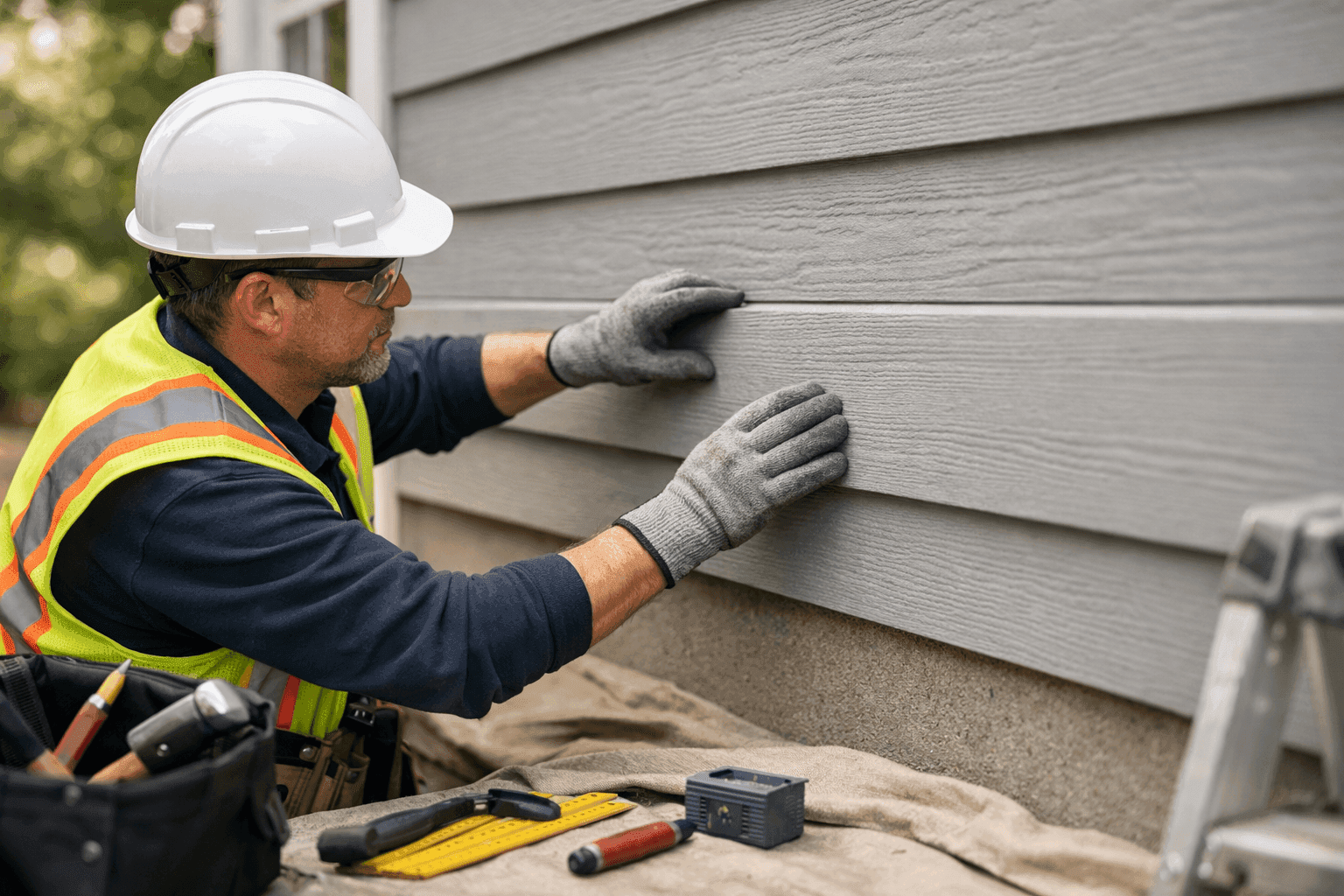
Modern homes deserve more than just a pretty face. The right siding can mean the difference between endless repairs and years of worry-free living. But which material truly stands up to the test of weather, time, and style?
At Schaefer Exteriors, we've helped families protect their homes from the ground up. If you're weighing your options or just heard about fiber cement siding, you're in the right place. Let's dig deep into what this material offers—and what it means for your home.
What Is Fiber Cement Siding? 🏡
Fiber cement siding blends cement, sand, and cellulose fibers into a sturdy plank or panel. Once shaped and cured, it takes on a wood-like appearance—or a smooth, modern look, depending on your taste.
Think of it as armor for your home's exterior. Unlike wood that can warp or rot, fiber cement stands strong against most threats. It’s available in many colors and textures, making it a favorite for both new builds and classic renovations.
Homeowners often ask: is fiber cement really that different from vinyl, wood, or metal siding? In one word—yes. Its unique mix of durability and design flexibility puts it in a class of its own.
The Pros of Fiber Cement Siding
What makes fiber cement so appealing to families and builders alike? Here’s a closer look:
- Fire resistance: Unlike wood, fiber cement won’t ignite or contribute to flames. That’s peace of mind.
- Weather resilience: Rain, snow, wind, and sun—fiber cement can take a beating and still look sharp.
- Pest protection: Termites, carpenter ants, and woodpeckers tend to move along when they encounter it.
- Versatile looks: Love the look of cedar or bold paint colors? Fiber cement can mimic both—without the upkeep.
- Low expansion/contraction: It doesn’t flex much with temperature changes, so paint and caulking last longer.
The Cons: What Homeowners Should Know
No siding is perfect. Fiber cement, while tough, does have a few drawbacks:
- Upfront cost: It’s pricier than vinyl or basic wood, though often less than stone or brick.
- Installation weight: These panels are heavy. They require careful handling and often a crew to install safely.
- Periodic painting: Though paint lasts longer on fiber cement, it eventually needs a fresh coat—usually every 10-15 years.
- Special tools needed: Cutting and installing fiber cement calls for dust control and protective gear. Not every contractor is up to the task.
Balancing the pros and cons comes down to your priorities—long-term value, style, and how much maintenance you’re willing to handle.
Installation Process: Step by Step
A smooth installation starts with the right plan. Here’s what you can expect when working with a certified fiber cement siding installation crew:
1. Inspection and Prep
Before anything goes up, old siding and trim are inspected. Signs of rot, mold, or damage? These need addressing first. The wall surface is cleaned and made flat—think of it as resetting the canvas.
2. Weatherproofing
A high-quality moisture barrier is applied to keep out wind and rain. Flashing is double-checked around windows and doors. Fiber cement works best when paired with tight-sealed weather protection.
3. Measuring and Cutting
Panels are measured to fit each wall. Specialized saws minimize dust and ensure clean edges. Workers wear respirators—safety is non-negotiable, as recommended by OSHA guidelines.
4. Hanging the Panels
Each piece is securely fastened, with careful attention to alignment. Joints are staggered for strength and looks. Gaps are sealed with flexible caulk to keep moisture out.
5. Trim and Finish
Corners, windows, and doors get custom trim for a polished look. Nail holes are filled; caulking is checked one last time.
6. Painting or Staining
Some fiber cement comes prefinished. Others are painted onsite, which allows for total customization—perfect for those who want a specific color or finish.
Maintenance Tips for Long-Lasting Performance 🧹
Fiber cement siding is low-maintenance, but “low” doesn’t mean “none.” Here’s how to keep it looking sharp:
- Wash annually: A garden hose and soft brush remove dirt, pollen, and mildew. Avoid pressure washers—they can force water behind the panels.
- Inspect caulking: Every few years, check for gaps or cracks. Touch up as needed.
- Paint when needed: Most homes only need repainting every 10-15 years, but check south-facing walls for early fading.
- Clear gutters and downspouts: Prevent water from pooling near your siding or foundation.
- Trim shrubs: Keep plants away from the house to allow airflow and prevent moisture buildup.
Following these steps can extend your siding’s lifespan and keep it looking fresh.
Comparing Fiber Cement to Other Materials
How does fiber cement stack up against the competition? Here’s what you should know:
Vinyl Siding
- Cost: Vinyl is usually cheaper upfront.
- Maintenance: It never needs painting, but can crack in cold weather.
- Durability: Less impact-resistant than fiber cement.
Wood Siding
- Beauty: Natural wood is hard to beat for charm.
- Upkeep: Needs frequent painting or staining, plus vigilance for pests.
- Longevity: Prone to rot without diligent care.
Stucco Siding
- Insulation: Offers good energy efficiency.
- Cracking: May develop hairline cracks, especially in climates with freeze-thaw cycles.
- Repair: Can be labor-intensive.
Metal Siding
- Strength: Great for resisting hail and fire.
- Noise: Rain or hail sounds louder.
- Corrosion: Needs proper installation to avoid rust.
Fiber cement often lands in the sweet spot—durable, versatile, and relatively easy to maintain without the headaches of wood or the plastic look of vinyl.
Addressing Durability, Cost, and Style Concerns
Homeowners often ask: will fiber cement siding last? Is the investment worth it? Here’s some perspective:
- Durability: Expect 30-50 years with recommended care. James Hardie, a leading manufacturer, often provides warranties up to 30 years.
- Cost: Upfront, it’s more than vinyl but less than stone. Over time, lower maintenance and fewer repairs can close the gap.
- Style: From classic lap to shingle or board-and-batten, fiber cement suits both historic homes and sleek, modern builds. Siding Color Consultation near you can help narrow the perfect palette.
Safety Checklist Before Installation 🦺
- Confirm your installation team is certified for fiber cement products.
- Ask about dust control—cutting fiber cement releases silica dust; OSHA-approved respirators are a must.
- Request a copy of the manufacturer’s warranty and care instructions.
- Ensure all prep work (rot repair, flashing, insulation) is addressed before panels go up.
DIY or Call a Pro?
Fiber cement siding isn’t a weekend project. Its weight, dust, and need for precision call for a professional touch. Mistakes can void warranties or lead to costly repairs. That’s why Schaefer Exteriors recommends working with siding specialists who follow the latest installation standards and local building codes.
What the Pros Do On Arrival
Expect clear communication. The crew will:
- Lay down tarps and protect landscaping.
- Review the work plan with you.
- Double-check product deliveries for accuracy.
- Keep the site tidy and safe throughout the process.
Common Mistakes to Avoid
- Skipping moisture barriers—leads to hidden water damage.
- Using the wrong fasteners—can cause siding to crack.
- Failing to stagger joints—weakens the look and structure.
- Ignoring manufacturer instructions—may void your warranty.
Timeline and What to Expect
Most fiber cement siding projects take 1-2 weeks, depending on home size and weather. There will be noise and some disruption, but a good crew keeps things organized and cleans up daily.
Emergency Repairs and Storm Damage
Fiber cement holds up well in storms, but accidents happen. If you notice cracks or damage after a storm, Schaefer Exteriors offers fast siding replacement to restore your home’s protection.
Seasonal Considerations
Spring and fall are popular times for siding replacement, thanks to milder weather. But with professional planning, installation can happen nearly any time of year—just avoid extreme heat or freezing temps if possible.
When to Schedule a Siding Inspection
If your siding is over 20 years old, showing signs of wear, or you’re planning to sell, a siding inspection is a smart move. Small issues caught early can prevent bigger headaches down the line.
Frequently Asked Questions
How long does fiber cement siding last?
With regular upkeep, 30-50 years is common.
Does it fade?
Painted siding will fade over time, especially on sunny sides. Repainting every 10-15 years keeps it looking sharp.
Is fiber cement siding good for all climates?
Yes—it's engineered to withstand everything from freezing winters to hot, humid summers.
Can I change the color later?
Absolutely. Fiber cement can be repainted as tastes change or trends shift.
Why Choose Schaefer Exteriors for Fiber Cement Siding?
We’ve built our reputation on meticulous work and clear communication. Our crews are certified, follow all safety guidelines, and use only manufacturer-approved materials. Whether you need color consultation, siding replacement, or a full new build, we’re here to help.
If you’re looking for a reliable siding company in Portland, we’re just a call away.
Call Schaefer Exteriors now — or reach us anytime at 877-331-5875 .