The Ultimate Guide to Siding for Homeowners
Every home tells a story, and siding is the cover that keeps yours safe, dry, and looking its best. But making the right siding choice can feel overwhelming—like standing in a hardware store surrounded by endless paint chips, textures, and promises. You want a solution that fits your style, budget, and local climate. That’s where Schaefer Exteriors comes in—helping homeowners navigate a world of options, from initial Siding Color Consultation near you to long-term siding maintenance and repairs.
Whether you’re building new, updating the look, or recovering from storm damage, understanding siding isn’t just about curb appeal. It’s about protection, efficiency, and peace of mind.
Why Siding Matters: Beyond First Impressions
Siding isn’t just a “skin” for your house. It’s a shield. It stands between your family and the elements—wind, rain, sun, pests, and time itself. Think of it like the armor on a knight: the right material can fend off more than just one kind of attack.
Quality siding also helps insulate your home, keeping energy bills under control and your indoor spaces comfortable year-round. And, of course, it’s the first thing neighbors and guests notice, setting the tone for your entire property.
The Main Types of Siding Materials (And How to Choose)
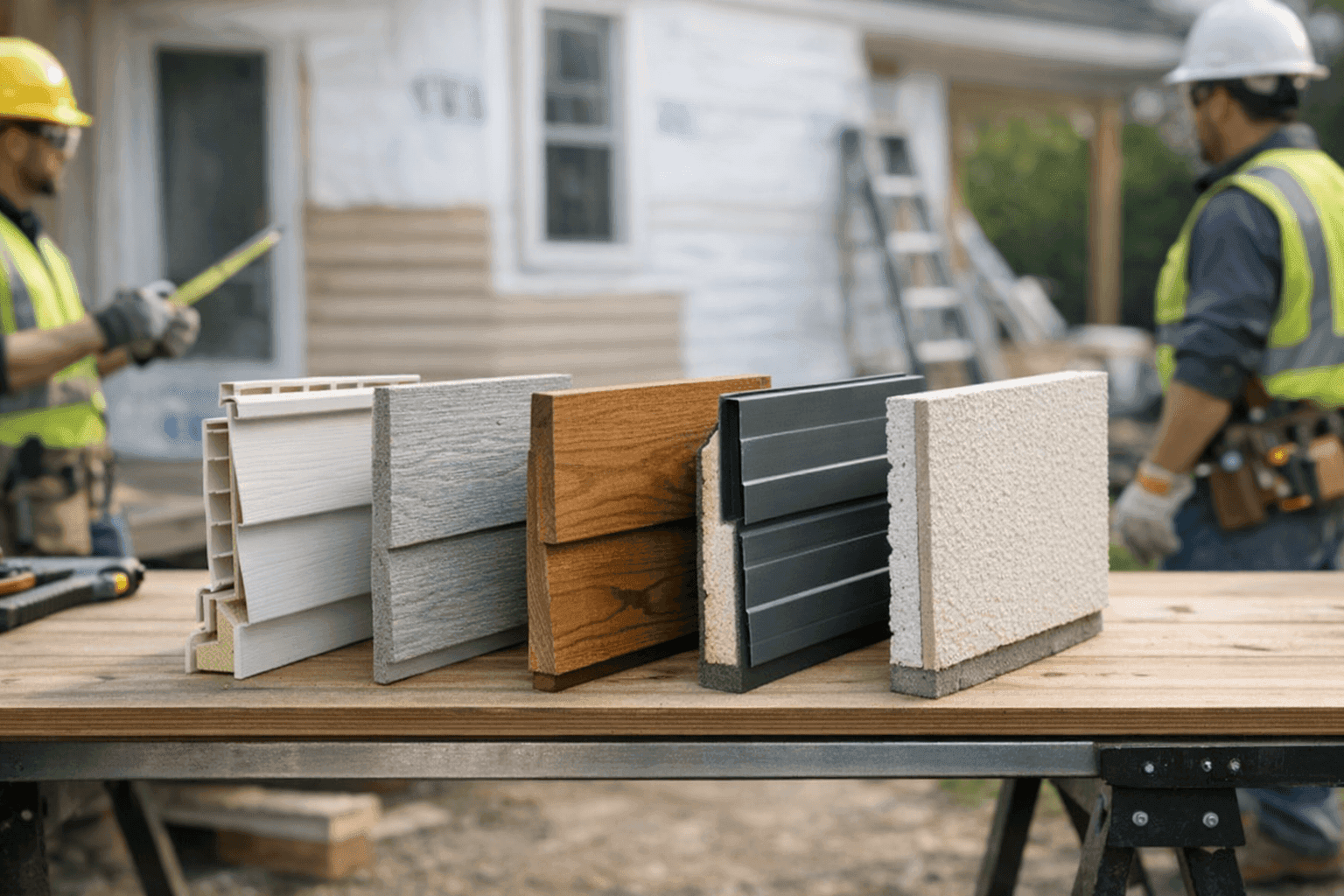
Let’s break down the most popular siding options for homes today, with an honest look at their strengths, drawbacks, and what life with each one is really like.
Vinyl Siding: Affordable, Adaptable, and Low-Maintenance 🎨
What it is: Vinyl siding is a plastic-based product that’s become a staple for American homes.
Pros:
- Budget-friendly up front
- Huge range of colors and styles
- Won’t peel, chip, or need painting
- Resistant to rot and insects
Cons:
- Can crack or warp in extreme heat or cold
- Not as impact-resistant (think: hail or stray baseballs)
- Color may fade over many years
Maintenance Needs: Just a simple wash with soap and water every season or two. Watch for cracks or loose panels after storms.
Fiber Cement Siding: Tough as Nails, Timeless Appeal
What it is: Made from a mix of cement, sand, and cellulose fibers, fiber cement siding brings the look of wood with much less fuss.
Pros:
- Resists fire, rot, and insects
- Handles harsh weather well
- Can mimic wood, stucco, or masonry
- Holds paint longer than wood
Cons:
- Heavier (needs pro installation)
- Can be pricier than vinyl or wood
- Needs to be painted eventually
Maintenance Needs: Inspect caulking and paint every few years. Clean with a garden hose—no pressure washers.
Wood Siding: Classic Warmth and Natural Beauty 🌲
What it is: Cedar, pine, redwood, or engineered wood boards/shingles that give homes a rich, traditional look.
Pros:
- Unmatched charm and character
- Can be stained or painted any color
- Renewable, eco-friendly options
Cons:
- Needs regular sealing/painting
- Vulnerable to rot, pests, and fire
- Higher long-term maintenance costs
Maintenance Needs: Annual inspections for rot, repainting or staining every 3–7 years (depending on exposure), and prompt repair of damaged areas.
Metal Siding: Modern, Strong, and Nearly Indestructible
What it is: Aluminum or steel panels often found on contemporary or industrial-style homes.
Pros:
- Resists fire, pests, and extreme weather
- Recyclable and eco-friendly
- Long lifespan with little fading
Cons:
- Can dent (hail, branches)
- Prone to scratching and corrosion if finish is damaged
- Limited color options compared to vinyl
Maintenance Needs: Hose off dirt annually. Check for dents or scratched paint and touch up as needed.
Stucco Siding: Textured, Durable, and Energy-Smart 🏡
What it is: A cement-based plaster system applied over a mesh or board—popular in dry, warm climates.
Pros:
- Seamless, unique finish
- Excellent fire resistance
- Great insulator in the right climate
Cons:
- Not ideal for wet or freeze/thaw regions
- Prone to cracking if foundation shifts
- Professional installation only
Maintenance Needs: Inspect for cracks, seal every few years, and keep gutters clean to avoid water infiltration.
Comparing Siding Materials: What’s Right for Your Home?
Choosing siding is a little like picking out a winter coat. You want warmth, durability, and style—but you also need to think about how much care it’ll need and whether it fits your daily life.
Consider:
- Climate: Fiber cement and metal shine in harsh weather; stucco loves the heat.
- Budget: Vinyl is affordable, while wood and fiber cement cost more up front.
- Style: Wood and fiber cement offer classic looks; metal and stucco are bold and modern.
- Effort: Vinyl and metal are easy to care for. Wood needs more TLC.
When in doubt, book a Siding Material Consultation to get tailored advice for your home’s needs.
How Much Does New Siding Cost? Budgeting Basics
Siding isn’t just about the material. Labor, prep, and even your home’s shape all play a role in the final price tag.
Key cost factors:
- Material type: Vinyl is the most budget-friendly, followed by fiber cement, wood, and then metal or custom options.
- Home size/shape: More corners, windows, and stories mean more work (and cost).
- Prep work: Removing old siding, repairing damage, or adding insulation can affect price.
- Design details: Fancy trim, unique colors, or custom shapes will add to the bill.
On average, expect to pay:
- Vinyl: $3–$7 per square foot (installed)
- Fiber cement: $5–$10 per square foot
- Wood: $6–$12 per square foot
- Metal: $7–$15 per square foot
- Stucco: $8–$16 per square foot
Always ask for a detailed estimate. And remember, investing in quality siding can boost your home’s value for years.
Siding Installation: What to Expect
Wondering what the process actually looks like? Here’s a quick walk-through:
- Home assessment: Inspection of existing siding, moisture issues, and underlying structure.
- Material selection: Guided by your style, budget, and climate.
- Preparation: Old siding removed (if needed); repairs made to sheathing or insulation.
- Installation: Each panel or board carefully placed, trimmed, and sealed.
- Finishing touches: Trim, soffit, fascia, and caulking to keep everything tight.
The whole process can take anywhere from a few days to a couple of weeks, depending on your home’s size and complexity.
Upkeep and Maintenance: How to Make Siding Last
Siding is an investment. Like any investment, a little care goes a long way.
General tips:
- Rinse off dirt and debris with a gentle hose spray.
- Inspect annually for cracks, warping, or loose boards.
- Keep shrubs trimmed back so moisture and pests stay away.
- Touch up paint or stain as needed (especially with wood and fiber cement).
For safety guidelines, consult resources like the International Residential Code (IRC) for exterior wall coverings and always follow manufacturer maintenance recommendations.
Signs Your Siding Needs Attention (Don’t Ignore These!)
Sometimes siding quietly signals for help. Don’t let small problems grow into costly headaches.
Look for:
- Peeling paint or bubbling finish
- Soft spots or visible rot
- Warped, cracked, or missing panels
- Mold, mildew, or water stains
- Higher energy bills (a sign of insulation gaps)
If you spot any of these, schedule a Siding Consultation to catch issues early.
Weather Woes: Siding and Storm Damage
From hailstorms to heavy winds, siding takes a beating. After major weather events, do a walk-around:
- Check for loose or missing pieces
- Note any dents (especially on metal)
- Look for cracks or holes
- Inspect caulking and trim
Quick repairs can prevent water damage and keep your warranty valid. If you need emergency help, Schaefer Exteriors offers rapid response for storm damage and urgent repairs.
Siding and Energy Efficiency: More Than Meets the Eye
Siding isn’t just about looks. Properly installed siding with tight seams, weatherproof flashing, and quality insulation can cut down on drafts and keep your HVAC system from working overtime.
Ask about energy-efficient options, like insulated vinyl or siding systems with built-in barriers, to boost comfort and shrink those utility bills.
Siding Color Consultation: Choosing the Perfect Hue
Color is powerful. The right shade makes your home stand out—or helps it blend in with the landscape. Siding Color Consultation near you can help you:
- Match existing trim or roofing
- Boost resale value with timeless colors
- Avoid trendy hues that may fade or fall out of fashion
Consider your neighborhood, your landscaping, and how much sun your home gets. Dark colors may fade faster; lighter tones can reflect heat.
DIY Siding Fixes vs. Calling a Pro
Some repairs are like patching a pair of jeans—easy with a little know-how. Others, not so much. Quick fixes:
- Tighten a loose panel
- Re-caulk a small gap
Call in the pros for:
- Large areas of rot or water damage
- Major cracks or warping
- Mold, mildew, or insulation issues
A professional siding company can spot hidden problems and keep your home protected for the long haul.
Common Siding Mistakes (And How to Dodge Them)
- Skipping annual inspections
- Ignoring small cracks or chips
- Power-washing delicate surfaces (which can force water underneath)
- Painting over mold or rot
- Choosing the wrong material for your climate
Avoiding these mistakes can save you thousands in future repairs.
Frequently Asked Questions
How often should siding be replaced?
Most materials last 20–40 years, but climate and care matter. Inspect annually.
Can I mix siding types on my home?
Absolutely! Many homeowners use fiber cement on the main walls and wood or stone as accents.
Is siding installation noisy or disruptive?
There will be some noise and dust, but a good contractor keeps it tidy and works quickly.
Do I need permits for new siding?
Usually, yes—local building codes apply. Your contractor should handle this.
Seasonal Siding Tips: Weather the Year Like a Pro
- Spring: Rinse off winter grime, check for storm damage.
- Summer: Inspect paint and caulking before heat waves.
- Fall: Clear gutters and downspouts, trim back foliage.
- Winter: Watch for ice dams and snow buildup near siding.
Stay ahead of the game and your siding will thank you.
Ready to Take the Next Step?
Your home is unique—and so are your siding needs. Whether you’re planning a full makeover, a quick repair, or just want to explore your options, Schaefer Exteriors is here to help. If you’re in the area, check out our Residential Siding services for more details and inspiration.
Call Schaefer Exteriors now — or reach us anytime at 877-331-5875 .