Why Siding Ventilation Matters for Your Home
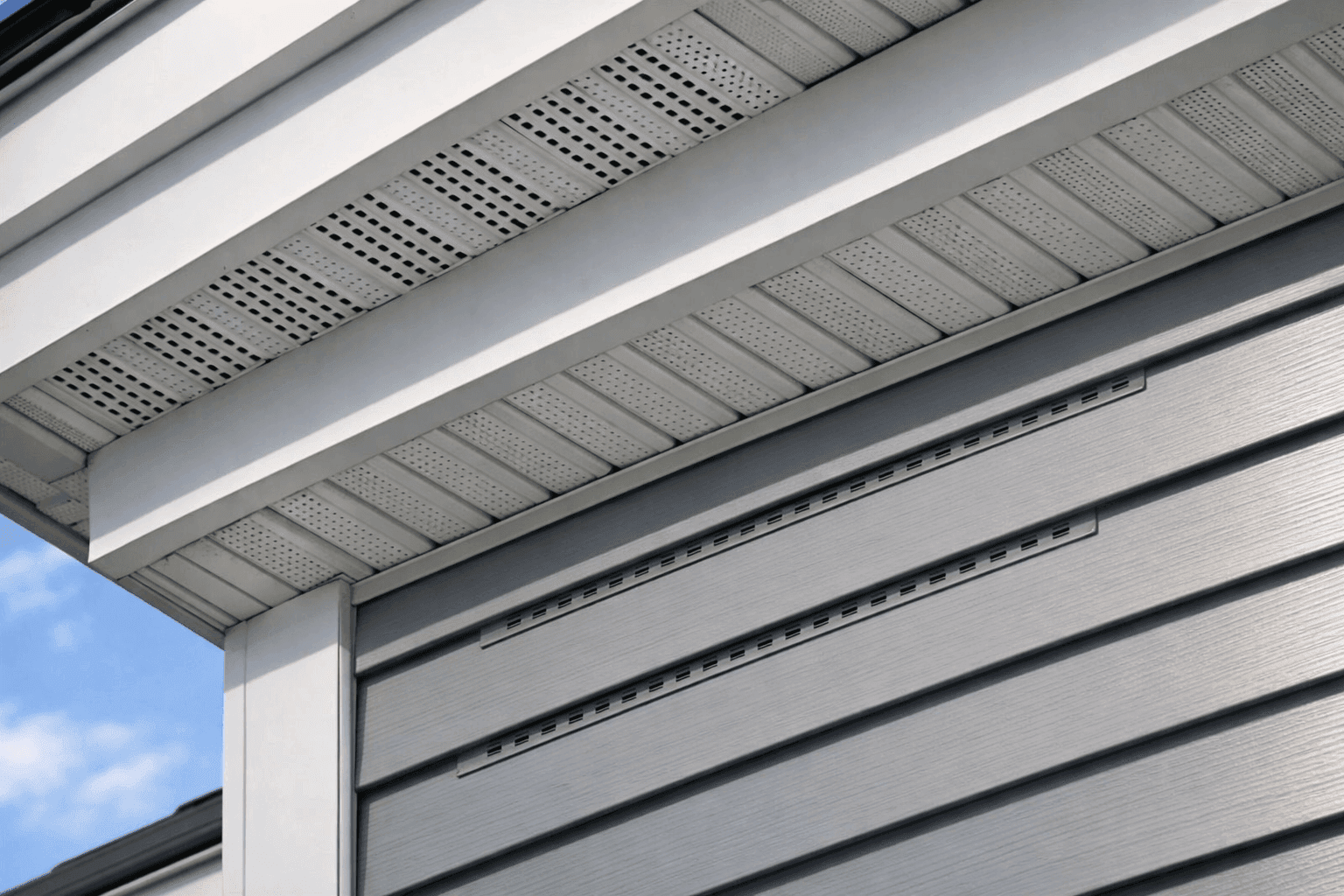
Is your home’s siding silently fighting a losing battle with moisture? Most homeowners never think about siding ventilation—until there’s a problem. At Schaefer Exteriors, we’ve seen how something as simple as airflow makes all the difference between a house that lasts and one that struggles with costly repairs.
Think of your siding as your home’s raincoat. It keeps the elements out, but without a way to breathe, even the best coat traps sweat inside. That’s where siding ventilation comes in.
Siding Ventilation: More Than Just a Breeze
Airflow behind your siding is a quiet hero. It lets your home shed off water vapor, preventing rot, mold, and warped boards. Without proper ventilation, moisture seeps in, and your home’s “skin” can start to break down from the inside out.
Why Moisture Is the Enemy
Moisture is sneaky. It can work its way in through the tiniest cracks or gaps. Once trapped behind siding, it becomes a breeding ground for mold, mildew, and even wood rot. Over time, you might notice musty smells, peeling paint, or warped planks—clear signs of trouble.
Common Signs of Poor Siding Ventilation
Watch for these red flags:
- Persistent dampness or mildew near walls.
- Paint that bubbles, blisters, or peels—especially near the base of exterior walls.
- Siding panels that look warped, buckled, or loose.
- Unexplained spikes in heating or cooling bills.
- Musty odors indoors, even after cleaning.
If any of these sound familiar, your siding may be gasping for air.
How Modern Siding Systems Keep Your Home Dry
Today’s siding systems are designed to let your home breathe. Features like vented soffits, rainscreens, and breathable wraps allow air to circulate behind the siding. This continuous airflow acts like a chimney, whisking away moisture before it settles in.
At Schaefer Exteriors, our Siding Ventilation Solutions combine code-compliant materials with smart installation, so your home stays dry and healthy year-round.
The Science Behind Siding Ventilation
Siding ventilation works like opening a window on a steamy day. Warm, moist air rises and escapes through top vents (like in soffits or ridges), while cooler, dryer air is drawn in below. This cycle reduces condensation and keeps hidden surfaces dry.
Building codes—including the International Residential Code (IRC)—recognize the importance of siding ventilation and require specific venting for eaves and attics. Ignoring these standards risks not just your home’s health, but your siding manufacturer’s warranty as well.
The Healthier Home Advantage
A well-ventilated siding system protects more than your walls. It shields your family from mold spores and allergens that thrive in damp, dark places. Healthy airflow also helps preserve insulation, so your home stays warmer in winter and cooler in summer.
Energy Efficiency Starts Outside
Trapped moisture can flatten your insulation—making your HVAC system work twice as hard. Good siding ventilation preserves your home’s energy envelope, reducing both your carbon footprint and your monthly bills.
What Happens If You Ignore It?
Letting moisture build up behind siding is like letting a slow leak drip under your kitchen sink. Damage builds steadily, then suddenly. You might face:
- Rotten wood framing
- Mold remediation expenses
- Complete siding replacement
- Voided warranties
Early action is always less expensive than a major overhaul.
Quick Safety Checklist: Is Your Siding Breathing?
- Do you have soffit or ridge vents?
- Can you spot water stains or peeling paint?
- Are your gutters and downspouts clear and functioning?
- Has your siding ever been professionally inspected?
If you’re unsure about any of these, a Siding Inspection could be the smartest next step.
DIY or Call in a Pro?
Homeowners can do a lot—like keeping gutters clean and checking for obvious blockages. But diagnosing airflow issues behind siding is tricky. It often means lifting panels or looking inside wall cavities. That’s where a pro comes in.
Our team at Schaefer Exteriors uses advanced moisture meters and thermal imaging to spot trouble before it spreads.
What We Do When We Arrive
When you call us for siding ventilation concerns, here’s a peek at our process:
- Walk the exterior for visible signs of moisture or mold.
- Use specialized tools to check for hidden dampness.
- Inspect vents, soffits, and flashing for blockages or gaps.
- Recommend the right blend of repairs or upgrades, from additional venting to full system overhauls.
Retrofitting Older Homes: Pro Tips 🛠️
Older homes weren’t always built with ventilation in mind. But there are ways to help them “breathe” better:
- Add vented soffits or roofline vents.
- Use rainscreen products behind new siding installations.
- Seal and caulk joints—but never trap water inside.
- If replacing siding, select breathable underlayments that meet modern codes.
Thinking of upgrading? Ask about “Siding Color Consultation near you” to keep curb appeal and performance working together.
How Much Does It Cost?
The cost depends on your home’s age, materials, and current airflow. Simple fixes—like clearing blockages or adding vents—are affordable. Full system upgrades or repairs are bigger investments, but they save thousands in the long run by protecting your home.
When It’s an Emergency 🚨
Sudden leaks, visible mold, or warped panels after a storm? That’s when siding ventilation goes from a nice-to-have to a must-fix-now. Call us for Emergency Siding Services if you spot sudden changes.
Siding Ventilation and Your Warranty
Most siding manufacturers require proper ventilation as a condition of their product warranties. Failing to meet these standards can void your coverage—leaving you on the hook for repairs.
We install siding systems that align with warranty requirements and building codes, giving you confidence for years to come.
Staying Ahead: Siding Maintenance and Seasonal Tips
- Inspect siding and vents each spring and fall.
- Keep trees and shrubs trimmed away from your siding.
- Address gutter clogs quickly to prevent overflow onto siding.
- Schedule periodic professional siding maintenance, especially before winter and storm season.
Frequently Asked Questions
Q: Can all siding materials be ventilated?
A: Yes, but the method depends on the material—fiber cement, vinyl, wood, and stucco all have different best practices for airflow.
Q: I live in a humid climate—do I need more ventilation?
A: Absolutely. High humidity means more trapped moisture. Proper ventilation is doubly important.
Q: Will better ventilation change how my home looks?
A: Modern venting solutions are subtle and blend with your home’s appearance. Our Siding Color Consultation helps you match function with style.
Why Schaefer Exteriors?
We’ve helped homeowners across the region with everything from Siding Ventilation Solutions to full Siding Weatherproofing. Our approach is rooted in best practices, building codes, and a commitment to your home’s long-term health.
Ready to give your home the breath of fresh air it deserves?
Call Schaefer Exteriors now — or reach us anytime at 877-331-5875 .