Why Siding Ventilation Matters: Preventing Mold and Moisture
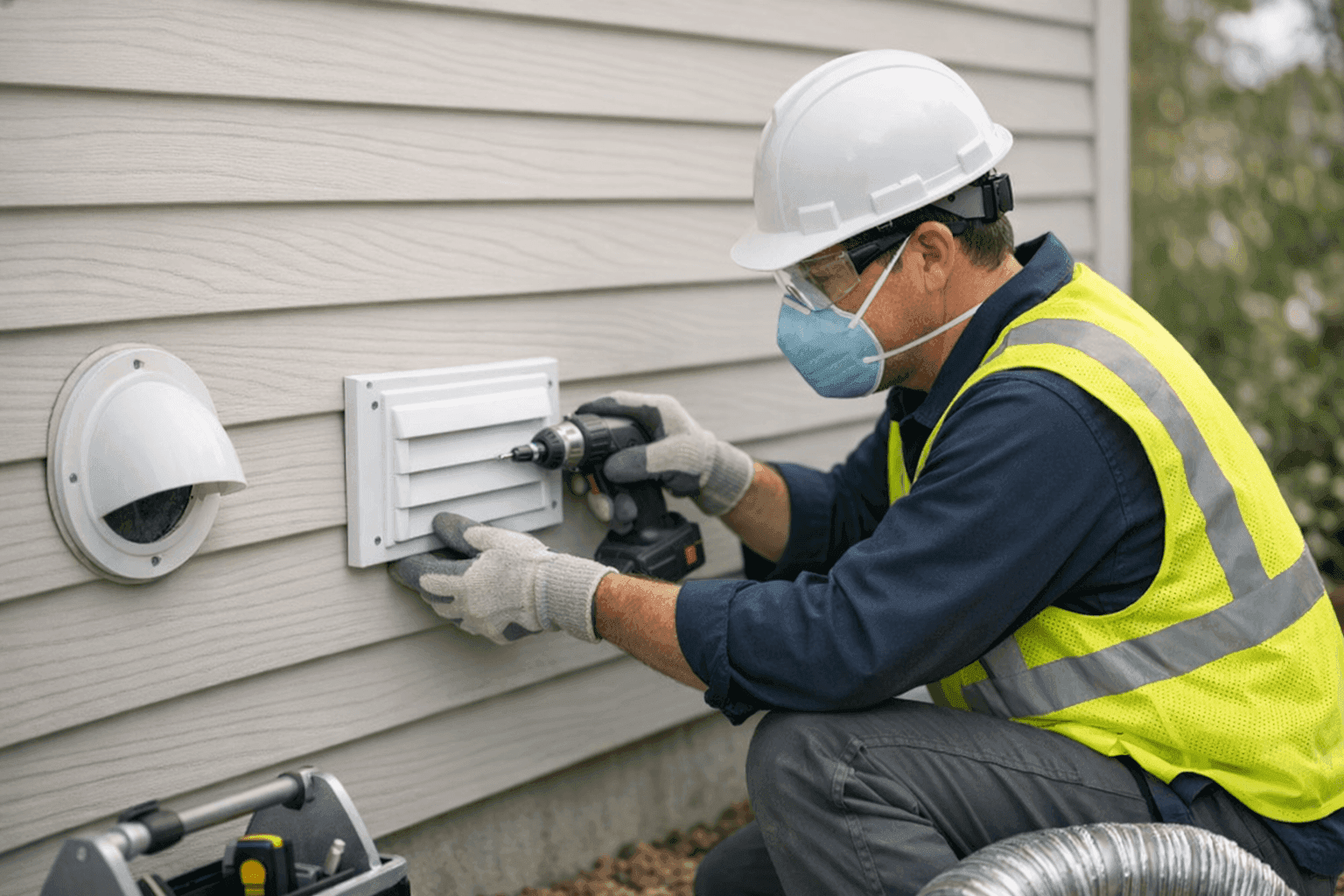
It’s easy to forget what’s happening behind your home’s walls. Out of sight, out of mind—until you catch a musty whiff or spot that dreaded bubble of paint. At Schaefer Exteriors, we know the silent damage moisture can cause. It’s like a slow leak in a boat: subtle at first, but relentless if ignored.
Let’s pull back the curtain on siding ventilation. By the end, you’ll know how to keep your home dry, healthy, and looking its best.
How Ventilation Works
Think of your home as a living system. Like lungs, it needs to breathe. Siding ventilation lets trapped moisture out and lets fresh air in, keeping everything underneath your siding dry.
Proper ventilation works by creating channels for air to move behind your siding. These hidden breezeways help moisture escape instead of sitting and festering. Without them? You’re just asking for trouble.
- Airflow reduces humidity
- Helps insulation stay dry and effective
- Prevents rot, mold, and mildew from taking hold
The International Residential Code (IRC) highlights the importance of ventilating concealed wall spaces. Good ventilation is more than a luxury—it’s a code-compliant necessity.
Risks of Poor Ventilation 😬
Neglecting airflow behind your siding is like closing all the windows in a steamy bathroom. Problems build up fast:
- Mold and mildew: These thrive in damp, stagnant air.
- Rot: Wood framing and sheathing can literally dissolve.
- Peeling paint and warping: Moisture pushes out, ruining the look of your siding.
- Energy waste: Wet insulation doesn’t insulate. Your energy bills can spike.
And worst of all? Damage often hides until it’s expensive to fix. Insurance companies may not cover neglect-related issues.
Signs of Moisture Problems
Not sure if your home’s siding is struggling? Watch for these warning signs:
- Musty odors near walls or windows
- Bubbling or peeling paint
- Warped or buckling siding panels
- Visible mildew or dark streaks
- Paint that never seems to dry fully
- Spongy or soft spots on exterior walls
Even a faint smell or small patch can be the tip of the iceberg. Early action saves money and stress.
Ventilation Solutions
There’s no one-size-fits-all fix. At Schaefer Exteriors, we tailor siding ventilation solutions to fit your home’s unique layout and climate.
Common approaches include:
- Installing vented soffits
- Using rainscreen systems with built-in air gaps
- Adding weep holes along the bottom of siding
- Replacing solid trim with vented options
For older homes, retrofitting can be tricky—but it’s possible. The right approach depends on your siding material, home age, and local weather.
For best results, pair ventilation with siding-weatherproofing. Together, they form a shield against moisture.
Why Moisture Loves Siding
Moisture is sneaky. It seeps in during heavy rain, clings to siding after storms, and sneaks through cracks. Even condensation from inside a home can get trapped.
Fiber cement, vinyl, wood, and metal all have different strengths—but none are immune to trapped moisture.
The real enemy? Gaps in airflow. That’s where problems start.
Prevention Tips for Homeowners
Stay steps ahead with these practical habits:
- Inspect siding every season. Look for cracks, loose panels, and clogged vents.
- Keep gutters and downspouts clear. Clogged gutters send water straight down your walls.
- Trim back plants. Shrubs and vines trap moisture against siding.
- Check attic and crawlspace vents. These areas need fresh air too.
- Don’t ignore small leaks. Small drips can cause big headaches over time.
A little attention goes a long way.
Quick Safety Checklist
Before you grab a ladder, pause. Safety first.
- Wear gloves and safety glasses when inspecting siding
- Use a sturdy ladder on level ground
- Never poke at suspected mold or rot with bare hands
- Don’t attempt electrical work near siding—leave that to licensed pros
If you spot major issues, it’s time to call a siding professional.
DIY vs. Call a Pro
Some maintenance is safe for handy homeowners. Cleaning vents, clearing gutters, and visual inspections can be DIY.
But installing new vents, replacing siding, or tackling hidden mold? That’s best left to trained siding specialists who know building codes and safe practices.
DIY mistakes can invite water damage—or worse, compromise your home’s structure.
What Pros Do On Arrival
When you call Schaefer Exteriors, here’s what our team does:
- Full siding inspection, inside and out
- Moisture meter readings in suspect areas
- Check soffits, trim, and weep holes for airflow
- Recommend tailored siding-ventilation-solutions
- Offer honest feedback and a clear plan—no upsell, just what’s needed
Our crews follow strict safety guidelines and use high-quality materials.
Siding Materials and Ventilation
Each siding type needs a different approach:
- Vinyl: Needs gaps for expansion and airflow
- Fiber cement: Best with rainscreen or furring strips
- Wood: Requires meticulous sealing and venting
- Metal: Seams and overlaps must allow for moisture escape
We help you choose the right materials and methods—ask about Siding Color Consultation near you.
Costs & Time Factors
Worried about price or disruption? Most ventilation upgrades are affordable compared to the cost of repairing rot or mold.
- Minor vent installs: often done in a day
- Major retrofits: may take a few days, depending on home size and siding type
Investing in ventilation saves thousands down the line. It’s like putting on a raincoat before the storm, not after you’re soaked.
When It’s an Emergency
If you see active leaks, black mold, or widespread siding warping—don’t wait. These issues can quickly spread to framing and insulation.
Emergency siding services are available for urgent repairs. Protect your home and health.
Seasonal Considerations 🍂
Spring and fall are perfect times for siding checkups. Rain, snow, and humid summers all test your home’s defenses.
- After storms, check for new leaks or damage
- Before winter, confirm vents are clear and trim is sealed tight
Consistent care keeps small problems from growing.
Common Mistakes to Avoid
- Blocking vents with insulation or caulk
- Painting over mold without cleaning it first
- Using the wrong siding type for your climate
- Waiting until mold is visible to take action
A quick call to your local siding contractor can prevent these costly errors.
Timeline & Disruption
Most ventilation work is minimally invasive. You can often stay home during repairs. Our crews clean up thoroughly and respect your space.
For larger jobs, we’ll outline a clear timeline—no surprises.
Professional Assessment
Not sure where to start? Schedule a professional siding inspection. The right assessment pinpoints issues you can’t always see, helping you avoid unnecessary repairs.
If you’re looking for reliable Siding Ventilation Solutions, our team is here for you—no matter the season.
Your home should be a safe, dry haven—not a breeding ground for mold and moisture. Siding ventilation is the unsung hero behind lasting curb appeal and indoor health.
Call Schaefer Exteriors now — or reach us anytime at 877-331-5875 .