What to Do When Your Siding Is Damaged in a Storm
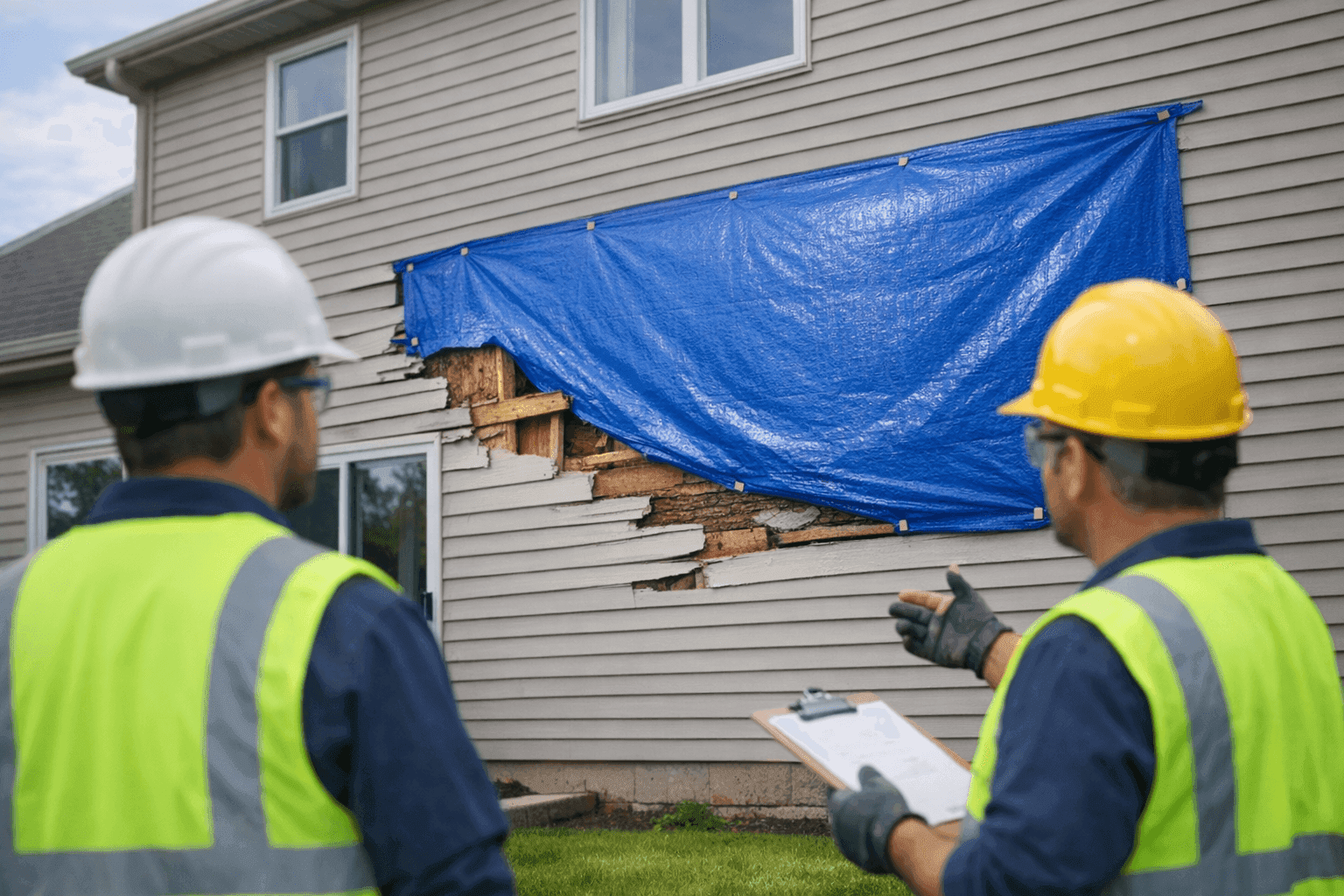
When a storm barrels through, your home’s siding stands as the first line of defense. But when wind, hail, or flying debris leaves that shield battered, it’s more than just an eyesore. It’s an urgent, stressful problem. The team at Schaefer Exteriors has helped families just like yours weather the aftermath—literally and figuratively. This guide will walk you through what to do, step-by-step, so your home stays safe, dry, and secure.
Siding Damage Right After the Storm: Don’t Panic
Finding your siding torn, cracked, or ripped away after a storm can feel like watching your home lose its armor. It’s unsettling. But there’s a clear path to follow. Acting fast and smart protects your home and your wallet.
Quick Safety Checklist: Protect People First ⚡
Before you worry about the siding itself, make sure it’s safe to approach.
- Check for downed power lines near siding or gutters. Stay far away—call your utility company if you see any.
- Look for sharp debris—nails, shards, loose boards.
- Inspect for hidden hazards (damaged gas meters, electrical panels, or standing water near siding).
- If you’re unsure, wait for emergency services or a professional inspection.
If you hear a strange hissing or smell gas, evacuate and call emergency services immediately.
Temporary Protection: Stop Water and Wind
If the storm has punched holes through your siding, rain and wind can quickly cause more harm. Like putting a patch on a leaky tire, even basic protection helps:
- Use heavy-duty tarps or thick plastic sheeting to cover exposed wall areas.
- Secure with duct tape, wood strips, or nails—whatever’s handy, but avoid causing further damage.
- If possible, cover damaged spots from the outside to prevent water intrusion.
This is a stopgap, not a solution. But a little effort now can prevent big repairs later.
Document Everything: Your Insurance Lifeline
Take photos—lots of them. Wide shots of the house. Close-ups of every damaged area. Don’t forget the ground, where siding or debris may have landed. Make notes about:
- The date and time of the storm
- What you saw or heard
- Any steps you took for temporary protection
These records help with insurance claims and ensure nothing gets overlooked when repairs begin.
DIY Repairs vs. Calling a Pro: Know Your Limits
Some minor cosmetic cracks or loose siding panels might look simple to fix. But storm damage is often like an iceberg—what you see may only be a fraction of the problem. Hidden water intrusion, insulation damage, or loosened trim can lead to mold or structural headaches down the road.
- DIY: Reattaching a small piece of siding or caulking a minor gap.
- Call a Pro: Large missing panels, broken soffit or fascia, exposed wood, insulation, or anything involving electrical or structural components.
If in doubt, don’t risk it. Professionals have the right tools and safety training.
When Is It an Emergency? Signs You Need Immediate Help
Some siding problems can wait a day or two. Others need urgent attention. Call for emergency siding services if you notice:
- Large sections of siding ripped away
- Water actively leaking into walls or attic
- Exposed wiring or insulation
- Unusual drafts, animal entry, or moldy smells
The longer water or pests get into your walls, the worse (and more expensive) the damage becomes.
What Happens When Siding Pros Arrive
When you call Schaefer Exteriors for emergency siding services, here’s what you can expect:
- Assessment: We’ll inspect the full extent of damage—siding, trim, soffit, fascia, and insulation.
- Protection: If repairs can’t happen immediately, we’ll secure your home with weatherproof materials.
- Estimate: You’ll get a clear, written estimate outlining required repairs, materials, and timelines.
- Repair: Our team uses code-compliant practices, referencing guidelines from the International Residential Code (IRC) and manufacturer specs.
- Cleanup: We handle debris and leave your property safe and tidy.
We’ll also help guide you on insurance documentation if needed.
Understanding Siding Repair: The Process Step-by-Step
Every project is different, but here’s the usual flow:
- Inspection: Check for hidden damage—rot, mold, or insulation issues.
- Removal: Take off broken or loose siding, plus any affected trim or molding.
- Prep: Dry out underlying wood, replace insulation, and weatherproof as needed.
- Installation: Install new siding panels, matching materials and colors as closely as possible.
- Finishing Touches: Caulk seams, repaint if needed, and reattach trim.
If you’re considering upgrades—like fiber cement, vinyl, or eco-friendly siding options—this is a good time to ask about Siding Color Consultation.
Insurance Claims Basics: Don’t Get Overwhelmed
Storm damage is typically covered by homeowners’ insurance, but there are some important steps:
- Report quickly: Most insurers require prompt notice.
- Provide documentation: Photos, repair estimates, and receipts.
- Meet the adjuster: Walk them through the damage and share your notes.
- Ask questions: Understand your deductible, coverage limits, and exclusions.
The National Association of Insurance Commissioners (NAIC) recommends keeping records of all communications and following up in writing.
How to Choose a Siding Contractor After a Storm
Don’t trust your home to a handshake or the first flyer left on your door. Here’s what to look for:
- Licensed and insured: Ask for proof.
- Written contract: Details on work, materials, and timeline.
- Experience: Look for a track record with storm damage and storm damage repair.
- Clear communication: Willingness to answer questions and provide references.
Avoid anyone who pressures you for immediate payment or offers “one-day deals” on repairs.
Common Mistakes Homeowners Make After Storm Damage
- Waiting too long: Delays can void insurance claims or cause secondary damage.
- Skipping documentation: No photos means no proof for insurance.
- Trying risky DIY repairs: Safety first—always.
- Ignoring small problems: A tiny crack today can become a big headache next month.
The Cost and Timeline: What to Expect
- Minor repairs: May be completed in a day or two; costs vary depending on materials.
- Major repairs or replacement: Can take a week or more, especially if specialty siding or custom trim is needed.
- Insurance claim process: May add days or weeks, depending on adjuster availability.
Ask for a written estimate and timeline so you know what to expect.
Preventing Future Siding Storm Damage
While no siding is invincible, you can lower your risk:
- Regular maintenance: Clean, inspect, and repair minor issues annually.
- Upgrade materials: Fiber cement and modern vinyl often resist wind and hail better than old wood.
- Secure trim, soffit, and fascia: These are common weak points.
- Siding Inspection: Schedule regular checkups, especially after local storms.
Check out official resources like the Federal Emergency Management Agency (FEMA) for more tips on home storm preparedness.
Siding Materials: How They Handle Storms
- Vinyl: Good flexibility, but can crack in severe cold or impact.
- Fiber Cement: Durable and fire-resistant, holds up well in wind.
- Wood: Classic look but can swell, rot, or split if water gets in.
- Metal: Strong but may dent from hail or flying debris.
- Stucco: Resists water, but cracks can let moisture into the wall.
Your choice affects not only curb appeal but also resilience in the next storm.
Frequently Asked Questions About Storm-Damaged Siding
Can I match my existing siding color after repairs?
Usually, yes, but sun-faded panels may not be a perfect match. Ask about Siding Color Consultation near you.
Does insurance cover all types of siding damage?
Coverage varies. Most storm-related damage is covered, but check your policy for exclusions.
How soon should repairs be made?
Immediately for major damage; within days for minor issues. Don’t delay.
What if my siding is fine, but the gutters or trim are damaged?
These components protect your home, too. Get them repaired promptly.
Seasonal Considerations: Timing Repairs and Maintenance 🌦️
Storms can happen any time, but spring and late summer are peak season in many areas. Schedule inspections and maintenance before storm season hits to catch problems early.
Winter repairs may take longer due to weather delays—but emergency protection is always available.
Don’t Let Storm Damage Spiral: Take Action Now
A damaged exterior is more than a curb appeal problem. It’s your home’s shield. If you’re in a tough spot, don’t wait for things to get worse. Whether you need a quick patch or a full replacement, Schaefer Exteriors is ready to help you get back to normal.
For homeowners seeking reliable siding services after a storm, our team is always just a call away.
Call Schaefer Exteriors now — or reach us anytime at 877-331-5875 .