What Is Siding Caulking and Why Is It Important?
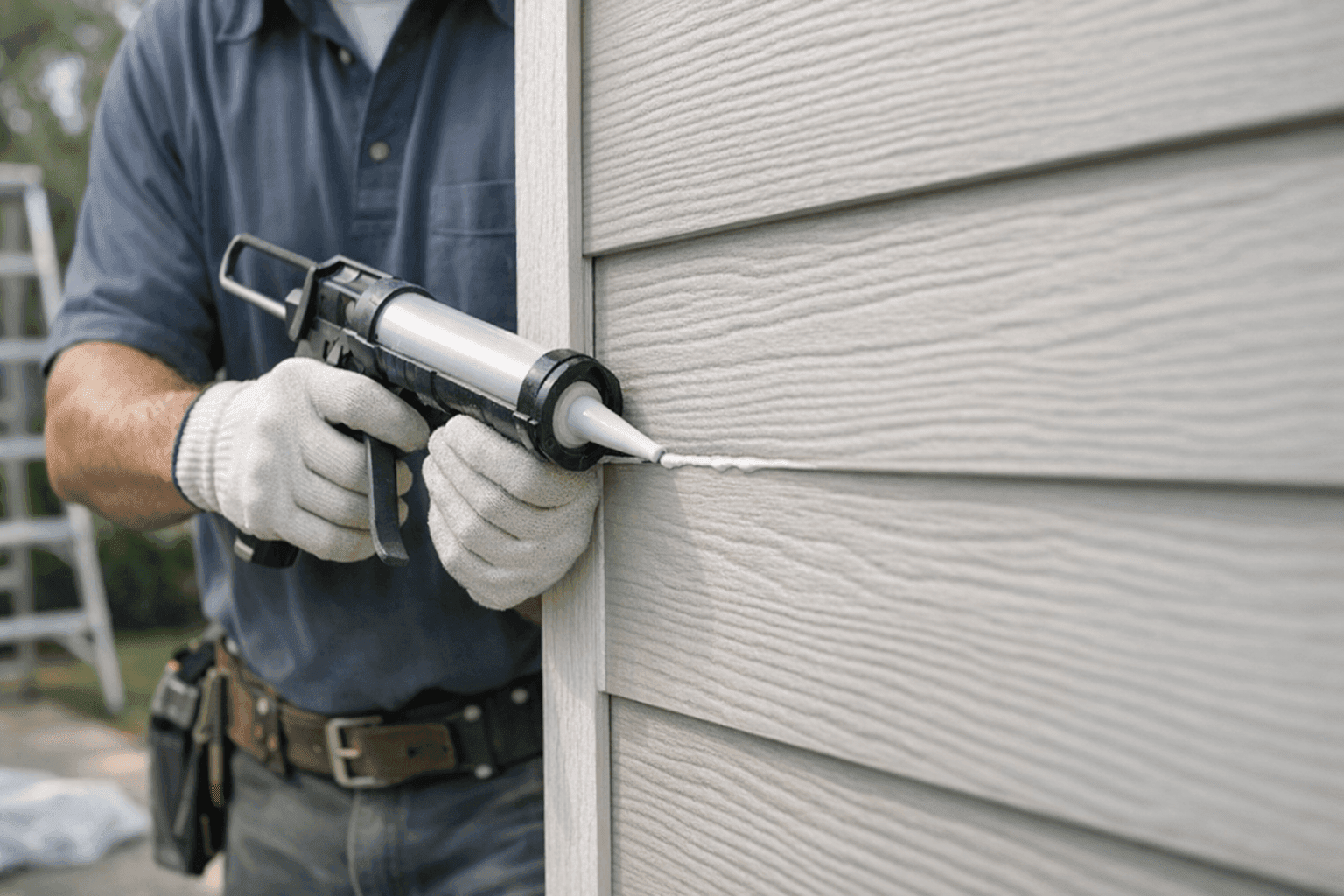
Why Siding Caulking Deserves Your Attention
Your home's siding does more than make a good first impression. It stands as a shield—fending off wind, rain, and all that nature throws at it. But even the toughest siding can't do its job alone. The secret ingredient? Caulking.
Gaps, cracks, and tiny seams are like open doors for water and pests. Caulking is the sturdy lock that keeps them out. Ignore it, and you invite trouble. At Schaefer Exteriors, we've seen what happens when sealing gets skipped. Let's make sure your home doesn't become a cautionary tale.
What Does Siding Caulking Actually Do?
Imagine your siding as armor. Caulking is the flexible glue that seals every joint in that armor. It's a waterproof barrier, filling spaces between your siding panels, around windows, and at trim edges. This keeps out moisture, helps prevent rot, and cuts down on drafts.
The U.S. Department of Energy highlights how proper sealing and caulking can dramatically improve your home's energy efficiency. Less air leaks out, and your heating and cooling bills shrink.
Common Problem Areas: Where Trouble Starts
Not all parts of your siding are created equal. Some spots are more vulnerable than others:
- Window and door frames: These joints are frequent leak points.
- Siding seams and joints: Especially where two materials meet.
- Corners and edges: Where trim meets the main siding.
- Around vents, pipes, and utility penetrations: Small gaps can cause big headaches.
If these spots aren't sealed, water can sneak in—and once it does, repairs get a lot more complicated.
Types of Caulk: Choosing the Right Material
Caulk is not all the same. Pick the wrong one, and it won't last.
- Silicone: Flexible, waterproof, and great for non-porous surfaces.
- Polyurethane: Tough, UV-resistant, and sticks well to most siding types.
- Acrylic latex: Easy to use and paintable, but not as durable for tough weather.
For exterior siding, pros at Schaefer Exteriors almost always use high-quality, paintable, and weather-resistant caulks. The right match means a longer-lasting seal.
Signs Your Siding Caulking Is Failing
How can you tell if your caulking needs attention? Look for these red flags:
- Cracks or splits along seams
- Caulk pulling away from surfaces
- Soft, spongy, or rotting wood near joints
- Visible gaps at windows, doors, or trim
- Water stains inside the house, especially near walls
If you spot any of these, it's time to take action—before small leaks become big repairs.
DIY Siding Caulking: Quick Tips for Homeowners 🛠️
Want to tackle a few small areas yourself? Here's how:
- Pick a dry day. Caulk sticks best when it's not humid or raining.
- Clean the area. Remove old, flaking caulk and dirt.
- Cut the caulk tube tip at an angle. This gives more control.
- Apply steady pressure. Move slowly along the seam—less is more.
- Smooth with a gloved finger or caulking tool. This ensures a good seal.
- Allow to cure. Read the label; most caulks need 24 hours to set.
Remember: For widespread damage, high-up areas, or anything near electrical lines, it's always safer to call in the pros.
When to Call a Professional Siding Contractor
DIY fixes work for a few little gaps. But some jobs need more muscle:
- Multiple failed joints or widespread cracking
- Soft, rotting, or moldy siding
- Caulking high above ground level
- Repeated leaks despite resealing
A professional siding contractor like Schaefer Exteriors brings the right tools, materials, and know-how to root out hidden problems and deliver lasting repairs. We spot what others might miss.
What Happens When the Pros Arrive?
We start with a thorough inspection—inside and out. Our team looks for water intrusion, loose panels, and missing or failed caulk. We use ladders, safety gear, and sometimes moisture meters to go deeper.
Next, we remove all problem caulk, prep the surfaces, and apply fresh, high-grade sealant. Proper technique matters. Every bead is smoothed for a watertight finish, and we double-check every vulnerable area.
Finally, we clean up and walk you through the results. That's what real attention to detail looks like.
The Cost of Caulking—And What’s at Stake
Caulking is one of the most affordable siding fixes. But the cost of ignoring it? That can skyrocket. Water damage, mold, and rotting wood can mean expensive repairs down the road.
A small investment now can save you thousands later. According to the International Association of Certified Home Inspectors, regular siding weatherproofing is one of the top ways to extend your home's life.
How Long Does Siding Caulking Last?
With quality materials and skilled application, exterior caulk can last 5–10 years. But harsh weather, sun exposure, and shifting siding can shorten its lifespan.
That’s why routine Siding Caulking and Sealing inspections matter. They help you catch problems before they spiral.
Seasonal Siding Caulking: Timing Is Everything
Spring and fall are ideal for inspecting and resealing your siding. Extreme heat or cold can prevent caulk from curing properly. After a big storm or harsh winter, it's smart to check for new gaps or damage.
Think of it as a seasonal tune-up—like changing the oil in your car.
Siding Caulking Safety Checklist
Before you start any siding caulking project, run through this quick safety list:
- Wear gloves and old clothes (caulk is sticky!).
- Use a stable ladder for high spots.
- Never caulk near live electrical wires—leave those to the pros.
- Ventilate the area if you're working with strong-smelling products.
- Keep children and pets away until the caulk cures.
Safety first, always.
Common Siding Caulking Mistakes to Avoid
A few missteps can undo all your hard work:
- Applying caulk to wet or dirty surfaces
- Skipping primer when needed
- Using indoor caulk outside
- Laying down too much or too little caulk
- Forgetting to smooth the bead
If in doubt, ask a pro—or schedule a consultation with Schaefer Exteriors.
How Siding Caulking Fits Into Whole-Home Weatherproofing
Caulking isn’t just a patch-up job. It’s a key player in your home's overall siding weatherproofing plan. Combine it with proper insulation, flashing, and ventilation for true peace of mind.
Want to discuss Siding Color Consultation near you, or explore eco-friendly siding options? We're here to help.
Frequently Asked Questions About Siding Caulking
Is caulking always necessary with new siding? Yes. Even new siding needs sealing at joints, windows, and trim for maximum protection.
How often should I check my siding caulking? At least once a year—or after major weather events.
Can old caulk be repaired, or does it have to be replaced? Cracked or separated caulk should be removed and replaced for a proper seal.
What if my siding is wood, vinyl, or fiber cement? Each siding material needs the right caulk. The wrong type won’t stick or last.
Ready to Protect Your Home? Take the Next Step with Schaefer Exteriors
Don’t wait for leaks to tell you there’s a problem. Siding caulking is a simple, powerful way to keep your home dry, energy-efficient, and beautiful year after year.
Call Schaefer Exteriors now — or reach us anytime at 877-331-5875 .