The Truth About Vinyl Siding: Maintenance, Cost, and Durability
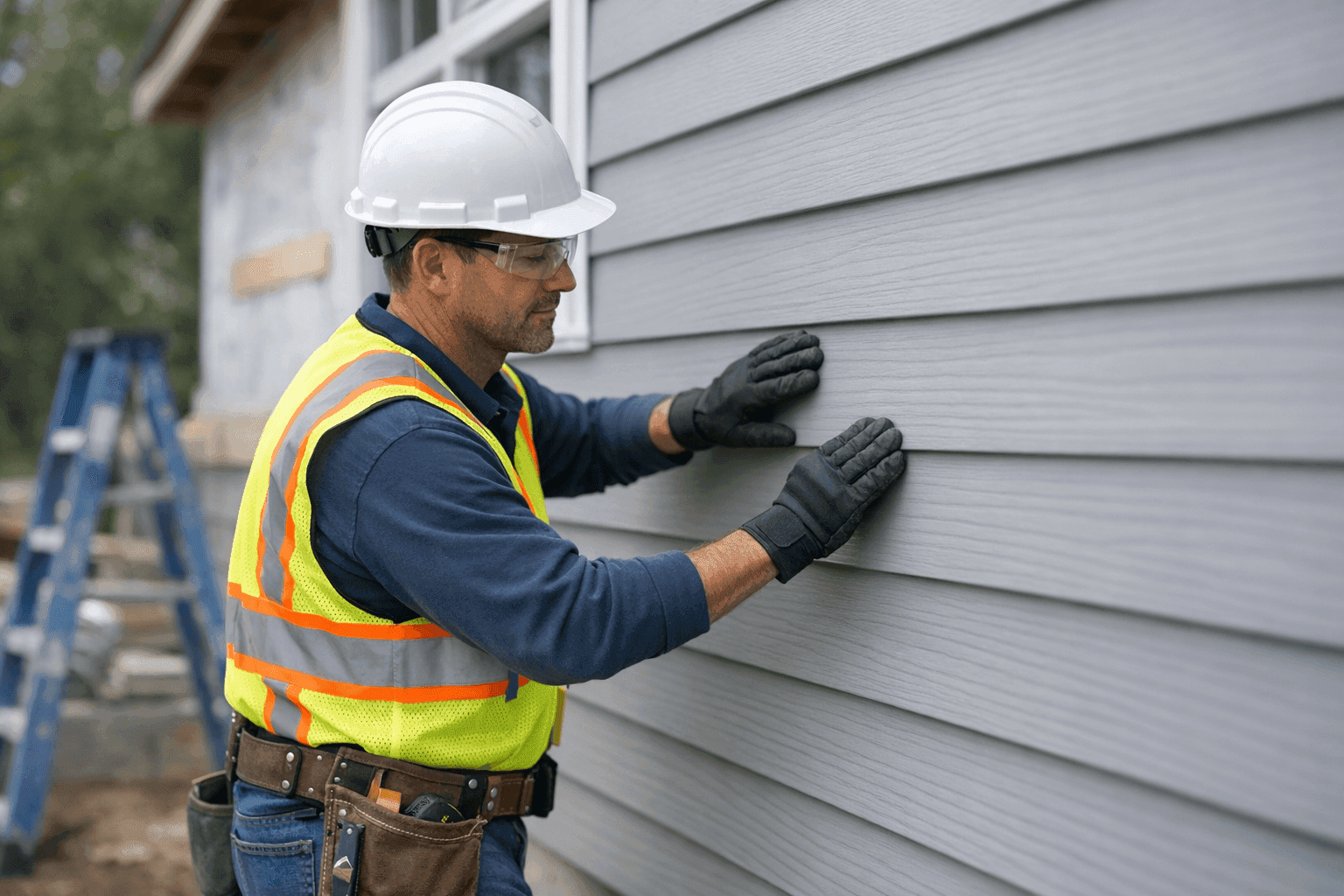
Vinyl siding covers more homes in America than any other cladding. It’s everywhere—prairie neighborhoods, city blocks, mountain towns. But is it all it’s cracked up to be? Many homeowners want honest answers before committing to such a visible, long-term investment.
At Schaefer Exteriors, we’ve seen how vinyl siding stands up through years of sun, rain, and even the occasional baseball. Let’s break down the facts about maintenance, cost, durability, and what to expect—no sugarcoating.
What Vinyl Siding Really Is (And Isn’t)
Vinyl siding is like a tough, colorful raincoat for your house. It’s made mostly of PVC (polyvinyl chloride), engineered to shed water, block wind, and look good for years. But not every story about vinyl is true. Some myths linger like last season’s paint.
- It doesn’t rot, peel, or need repainting.
- It can crack if whacked hard in very cold weather.
- It won’t trap heat like a greenhouse if installed correctly.
The truth? Vinyl siding is practical, but it’s not invincible.
Maintenance: Easier Than Most, But Not Maintenance-Free 🧹
Vinyl siding is often sold as “no maintenance.” That’s not the full picture. It resists rot, termites, and fading, but it still needs care.
Maintenance checklist:
- Rinse off dust, pollen, and cobwebs with a garden hose every spring.
- Use a soft-bristle brush and mild soap for stubborn stains (think: bird droppings, mildew).
- Check for loose panels after severe storms.
- Trim shrubs and trees to prevent scratches.
Pro tip: Avoid using high-pressure washers—they can force water behind the panels, causing hidden moisture problems.
Expected Lifespan: How Long Does Vinyl Siding Last?
Good vinyl siding—properly installed—can last 20 to 40 years. Sometimes even longer. That’s about as long as a mortgage.
- Lifespan depends on: quality of product, installation skill, and local weather.
- UV-resistant coatings help prevent fading, but after decades, color can soften.
The North American Insulation Manufacturers Association and the Vinyl Siding Institute cite 30+ years as a typical lifespan when siding is maintained and inspected regularly.
Weather Resistance: Sun, Wind, Rain, and Hail
Vinyl siding is designed to take a beating.
- Sun: Modern panels have UV protection baked in.
- Rain: Overlapping seams and weep holes let water drain away.
- Wind: Many lines are rated for 110–130 mph gusts if installed to code.
- Hail: Quarter-sized hail usually bounces off. Baseball-sized? That’s a different story.
Tip: After any major weather event, inspect for cracks, chips, or loose panels to avoid bigger headaches later.
Cost: Upfront Price vs. Long-Term Value
Vinyl siding is usually the most budget-friendly option for homeowners. Think of it as the sedan of siding—reliable, widely available, and affordable to run.
- Upfront: Lower than fiber cement, wood, or brick.
- Installation: Fast—sometimes a whole home in less than a week.
- Ongoing: Minimal costs compared to painting wood or patching stucco.
When you look at lifetime costs—materials, install, and maintenance—vinyl usually wins for value per square foot.
The Installation Process: What Really Happens
Installing vinyl siding isn’t just snapping panels onto a wall. Here’s the typical process:
- Old siding is removed if necessary.
- Walls are inspected for rot, leaks, or damage.
- House wrap or insulation board is installed for moisture control.
- Starter strips are attached at the base.
- Panels are hung “loose” to allow for expansion and contraction.
- Trim, soffit, and fascia are finished for a neat look.
A professional installer pays attention to airflow (ventilation), caulking, and flashing—key for avoiding problems down the road. For a tailored approach, our Siding Color Consultation ensures your new siding looks as good as it protects.
Color and Texture: Not Just Plain White Anymore 🎨
Forget the plastic-looking siding of the past. Today’s vinyl comes in dozens of colors, from earthy grays to deep blues and greens. Textures mimic cedar shakes, wood grain, and even board-and-batten farmhouse styles.
- Darker colors: Now engineered to resist fading and warping.
- Specialty profiles: Mix horizontal, vertical, or shingle-style for a custom look.
With professional color consultation, you can pick a shade that fits your home and neighborhood—no guesswork.
Common Misconceptions About Vinyl Siding
Some rumors hit vinyl siding harder than a summer thunderstorm. Let’s clear the air.
- Myth: Vinyl siding always looks cheap.
- Fact: Higher-quality lines look and feel like painted wood.
- Myth: It’s bad for the environment.
- Fact: Modern vinyl is recyclable, and some lines use recycled content.
- Myth: Siding causes mold.
- Fact: Mold only grows if water gets trapped—proper installation prevents this.
When Is Vinyl Siding the Right Choice?
Vinyl siding fits most homes and budgets, but it’s not for everyone. It shines when:
- You want low maintenance and strong weather resistance.
- Energy efficiency is important (with insulated vinyl).
- Your home’s exterior has lots of angles and trim—vinyl is flexible.
- You’re upgrading curb appeal for resale.
It’s less ideal if your neighborhood has strict historic guidelines, or you want a fully custom, hand-crafted look.
DIY vs. Call a Pro: What’s Wise?
A handy homeowner might replace a single panel. But full installation? That’s a different animal.
- Pros know: How to stage panels, flash windows, and allow for movement.
- Code matters: Building codes (like the International Residential Code) dictate proper installation for wind, fire, and moisture safety.
- Warranty: Most manufacturers require pro installation to keep warranty valid.
For advice that fits your home, schedule a Siding Color Consultation.
Keeping Vinyl Siding Looking New: Simple Steps
Want that fresh, just-installed look year after year?
- Wash once or twice a year—spring and early fall are perfect.
- Inspect after storms for cracks or loose edges.
- Touch up caulk around windows, doors, and trim as needed.
- Keep grills, fire pits, and outdoor heaters several feet away—vinyl can melt under intense heat.
Signs Your Siding Needs Attention
Vinyl siding is durable, but it gives warning signs when there’s trouble:
- Panels that rattle in high winds
- Cracks, holes, or buckling
- Faded, chalky spots
- Moisture or mold indoors near exterior walls
If you spot these, don’t wait. Early repairs are less costly than full replacement.
Timeline and Disruption: What to Expect During Installation ⏳
Replacing siding is a big project, but not a never-ending one.
- Prep: 1–2 days for setup and removal of old siding
- Install: 3–5 days for most homes
- Cleanup: 1 day
Expect some noise and dust, but pros keep the mess contained. Most families stay home throughout the process.
Safety and Codes: Why Details Matter
Proper installation isn’t just about looks. It’s about protecting your investment—and your family.
- All siding work should meet local building codes (check with your city or township).
- Installers use ladders, saws, and sometimes scaffolding—safety first.
- Fire codes may require special rated siding near property lines.
Always check your contractor’s credentials and insurance. The Vinyl Siding Institute and local code offices are excellent resources for best practices.
Vinyl Siding in Real Life: What Homeowners Say
We’ve installed vinyl siding on homes that face freezing winters, blazing summers, and heavy storms. Most homeowners are surprised at how easy it is to care for, and how much curb appeal it adds.
One recent customer in Wilkes-Barre told us, “I never thought I’d love siding, but I do now. The color still pops and cleaning it is a breeze.”
If you want to see what’s possible, check out our siding specialists in Wilkes-Barre.
Final Thoughts: Is Vinyl Siding Right for You?
Vinyl siding balances affordability, ease, and adaptability. It won’t solve every exterior problem, but it’s a reliable choice for many homes. With the right prep, installation, and a little annual care, it can look fresh for decades.
If you’re thinking about new siding, color options, or just want a pro’s eye on your exterior, Schaefer Exteriors is here to help.
Call Schaefer Exteriors now — or reach us anytime at 877-331-5875 .