Top Signs Your Siding Needs Repair or Replacement
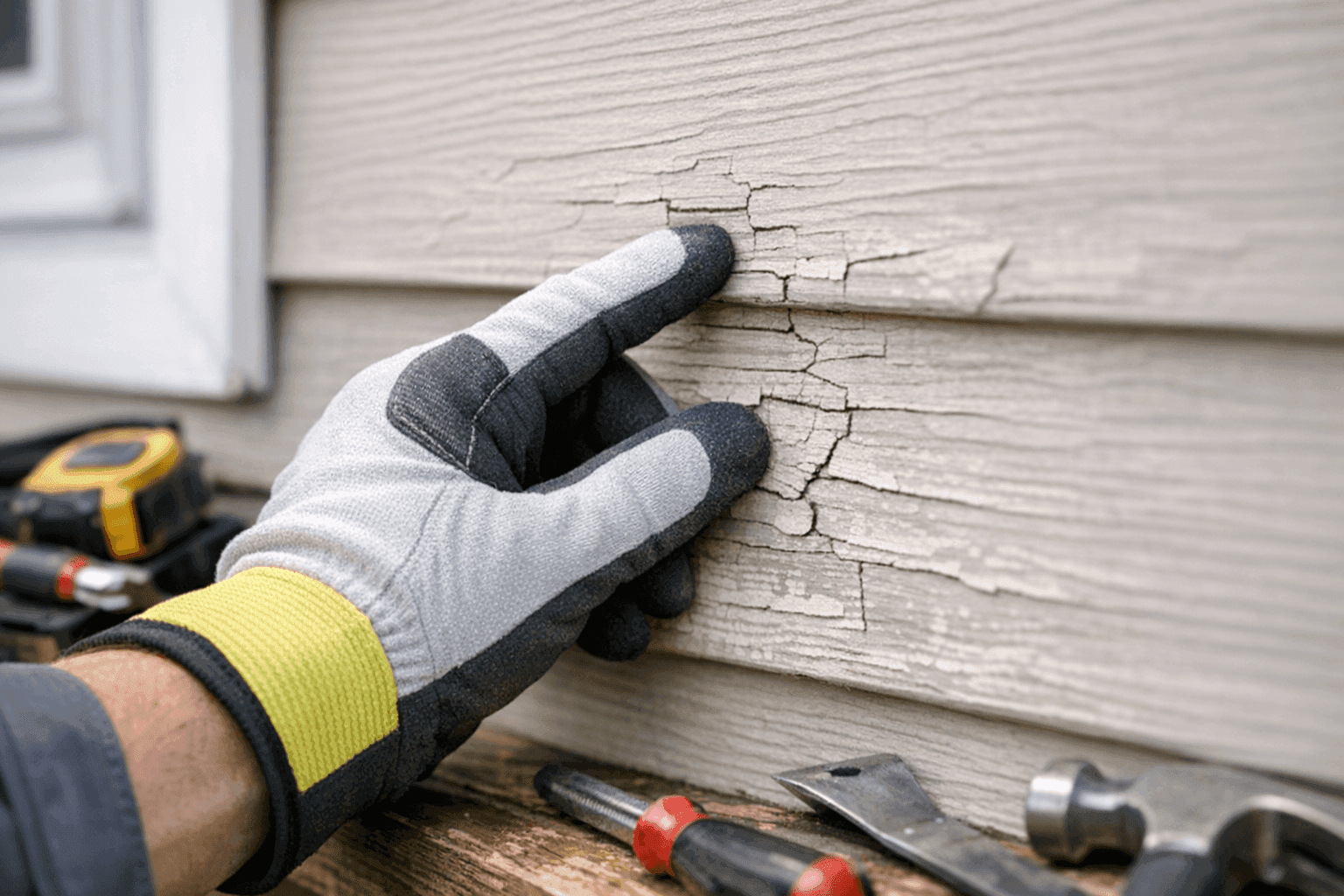
Is your home's exterior trying to send you a message? Siding is more than a pretty shell—it’s your house’s first line of defense against wind, rain, and time itself. When siding starts to wear out, little problems can snowball into headaches. Don’t let small issues sneak up on you.
At Schaefer Exteriors, we help homeowners spot trouble early, saving money and stress. Let’s walk through the top warning signs your siding needs repair—or a full replacement.
Common Siding Issues 🏠
Every siding material tells its own story. Vinyl warps. Wood cracks and peels. Fiber cement chips. Even the best installation can face trouble after years of sun, storms, and temperature swings.
Top issues to watch for in any siding:
- Cracks, splits, or visible holes
- Loose or missing boards or panels
- Bulging, warping, or buckling
- Faded, uneven, or blotchy color
- Mold, mildew, or algae growth
- Insect or pest damage
If you see these, your siding may not be doing its job.
Visual and Hidden Damage
Some siding damage is easy to spot. Other times, problems hide behind the surface—like a splinter under your skin, festering where you can’t see.
What to look for:
- Vinyl: Look for warped panels, cracked edges, or panels that have popped loose. Fading color is a clue the UV protection is gone.
- Wood: Watch for peeling paint, soft spots, or visible rot. If you press with your finger and it sinks in, that’s rot.
- Fiber Cement: Chips or cracks at the edges, especially near joints or seams. Gaps can let in moisture.
- Stucco: Cracks wider than a nickel, or areas that sound hollow when tapped.
A simple walkaround with a flashlight can reveal a lot. Don’t forget to check behind bushes and under eaves.
Moisture and Rot
Moisture is siding’s silent enemy. Water gets in, and trouble follows.
Checklist for moisture and rot:
- Spongy or soft siding when pressed
- Brown, black, or green stains
- Bubbling paint or swollen boards
- Visible mold, especially near the base of walls
- Musty smells indoors near exterior walls
According to the International Association of Certified Home Inspectors (InterNACHI), trapped moisture is a leading cause of siding failure. Quick action now means fewer repairs later.
Energy Loss
Drafty rooms? High utility bills? Damaged siding could be the culprit.
Signs your siding isn’t sealing out the elements:
- Chilly drafts near walls or windows
- Unexplained spikes in heating or cooling costs
- Walls that feel damp or cold to the touch
- Visible gaps at seams or corners
Gaps and leaks let conditioned air slip away, forcing your HVAC system to work harder. The U.S. Department of Energy recommends regular exterior checks to maintain energy efficiency.
Professional Assessment 🛠️
Spotting a problem is one thing. Knowing how serious it is—that’s where experience counts.
A siding professional uses moisture meters, probes, and trained eyes to catch what others miss. At Schaefer Exteriors, a Siding Inspection covers both the obvious and the subtle. We check every corner, seam, and joint so you know exactly what’s going on.
Don’t wait until water finds its way inside. A pro assessment can provide peace of mind, and if repairs are needed, you’ll know your options.
Quick Safety Checklist
Safety first—especially if you’re checking high or hard-to-reach spots.
Before you inspect:
- Use a sturdy ladder on level ground
- Wear gloves and safety glasses
- Watch for wasps, bees, or other critters
- Avoid slippery or wet surfaces
- If unsure, call a siding contractor
DIY vs. Call a Pro
You can spot surface issues, but some repairs need special tools and know-how.
DIY:
- Cleaning dirt or mildew with a garden hose
- Replacing a loose nail or clip
- Painting or resealing small areas
Call a pro for:
- Major cracks, holes, or warped boards
- Signs of rot or pest damage
- Large areas of faded or peeling paint
- Siding that feels soft, spongy, or unstable
- Projects involving heights or electrical hazards
What Pros Do On Arrival
A professional’s first step is to listen. What have you noticed? When did it start?
Next, they’ll:
- Inspect all sides of your home, including under decks and behind shrubs
- Use moisture meters to check for hidden leaks
- Assess the condition of flashing, trim, and caulking
- Recommend a repair or replacement plan based on what they find
Prevention & Maintenance
Don’t wait for trouble. A little care keeps siding in shape for years.
Tips:
- Wash your siding every spring and fall
- Trim plants and shrubs at least a foot away
- Repair minor dings or chips before they spread
- Check caulking and seals each season
- Schedule a professional siding inspection every few years
Costs & Time Factors
Worried about the price tag? Small repairs are often affordable, especially if caught early. Waiting can turn a simple fix into a bigger project.
- Most minor repairs can be done in a day
- Replacement takes longer, but often less time than you think
- Material and labor costs vary—fiber cement and wood may cost more than vinyl, but each has its benefits
Always ask for a detailed estimate before work begins.
When It’s an Emergency
Sometimes, siding problems can’t wait.
Emergencies include:
- Major storm damage (hail, wind, flying debris)
- Water pouring in through walls
- Sudden pest infestations
- Loose panels threatening to fall
Call for emergency siding services if safety or your home’s structure is at risk.
Seasonal Considerations 🌦️
Different seasons bring their own challenges.
- Spring: Check for winter’s hidden damage—cracks, loose boards, or water stains.
- Summer: Look for sun-faded or warped panels, especially on south-facing walls.
- Fall: Clear away leaves and debris that trap moisture.
- Winter: Watch for ice dams or snow buildup near siding edges.
Regular checks every season catch problems early.
Common Mistakes to Avoid
Avoid these pitfalls:
- Ignoring small cracks or soft spots—they rarely fix themselves
- Power washing with too much pressure (can force water behind siding)
- Painting over mold or mildew without cleaning it first
- Skipping professional inspections after big storms
Signs of Trouble: A Room-by-Room Approach
Sometimes, siding problems show up inside first.
Check each room for:
- Peeling paint or bubbling wallpaper
- Musty odors near exterior walls
- Damp spots or stains at floor level
- Cold drafts in winter, hot spots in summer
If you notice these, step outside and inspect that area’s siding.
Timeline & Disruption
How long will repairs take? Most minor fixes are quick. Full replacements can stretch over several days but are less disruptive than you might think. We work in sections, so your home stays protected during the process.
Materials and Equipment
Each siding type has unique care needs:
- Vinyl: Mild soap and water; avoid harsh chemicals.
- Wood: Regular painting or sealing, gentle cleaning.
- Fiber Cement: Paint every 10-15 years, inspect joints.
- Metal: Rust checks, occasional repainting.
- Stucco: Monitor cracks, patch promptly.
Quality tools and the right materials make repairs last.
FAQ: Your Siding Questions Answered
How often should siding be replaced?
Most siding lasts 20–40 years, depending on material and care.
Can I patch small holes myself?
Yes, but be sure to use the right filler and sealant for your siding type.
What’s the best time of year for repairs?
Spring or fall, when weather is mild. But emergencies can’t wait.
Do I need a permit?
For major work, yes—always check local building codes.
Why Prompt Action Matters
Ignoring siding issues is like letting a leaky pipe drip behind the walls. Small problems can lead to water damage, mold, and higher bills. Quick action keeps your home safe, comfortable, and looking its best.
If you’re in the area and searching for a trusted siding contractor, Schaefer Exteriors is here to help.
Ready to Restore Your Home’s Shield?
Don’t let your home's shell fall apart. Whether it’s a simple repair or full Siding Replacement, taking action now can save you time and money down the road. For reliable siding solutions, Siding Color Consultation near you, and peace of mind, reach out today.
Call Schaefer Exteriors now — or reach us anytime at 877-331-5875 .