Top Siding Materials for Modern Homes: Pros, Cons, and Longevity
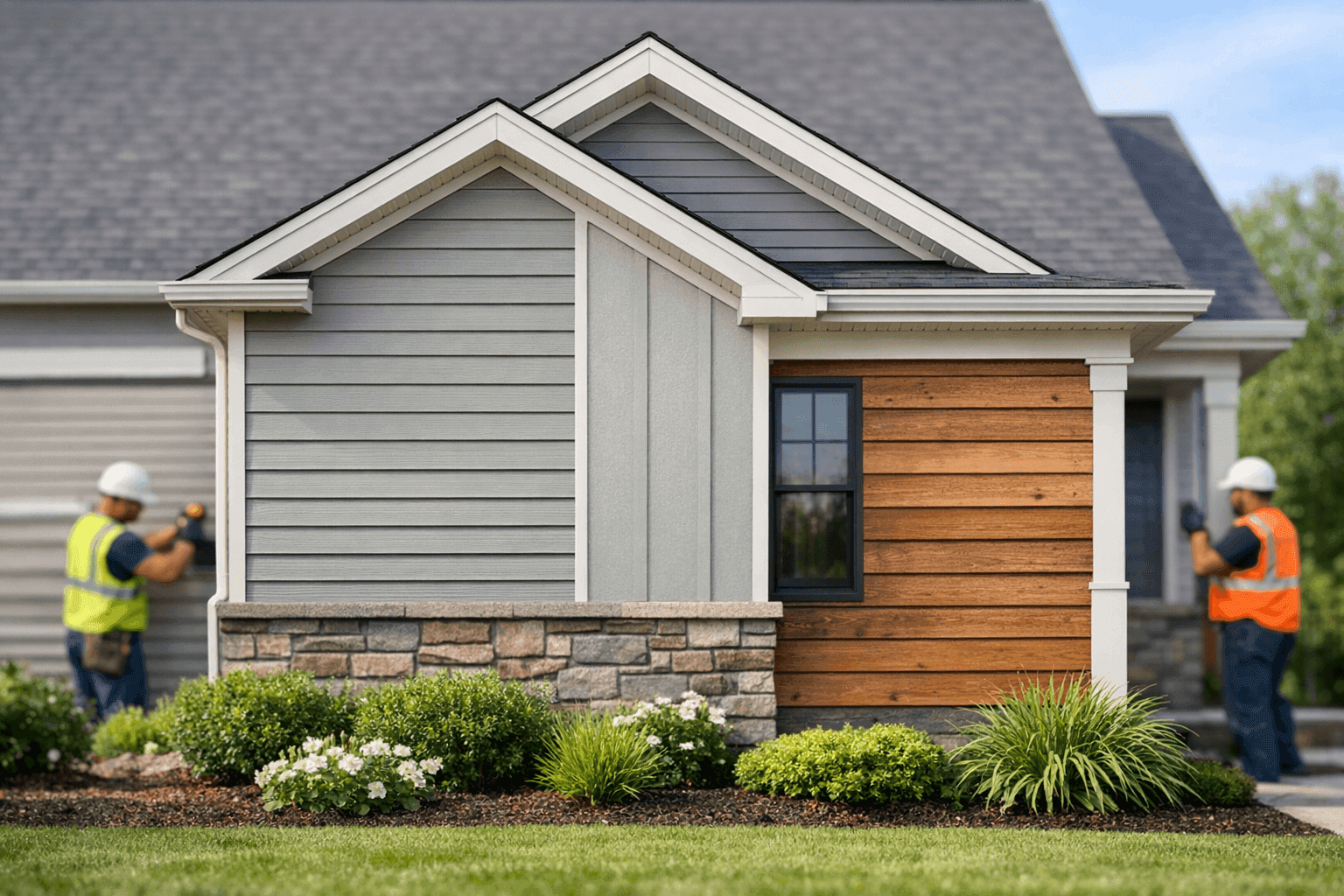
Making the Right Choice for Your Home’s Siding
Picking the right siding can feel like choosing the perfect jacket—it needs to fit your style, protect you from the elements, and last for years. With today’s endless options, homeowners are often left wondering: which siding material truly stands up to modern living?
At Schaefer Exteriors, we help families navigate this decision every day. With decades of hands-on experience, we know what thrives in our climate, what keeps maintenance low, and how to make curb appeal last.
Vinyl Siding: Reliable Workhorse or Plain Wrapper?
Vinyl siding is the reliable pickup truck of the siding world. It’s everywhere for a reason.
- Durability: Stands up to rain, wind, and sun, though it may crack in extreme cold.
- Maintenance: Just a quick wash now and then.
- Appearance: Comes in almost any color—think of a paint store’s color wall.
- Cost: One of the most budget-friendly options.
- Cons: Can fade over time; seams may be visible.
Best for: Busy families who want a low-fuss, affordable, and versatile exterior.
Fiber Cement Siding: Tough as Nails, Sharp as a Suit 👔
Imagine a tailored suit that never wrinkles. Fiber cement siding is engineered for strength and style.
- Durability: Resists fire, rot, and termites. Handles storms without flinching.
- Maintenance: Needs painting every 10–15 years. Occasional caulking.
- Appearance: Mimics wood, stucco, or stone with crisp lines.
- Cost: Mid-range to high, but long lifespan.
- Cons: Heavier than vinyl; installation is best left to pros.
Best for: Homeowners who want elegance, resilience, and the feel of real wood—without the hassle.
Wood Siding: Timeless Beauty with a Gardener’s Touch
Wood siding is like a classic leather armchair—warm, rich, and inviting. But it needs care.
- Durability: Can last generations with regular attention.
- Maintenance: Needs staining or painting every few years. Watch for rot and insects.
- Appearance: Natural grains and textures—no two boards are alike.
- Cost: Higher upfront, plus ongoing maintenance.
- Cons: Vulnerable to moisture.
Best for: Those who love character, have time for seasonal upkeep, and prize a natural look.
Metal Siding: Modern Shield, Industrial Edge
Think of metal siding as a suit of armor—strong, sleek, and built for the long haul.
- Durability: Laughs off pests, rot, and fire. Resistant to impact.
- Maintenance: Occasional washing. Minimal painting.
- Appearance: Bold colors and clean lines; works well with modern designs.
- Cost: Similar to fiber cement; sometimes higher for custom finishes.
- Cons: Dents can happen. May be noisy in heavy rain unless properly insulated.
Best for: Modern homes, energy-conscious families, and those who want a striking, low-maintenance look.
Stucco Siding: Sun-Kissed Style with a Secret Strength 🌞
Stucco wraps your home like a sun-dried adobe, perfect for warm, dry climates.
- Durability: Lasts decades in the right environment.
- Maintenance: Occasional patching for cracks.
- Appearance: Smooth or textured finishes, endless color options.
- Cost: Mid-range; installation is an art.
- Cons: Not ideal for wet, freeze-thaw climates.
Best for: Southwestern or Mediterranean-style homes, and those who want a seamless look.
Side-by-Side Comparison at a Glance
Let’s break it down, apples to apples:
- Vinyl: Affordable, easy upkeep, many styles, but can fade or crack.
- Fiber Cement: Durable, elegant, fire-resistant, higher cost, needs pro install.
- Wood: Gorgeous, customizable, but high maintenance and cost.
- Metal: Modern, tough, low maintenance, but may dent or cost more.
- Stucco: Unique texture, great in dry climates, but cracks in cold, wet areas.
Environmental Impact: Thinking Green Matters
Siding isn’t just about looks—it’s about stewardship. Vinyl is recyclable, but made from PVC. Fiber cement uses sand, cement, and cellulose, with a long lifespan. Wood is renewable but needs careful sourcing (look for FSC-certified). Metal is highly recyclable and energy-efficient. Stucco is natural but energy-intensive to install.
If eco-friendliness tops your list, ask about Eco-Friendly Siding Options. We can help you weigh lifespan, maintenance, and recyclability for your priorities.
Climate Suitability: What Works Where?
Just like you wouldn’t wear flip-flops in a snowstorm, your siding should fit your local weather.
- Humid or rainy climates: Fiber cement and vinyl are strong choices. Wood needs diligent sealing.
- Hot, dry regions: Stucco and metal shine.
- Areas with extreme temperature swings: Fiber cement and metal handle expansion and contraction well.
- Storm-prone zones: Fiber cement, metal, and high-gauge vinyl protect against wind and hail.
Code tip: Always check local building codes (like the International Residential Code) for wind, fire, or insulation requirements.
How to Match Siding to Your Home’s Architecture
The right siding can make your home sing—or clash.
- Traditional homes: Wood, fiber cement, or textured vinyl suit classic lines.
- Modern designs: Metal, smooth fiber cement, or bold stucco stand out.
- Cottages and bungalows: Wood lap siding or shakes add charm.
- Mediterranean or Southwestern: Stucco is the go-to.
Need help picturing it? Our Siding Color Consultation near you can help you visualize options before you commit.
Maintenance: What You Need to Know
Some siding materials are like self-cleaning ovens. Others, like wood, need a little elbow grease.
- Vinyl and metal: Hose down occasionally.
- Fiber cement: Inspect caulking, plan for repainting every decade or so.
- Wood: Regular staining or painting, check for rot.
- Stucco: Patch cracks promptly.
Routine siding maintenance is key to a long, healthy lifespan—just like regular oil changes keep your car running.
Signs Your Siding Needs Attention
Don’t wait for water to sneak in. Watch for:
- Cracks, warping, or bulging
- Faded or peeling paint
- Rot or mold (especially with wood)
- Chips, dents, or missing pieces
Spot issues early, and repairs will be smaller and less expensive.
When to Call in the Pros
DIY spirit is great for painting a bedroom. For siding? The stakes are higher. Improper installation can lead to leaks, higher energy bills, or worse. Pros bring:
- Right tools and safety gear
- Knowledge of flashing, insulation, and ventilation
- Proper disposal and recycling
And—let’s be honest—faster, neater results.
Costs, Time, and What to Expect
Here’s a rough sketch:
- Vinyl: Quick install, low cost
- Fiber Cement: Takes longer, more labor-intensive
- Wood: Labor and finishing add up
- Metal: Fast if panels are pre-fabricated, higher material cost
- Stucco: Slow, skilled work, mid-range cost
Plan for a few days to several weeks, depending on your home’s size and complexity.
Frequently Asked Siding Questions
How long does siding last?
Vinyl: 20–40 years. Fiber cement: 30–50 years. Wood: 20–100 years (with care). Metal: 40–70 years. Stucco: Up to 50 years.
Can I change the color later?
Vinyl can be painted, but it’s best to choose your color up front. Wood, fiber cement, and stucco are easy to repaint.
Is new siding noisy during storms?
Properly installed siding shouldn’t rattle. Metal can be louder, but insulation helps.
Common Mistakes: What to Avoid
- Ignoring climate: Choosing the wrong siding for your weather is like wearing wool in July.
- Skipping prep: Failing to replace rot or insulate properly shortens lifespan.
- DIY gone wrong: Incorrect installation leads to leaks and costly repairs.
- Neglecting maintenance: Small problems become big ones fast.
Real-World Timeline: From Consultation to Completion
- Consultation & Inspection: 1–2 days. We discuss goals, take measurements.
- Material Selection & Order: 3–10 days, depending on custom colors or finishes.
- Installation: 1–3 weeks, weather and size dependent.
- Final Inspection: Peace of mind before we pack up.
Disruption is like a short rainstorm—quick, with sunshine soon after.
Prevention & Seasonal Care
A little attention goes a long way:
- Clean siding in spring and fall.
- Check for damage after storms.
- Trim bushes and trees to prevent scratches.
- Touch up caulking and paint as needed.
Following these steps stretches your investment for decades.
Local Know-How and Choosing a Partner
Every region has its quirks—humidity, freeze-thaw cycles, storms. Schaefer Exteriors knows what works, from the first plank to the last nail. If you’re looking for a reliable siding contractor for your next project, our team walks you through every step.
Ready to Talk Siding?
Whether you crave crisp modern lines, timeless charm, or rugged protection, the right siding makes all the difference. Let’s talk about your goals, your home’s needs, and your budget.
Call Schaefer Exteriors now — or reach us anytime at 877-331-5875 .