The Real Cost of New Siding: Budgeting, Materials, and ROI
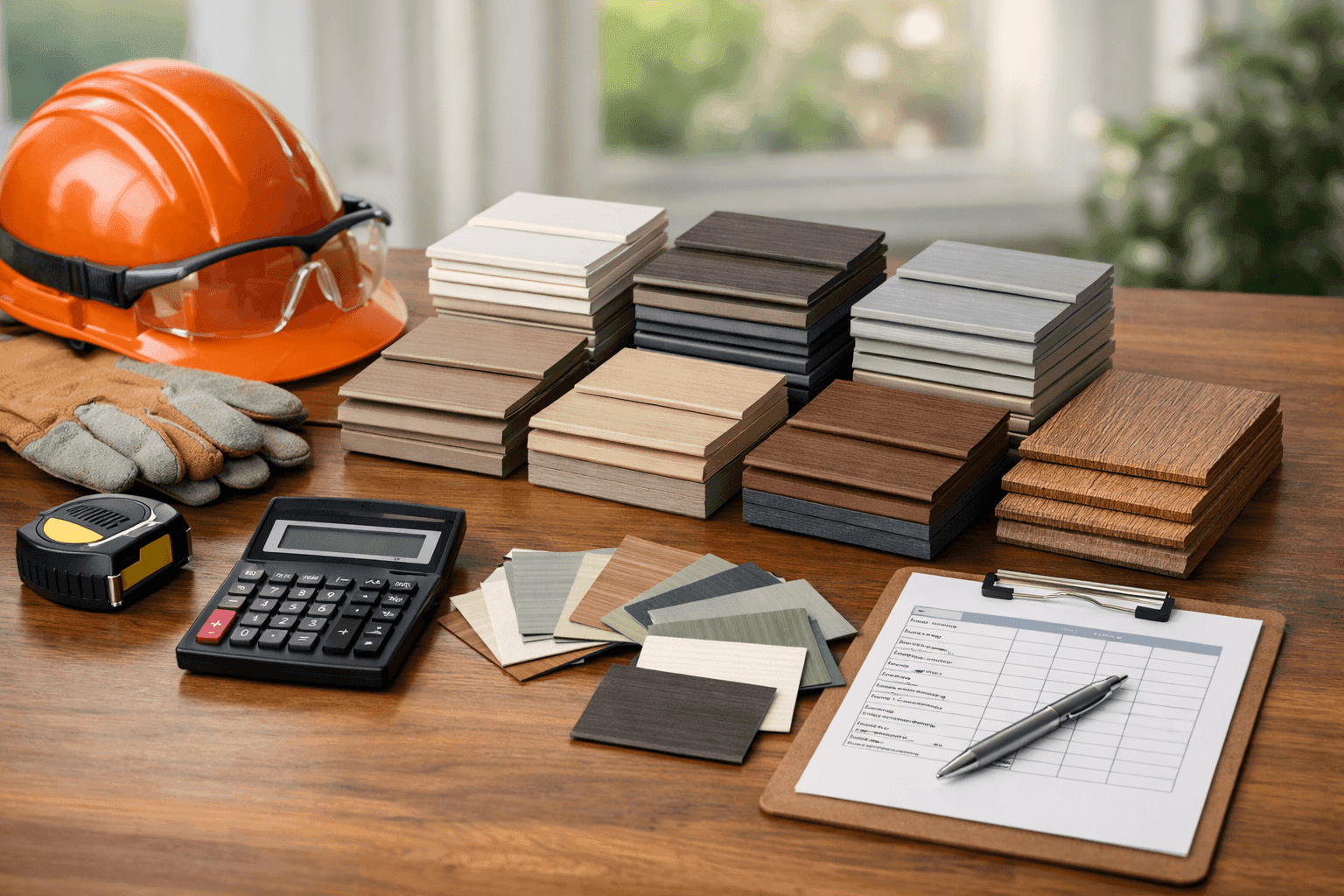
Is your home’s siding looking tired, faded, or maybe even letting in drafts? The moment you start thinking about new siding, one question always pops up: “How much is this going to cost me?” You’re not alone. At Schaefer Exteriors, we meet homeowners every week who want the real numbers behind siding projects before they take the leap.
Replacing siding isn’t just a facelift—it’s an investment in curb appeal, comfort, and long-term value. But the dollars and cents? Those can feel like a mystery. Let’s break it down together, so you can plan with confidence and sidestep those “wish I’d known” surprises.
Siding Project Costs: The Big Picture
Picture your home as a blank canvas. Every choice you make—color, material, finish—leaves a mark on your budget. The real cost of new siding depends on a handful of factors working together:
- Material: From vinyl to fiber cement to wood or metal, each brings its own price tag.
- Home Size & Shape: Larger, taller homes need more materials and labor.
- Prep Work: Old siding removal, repairs, and surface prep can add hours and dollars.
- Labor: Skilled installation is key for safety and warranty, and it’s a big part of the bill.
- Insulation & Underlayment: Upgrades here can boost efficiency but increase up-front cost.
- Trim & Details: Windows, doors, corners, and decorative accents each add complexity.
Like assembling a puzzle, every piece influences the final picture—and price.
Siding Materials: What Are You Really Paying For?
Choosing a siding material is a lot like picking the right pair of shoes. You want something that fits your style, handles your climate, and lasts through every season. Here’s what you can expect for major siding types (all prices per square foot, installed):
- Vinyl Siding: $5–$10. Budget-friendly, low maintenance, dozens of colors.
- Fiber Cement Siding: $8–$16. Durable, fire-resistant, mimics wood grain—ask about our Fiber Cement Siding Installation.
- Wood Siding: $9–$18. Classic charm, but needs regular care and repainting.
- Metal Siding: $10–$20. Modern, sturdy, resists pests and fire.
- Stucco Siding: $8–$15. Textured finish, best for dry climates.
Prices shift with region, home size, trim, and other choices. The key? Get a detailed Siding Material Consultation to match your vision and budget.
Hidden Costs Homeowners Overlook
No one likes a surprise on their bill. Here are a few items that can sneak up:
- Old Siding Removal: Dump fees and labor can add $1,000–$3,000.
- Repairs Beneath the Surface: Water damage, rot, or pest issues may only show up after demo.
- Permits and Code Requirements: Most towns require permits and code inspections—budget a few hundred dollars.
- Extra Trim, Moldings, or Custom Features: Fancy details mean more labor and material.
- Weather Delays: Rain or extreme temps can stretch timelines and, sometimes, costs.
We believe in upfront estimates, so your siding project stays on track and on budget.
Size, Shape, and Style: The Home Factor
A cozy cottage and a sprawling two-story have very different needs. The taller your home, the more scaffolding, safety gear, and skilled labor are needed. Complex rooflines or lots of windows? That means more precise cutting and finish work.
A typical 2,000-square-foot home might need $10,000–$30,000 for new siding, depending on your choices. That’s a wide range—so we always tailor estimates for your home’s unique shape.
Prep Work: More Than Just a Fresh Face
Old siding doesn’t just disappear. Removing it safely matters—especially if it’s hiding mold, rot, or outdated materials. We follow EPA and local codes for safe removal and disposal, keeping your property (and family) protected.
Prep work isn’t glamorous, but it’s where skilled pros can save you headaches down the road.
Labor: Why Skilled Hands Matter 🛠️
Installing siding isn’t just about nailing boards or panels. Each step—from flashing to caulking to weatherproofing—protects your home for decades. Trained crews spot issues before they become problems and follow manufacturer guidelines so your warranties stay valid.
Labor often accounts for 30–50% of your total cost. It’s not just about speed—it’s about doing it right, the first time.
Insulation and Energy Upgrades
Siding isn’t just a shell. It’s a chance to boost your home’s comfort and cut energy bills. Adding insulation or a weather barrier can bump up the upfront cost by $1–$4 per square foot, but pays off in lower heating and cooling bills every month.
According to the U.S. Department of Energy, properly insulated homes can save up to 15% on energy costs. That’s money staying in your pocket year after year.
Trim, Moldings, and the Little Things
Ever notice the crisp lines around windows and doors on a beautiful home? That’s trim and molding. These accents complete the look—but also protect vulnerable seams from weather and pests.
Expect to budget extra for premium trim, especially if you want bold colors or custom profiles. Our team specializes in seamless trim and molding installation for a polished finish.
The ROI: Resale, Comfort, and Curb Appeal
A new siding project isn’t just an expense—it’s an investment. According to Remodeling Magazine’s Cost vs. Value Report, siding replacement can recoup 70–80% of its cost at resale. That’s one of the best returns among exterior home upgrades.
But ROI isn’t just dollars. New siding means:
- Lower maintenance and repair costs.
- Improved insulation and indoor comfort.
- Better protection against storms and pests.
- A home exterior you’ll be proud to come home to.
Budgeting Tips: How to Plan Without the Panic
Sticker shock is real—but it doesn’t have to be part of your siding journey. Here’s how to budget smart:
- Get a Detailed Estimate: Ask for a line-by-line quote, not just a single number.
- Prioritize Needs vs. Wants: Energy upgrades, quality materials, and proper prep come first.
- Plan for Contingencies: Set aside 10–15% above your estimate, in case hidden issues pop up.
- Ask About Phasing: Some upgrades can wait, so you can break projects into manageable parts.
- Know Your Financing Options: Many homeowners use home equity loans or financing to spread out costs.
An honest conversation with your siding company can help you set realistic expectations and avoid surprises.
DIY vs. Pro Installation: What’s Really at Stake?
Some homeowners consider tackling siding themselves. It’s tempting—until you realize what’s involved:
- Safety Risks: Ladders, power tools, and heavy materials mean real injury potential.
- Local Codes: Professional installers know which products meet fire, wind, and building codes.
- Warranties: Many manufacturers require certified installers to honor warranties.
- Finish Quality: Gaps, uneven seams, and misaligned panels can hurt curb appeal and let in water.
A professional job isn’t just faster—it’s safer and protects your investment.
Siding Maintenance: Protecting Your Investment 🧽
Once your new siding is up, a little maintenance goes a long way. Here’s a quick checklist:
- Inspect Annually: Look for cracks, loose panels, or damaged trim.
- Clean Gently: Use mild soap and water—no pressure washers on delicate materials.
- Touch Up Paint or Caulk: Address chips or gaps to keep moisture out.
- Clear Gutters and Downspouts: Overflow can damage siding and foundations.
Following manufacturer care guidelines helps your siding last for decades.
Warning Signs: When It’s Time for Siding Replacement
Not sure if your siding is past its prime? Watch for:
- Warping, buckling, or bulging panels.
- Cracked, faded, or peeling paint.
- Mold, mildew, or rot beneath the surface.
- High heating or cooling bills.
- Storm or hail damage.
Addressing issues early can save you money on deeper repairs later. We always recommend a professional siding inspection if you’re unsure.
The Timeline: What to Expect From Start to Finish
Most residential siding projects take 1–2 weeks from start to finish, depending on weather and home size. Here’s a typical flow:
- Siding Color Consultation and material selection.
- Permit application and detailed estimate.
- Old siding removal and prep work.
- New siding and trim installation.
- Final inspection and cleanup.
We keep you informed every step of the way, so there are no mysteries—just progress.
Siding and Storms: Emergency Repairs and Insurance
Storms happen. When they do, damaged siding can leave your home vulnerable. If you need emergency siding services, act fast to prevent water intrusion or pest problems. Always document damage for insurance claims, and ask your contractor for help navigating the process.
We’ve helped countless homeowners restore peace of mind after hail, wind, or fallen branches.
Local Experience Matters
Every region has its quirks—humidity, hail, sun, or snow. That’s why it’s smart to work with siding specialists who know local building codes and climate challenges. If you’re searching for siding services, we’re here to help with local insight and proven results.
Your Siding Questions—Answered
Q: How do I pick the right color and material?
A: Start with a Siding Color Consultation near you. We’ll consider your climate, home style, and long-term needs.
Q: Will new siding really save on energy costs?
A: Absolutely—especially with added insulation or modern materials. See the U.S. Department of Energy’s guidelines for more information.
Q: How do I avoid hidden costs?
A: Ask for a detailed, line-by-line estimate, and don’t be afraid to ask questions about prep work and potential contingencies.
Q: Is fiber cement siding worth the price?
A: Many homeowners choose it for its durability, fire resistance, and low maintenance. It’s especially popular for families who want a wood look with less upkeep. Learn more about Fiber Cement Siding Installation.
Ready to get clear, honest answers about the real cost of new siding? At Schaefer Exteriors, we believe in transparent estimates, quality workmanship, and siding solutions that fit your life—not just your budget.
Call Schaefer Exteriors now — or reach us anytime at 877-331-5875 .