The Pros and Cons of Wood Siding
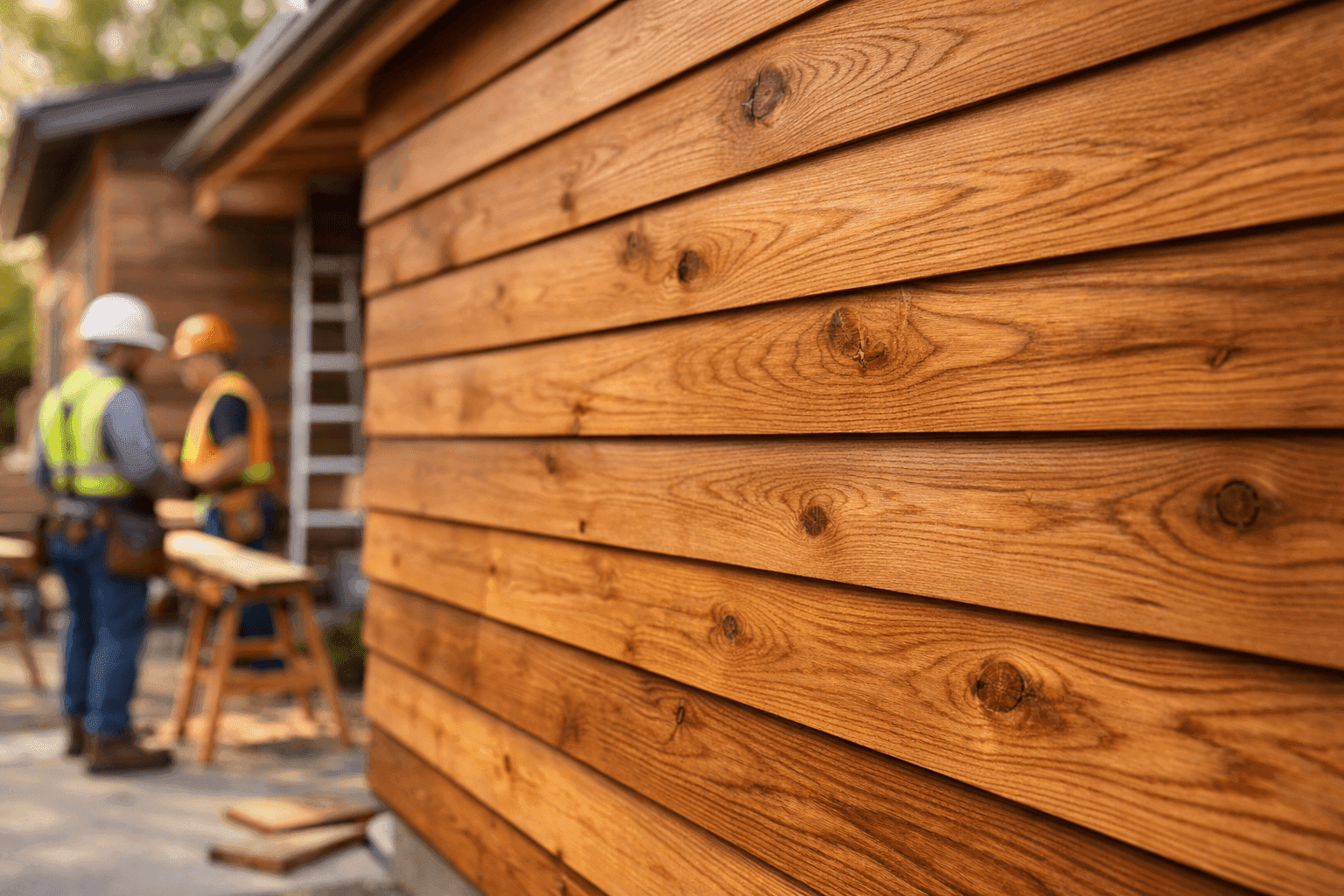
Does your home deserve a warm, inviting look that stands out from the crowd? Are you weighing whether classic wood siding fits your lifestyle and maintenance goals? At Schaefer Exteriors, we understand the crossroads homeowners face when choosing siding. You want beauty, but you need something practical—especially with today’s weather and energy costs.
Wood siding is a timeless choice. But is it the right one for your home? Let’s walk through the honest pros, the real-world cons, and practical tips so you can make a decision you’ll feel good about—for years to come.
The Beauty of Wood Siding: Timeless Curb Appeal
Few things can match the natural charm of wood siding. Each plank, shingle, or shake tells a story—unique grain patterns, textures, and warm hues. Wood siding isn’t just a covering. It’s personality for your home. Whether you prefer a rustic look or sharp modern lines, wood adapts. It’s like dressing your house in a tailored suit—always in style.
Wood is also highly customizable. You can stain it, paint it, or let it weather naturally. With a Siding Color Consultation, you’ll unlock an entire palette of options to match your vision.
Insulation and Comfort: Wood’s Natural Edge
Wood is more than just a pretty face. It’s a natural insulator. Compared to bare masonry or metal, wood helps keep your home comfortable year-round. Think of it as a cozy blanket wrapped around your living space. You’ll notice a difference in both summer heat and winter chills.
While today’s building codes often require added insulation, wood siding still contributes to overall energy efficiency. The U.S. Department of Energy points to wood’s insulating properties as a reason for its continued use in residential construction.
Sustainability and Environmental Benefits 🌲
If eco-friendly living matters to you, wood deserves a closer look. Responsibly sourced wood siding is renewable and biodegradable. Many mills use managed forests, replanting trees for every one harvested. This makes wood a greener option compared to some synthetic materials—especially when you choose certified wood from organizations like the Forest Stewardship Council (FSC).
Wood’s smaller carbon footprint and recyclability mean it’s friendlier to the earth from production to disposal.
The Downside: Maintenance Is Part of the Package
Here’s the catch: wood siding isn’t set-and-forget. Like a classic car, it needs regular care. Without attention, wood siding can become vulnerable to the elements—moisture, sun, and pests. Expect to repaint or restain every 3–7 years, depending on your climate and chosen finish.
Routine siding maintenance matters. Neglect leads to peeling paint, warping, or decay. But with a little planning, you can keep wood siding looking sharp for decades.
Susceptibility to Rot, Insects, and Moisture
Wood’s biggest enemies are water and bugs. Rot can set in if boards stay wet. Carpenter ants and termites see wood siding as a feast. In humid or rainy regions, vigilance is key.
What can you do? Promptly fix leaks. Keep gutters clear. Trim back shrubs. These simple steps go a long way. Using treated wood or naturally resistant species—like cedar or redwood—also helps.
Upfront Cost Considerations
Let’s talk numbers. Wood siding usually costs more upfront than vinyl or fiber cement. That’s especially true for premium woods or custom details. You’re paying for the real thing—a handcrafted look that synthetic options can only mimic.
Remember, though: some of that investment comes back through curb appeal and possible resale value. Many buyers love the look and feel of authentic wood.
How to Maximize the Lifespan of Wood Siding
Protecting your investment isn’t rocket science. Here’s what works:
- Regular Inspections: Walk around your home every season. Check for cracked paint, soft spots, or signs of pests.
- Keep it Clean: Rinse dirt and debris off with a hose a few times a year. Avoid power washing, which can force water behind boards.
- Seal Gaps: Caulk cracks and joints to keep moisture out.
- Paint or Stain: Maintain your finish to shield wood from UV rays and rain.
- Prompt Repairs: Replace damaged boards quickly. Small issues can become big headaches.
Seasonal Considerations and Local Weather
Your region’s climate shapes how much maintenance your wood siding will need. In places with heavy rainfall, snow, or humidity, proactive upkeep is even more important. Before hurricane or storm season, check for loose boards and damaged caulking.
For residents seeking Siding Maintenance, understanding local weather impact helps you plan ahead and avoid surprises.
Common Mistakes Homeowners Make
- Ignoring small cracks or peeling paint. Water gets in, and rot follows.
- Letting gutters overflow. Water pours down the siding, increasing rot risk.
- Skipping routine cleaning. Dirt hides trouble spots.
- Choosing the wrong paint or stain. Always use products designed for exterior wood.
DIY or Pro? When to Call Schaefer Exteriors
Some homeowners love hands-on projects—repainting, sealing, or cleaning. But major repairs, siding replacement, or full installations are best left to professionals. We follow building codes, use proper flashing, and ensure ventilation so your siding lasts.
If you spot signs of rot, warping, or insect damage, don’t wait. Early intervention saves money and preserves your home’s structural integrity.
Warranties and Sourcing: What to Ask
Quality matters. Always ask about:
- Wood Source: Is it from a reputable, sustainable supplier?
- Treatment: Has the wood been pressure-treated or naturally selected for durability?
- Warranties: What’s covered, and for how long? Some manufacturers offer limited warranties against defects or rot.
We’re happy to walk you through options and answer your questions before any project begins.
Energy Codes and Safety Guidelines
Before starting any siding project, check your local building codes. Many areas require minimum insulation levels and specific installation standards to prevent moisture buildup. The International Residential Code (IRC) sets out requirements for siding materials and weatherproofing. Following these standards isn’t just about compliance—it’s about protecting your home and family.
How Long Does Installation Take?
Wood siding installation is a craft. Timelines depend on your home’s size, siding style, and weather. Most residential jobs take from several days to a couple of weeks. We always keep disruptions to a minimum and communicate clearly from day one.
Is Wood Siding Right for Your Home?
Think about your goals. Do you love natural materials and enjoy some home upkeep? Are you drawn to the unique look and feel of real wood? Or do you want the lowest-maintenance siding possible? There’s no wrong answer—just the one that fits your lifestyle.
If you want siding that’s warm, classic, and adaptable, wood is a strong contender. With the right care, it’ll reward you with years of beauty and comfort.
Final Thoughts: Ready for Wood Siding? 🌤️
Choosing wood siding is a decision with both heart and head. It’s about style, comfort, and commitment to your home’s future. Weigh the pros. Consider the cons. And remember—regular siding maintenance is the key to getting the most from your investment.
Call Schaefer Exteriors now — or reach us anytime at 877-331-5875 .