The Best Siding Options for Humid Climates
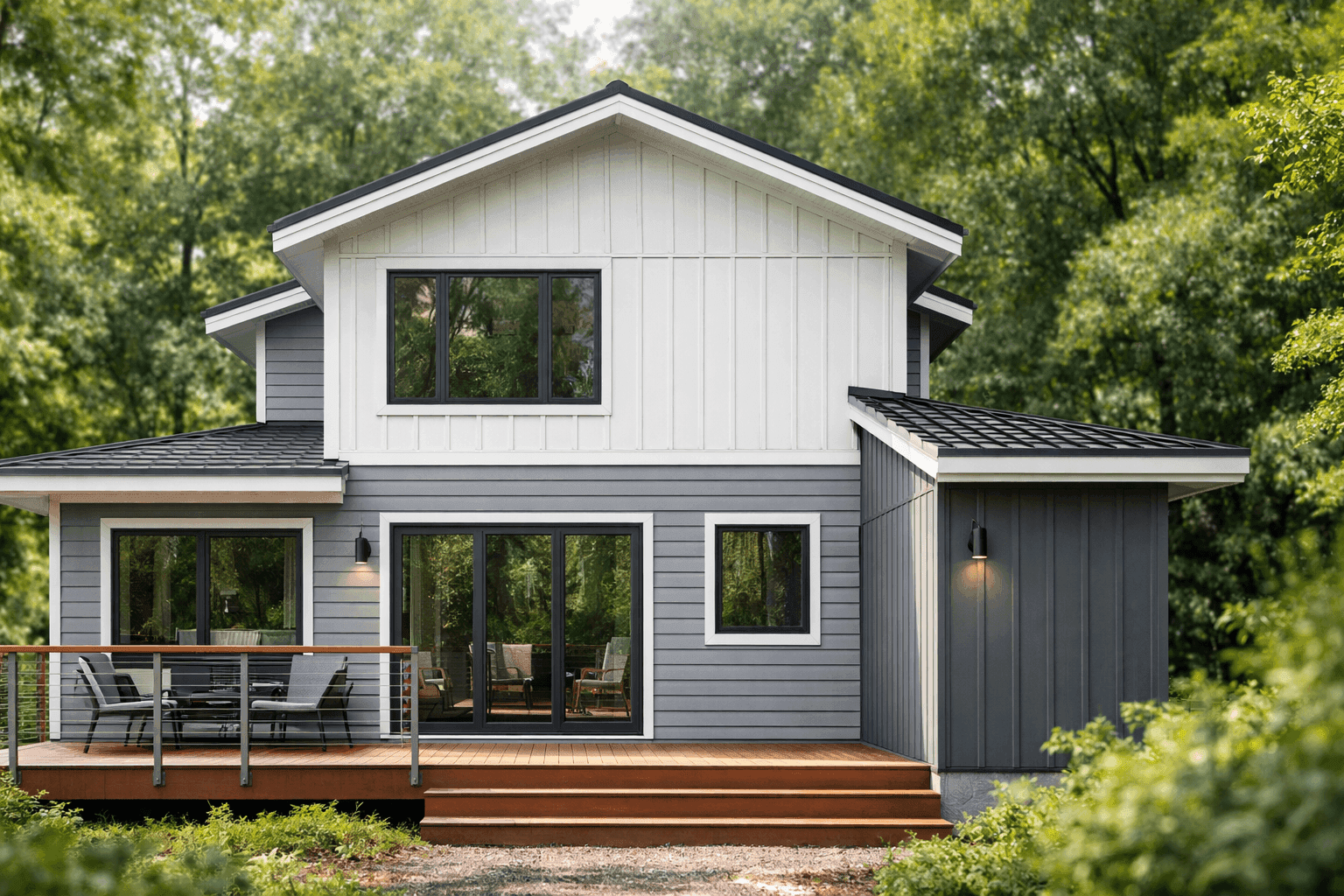
Humidity clings to everything. In some places, it feels like breathing through a wet towel. Your home’s siding faces this challenge every day—fighting off moisture, mold, and heat. Pick the wrong material, and you’re not just facing a faded paint job—you could be looking at warping, rot, and repairs that never seem to end.
At Schaefer Exteriors, we know siding inside and out. We’ve seen what humidity can do, and we help homeowners choose wisely, so their investment stands the test of sticky summers and damp winters.
Why Humid Climates Are Tough on Siding
When the air is heavy with moisture, siding can act like a sponge. Some materials soak it up, swelling or popping nails. Others trap water behind them, quietly breeding mold and mildew. Over time, this can mean peeling paint, warped boards, and hidden rot that threatens your home.
The right siding acts as your home’s raincoat and shield. It keeps water out, but it also lets moisture escape so things can dry out naturally. That’s how you avoid the cycle of damage and repair.
Siding Materials That Stand Up to Humidity 🛡️
Here’s what pros recommend for damp, humid climates:
1. Fiber Cement Siding
Fiber cement combines cement, sand, and cellulose fibers. It’s tough as nails—resistant to moisture, insects, and fire. Unlike wood, it won’t swell or rot when the humidity rises.
- Benefits: Mold-resistant, won’t warp, holds paint well
- Maintenance: Occasional cleaning, repaint every 10–15 years
- Pro tip: Make sure it’s installed with enough clearance from the ground to prevent wicking up water
2. Vinyl Siding
Vinyl is popular for a reason. It shrugs off rain, doesn’t rot, and won’t attract termites. Modern vinyl is also less prone to fading or cracking.
- Benefits: Low maintenance, doesn’t absorb moisture, lots of color options
- Maintenance: Hose it down a couple of times a year
- Caution: Look for insulated panels for better performance in muggy weather
3. Metal Siding (Aluminum and Steel)
Metal siding acts like armor. It won’t warp, rot, or feed mold. Aluminum resists corrosion, while steel is known for its strength.
- Benefits: Fireproof, pest-resistant, nearly waterproof
- Maintenance: Occasional washing; check for dings or scratches that can lead to rust on steel
- Sustainability: Recyclable—ask about eco-friendly options
4. Specially Treated Wood Siding
Wood is beautiful, but humidity is its enemy—unless it’s treated. Treated wood siding is infused with preservatives that help it resist rot, insects, and moisture.
- Benefits: Classic look, can be painted or stained
- Maintenance: Needs regular sealing and inspection for cracks or gaps
- Tip: Use only wood rated for ground contact and humid environments
5. Stucco Siding
Traditional stucco is a mix of cement, sand, and lime. With the right installation, it forms a shell that keeps out moisture but lets vapor escape.
- Benefits: Breathable, fire-resistant, natural mold deterrent
- Maintenance: Inspect for cracks and repair promptly to prevent water intrusion
- Note: Modern stucco systems often include additional waterproof barriers
What to Look for in Siding for Humid Climates
Shopping for siding is like shopping for a rain jacket. You want it to keep water out, but let air move so you don’t get clammy underneath.
Here’s what matters:
- Moisture resistance: Materials that won’t soak up water or let it linger
- Ventilation: Systems that let trapped humidity escape
- Proper installation: Flashing, caulking, and sealed seams are a must
- Warranty coverage: Check if the manufacturer covers moisture-related damage
Preventing Mold, Mildew, and Warping
Moisture is sneaky. A tiny gap can become a mold farm. That’s why professional installation and routine maintenance are key.
- Regular cleaning: Wash siding to remove dirt and pollen—these trap moisture
- Gutter care: Clean gutters and downspouts so water flows away from your home
- Caulk & seal: Inspect joints, seams, and trim annually
- Check ventilation: Attics and crawlspaces need proper airflow to keep siding dry from the inside out
The U.S. Department of Energy and the International Residential Code both stress the importance of moisture barriers and proper flashing in humid climates. Following these guidelines keeps your home healthy—and your siding looking sharp.
Common Signs Your Siding Isn’t Handling Humidity
Act early if you notice:
- Bubbling or peeling paint
- Soft, spongy spots on siding or trim
- Black or green patches (mold/mildew)
- Gaps, warping, or loose boards
Small problems can turn big fast in muggy weather.
DIY or Call in the Pros?
Cleaning and caulking are great DIY projects. For anything else—especially installing new siding or repairing storm damage—professional help is best. Humid climates demand tight seams, hidden moisture barriers, and sharp craftsmanship to keep water out for good.
If you’re unsure, a Siding Material Consultation near you takes the guesswork out of the equation.
Emergency Siding Concerns in Humid Weather
During heavy storms, siding can take a beating. After a storm, check for:
- Dents, cracks, or missing panels
- Water stains inside or out
- Soft spots near doors and windows
Don’t wait—quick repairs can stop water from sneaking in where it doesn’t belong.
Maintenance Checklist for Humid Regions 🧰
Keep your siding healthy with these habits:
- Hose off dirt and pollen every spring and fall
- Trim shrubs and trees to allow airflow behind siding
- Check caulking and joints after heavy rain
- Inspect attic and crawlspace ventilation
- Schedule a professional inspection every 2–3 years
Seasonal Tips: Wet vs. Dry
Humidity can spike with the seasons. In summer, siding faces relentless moisture. In winter, trapped humidity can freeze and damage boards.
- Summer: Clean debris and check for algae or mildew
- Winter: Look for ice dams or frost; make sure gutters are clear
Eco-Friendly Siding Choices
Worried about your environmental footprint? Many modern options blend performance with sustainability:
- Recycled-content fiber cement or metal siding
- Insulated vinyl panels for energy savings
- Treated wood from certified forests
Ask us about Eco-Friendly Siding Options for your project.
Real-World Costs and Timelines
Material costs vary, but so does the lifetime value. Fiber cement and metal may cost more upfront, but their resistance to rot and pests often makes them less expensive in the long run. Vinyl is budget-friendly and quick to install. Treated wood and stucco require more regular checkups but reward you with classic style.
A typical siding project can take anywhere from a few days to two weeks, depending on the size of your home and complexity of the installation. Expect some noise and dust, but a good crew will keep disruption to a minimum.
Frequently Asked Questions
Q: Is fiber cement really worth the investment?
A: In humid climates, fiber cement’s durability and mold resistance make it a smart choice for many homeowners.
Q: Can I paint vinyl siding?
A: Some types can be painted, but it’s best to choose a color you love from the start.
Q: How do I know when to replace my siding?
A: If you see warping, rot, or mold that keeps coming back, it’s time for an upgrade.
Q: Who do I call for a siding inspection?
A: Schaefer Exteriors provides thorough inspections and can recommend the right solution for your climate.
Final Thoughts: Choose Siding That Breathes Easy
Your home deserves siding that stands up to sticky, humid weather year after year. Choose materials proven to resist mold, mildew, and warping. Pay attention to installation and maintenance, and you’ll keep your home dry and beautiful—no matter what the forecast brings.
For more tailored advice, check out our Siding Material Consultation page to connect with local specialists who understand the demands of humid climates.
Call Schaefer Exteriors now — or reach us anytime at 877-331-5875 .