The Benefits of Insulated Siding
Is your home chilly in winter and stuffy in summer? That’s a sign your walls might not be pulling their weight. Siding does more than look good—it’s your home’s first line of defense. But not all siding is created equal.
At Schaefer Exteriors, we know that comfort, efficiency, and peace of mind matter. Here’s why insulated siding is the unsung hero you should consider.
What Is Insulated Siding?
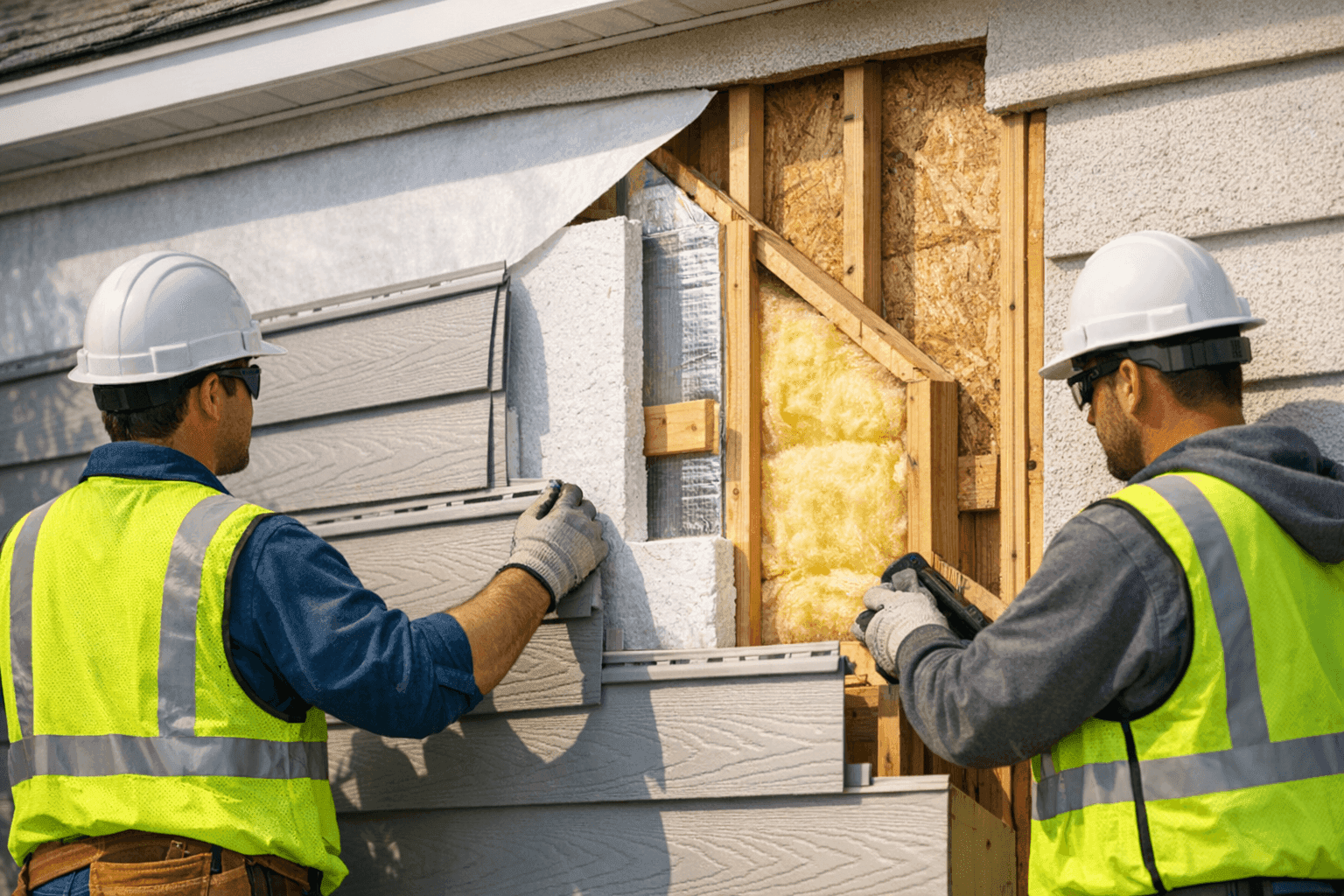
Imagine wrapping a cozy blanket around your house. That’s what insulated siding does—just smarter and tougher. It combines traditional siding panels (like vinyl or fiber cement) with a rigid foam insulation layer fused to the back. This “sandwich” locks in comfort and keeps the elements out.
Industry standards, such as those from the Vinyl Siding Institute, recognize insulated siding as a cladding that improves thermal performance and weather resistance.
How Is Insulated Siding Built?
Let’s break it down. The siding panel sits on top. The foam insulation—usually expanded polystyrene (EPS)—is precisely contoured to fit the panel. This fusion creates a firm, gap-free bond with your exterior walls. No air pockets. No room for drafts.
Think of it like a puzzle piece that clicks into place—custom fit, sturdy, and ready for the long haul.
Home Energy Savings: A Real-World Impact
The U.S. Department of Energy notes that up to 35% of a home’s heat can leak out through under-insulated walls. Insulated siding acts like a thermos, reducing heat loss in winter and heat gain in summer. Homeowners often see energy bills drop by an average of 10–20% after upgrading to insulated siding (source: ENERGY STAR®).
That’s not just comfort. That’s year-round savings.
Sound Dampening: Enjoy a Quieter Home
Does traffic noise or the neighbor’s mower seep into your living room? Insulated siding helps muffle outside sounds. The dense foam absorbs and blocks unwanted noise, so your home feels more peaceful—even on a busy street.
It’s like closing a window against the world’s racket.
Durability: Built for Weather and Time
Standard siding can warp or crack from sudden temperature changes or stormy weather. Insulated siding’s firm backing reinforces each panel. It stands strong against hail, wind, and daily wear—less likely to rattle or loosen.
This means lower maintenance, fewer repairs, and a longer life for your exterior investment.
Insulated Siding vs. Standard Siding: What’s the Difference?
Here’s the heart of the matter. Standard siding covers your home, but it doesn’t add much thermal value. Insulated siding, with its foam core, boosts your home’s R-value (the measure of insulation strength).
- Standard siding: Primarily cosmetic and protective.
- Insulated siding: Adds both protection and energy efficiency.
While insulated options cost more up front, they typically recoup that cost over time through lower utility bills and increased home value.
Evaluating the ROI: Is It Worth It?
Every home is different. Consider these tips:
- Climate: Colder and hotter regions benefit most from added insulation.
- Energy bills: High bills? The payoff may be faster.
- Resale: Energy-efficient upgrades are attractive to buyers.
- Maintenance: Fewer repairs mean more savings over the years.
The Department of Energy recommends evaluating wall insulation upgrades as part of any siding replacement—be sure to factor this into your decision.
Installation: How the Process Works
Worried about disruption? Here’s how Schaefer Exteriors makes it seamless:
- Consultation: We assess your home, recommend materials, and detail the process. Need help choosing? Our Siding Material Consultation guides you through the options.
- Preparation: Old siding is removed if needed. We inspect for hidden issues—rot, pests, or moisture.
- Insulation Application: Rigid foam insulation is expertly fit to each wall, eliminating gaps.
- Panel Installation: Siding panels are installed with precision, ensuring secure fit and smooth finish.
- Final Checks: We review every detail, from trim to weatherproofing.
Our team follows all local building codes and industry best practices, so your upgrade meets or exceeds safety standards.
Quick Safety Checklist for Homeowners 🏡
Before installation:
- Move outdoor furniture and decor away from walls.
- Secure pets and children indoors.
- Double-check for nearby power lines or hazards.
- Ask your installer about workplace safety protocols.
Following OSHA guidelines, our crews maintain a safe environment from start to finish.
When Should You Consider Insulated Siding?
Timing matters. Here are some signs it’s time to upgrade:
- High heating or cooling bills that keep rising.
- Walls that feel cold in winter or hot in summer.
- Peeling paint, warping, or cracked siding.
- Noise pollution from outside.
- Planning to sell and want to boost curb appeal and value.
If you’re planning other exterior updates—like window replacement or adding insulation—consider tackling them together for maximum benefit.
Common Mistakes to Avoid
- Skipping insulation: Installing new siding without insulation is a missed opportunity for energy savings.
- DIY gone wrong: Improper installation can cause water leaks or poor performance.
- Ignoring ventilation: Be sure soffit and attic ventilation are addressed—trapped moisture can harm your home.
Professional installation ensures you get the full benefits and avoid costly errors.
Insulated Siding Maintenance: Easy Does It
Good news: insulated siding needs little upkeep. Just:
- Rinse with a garden hose to remove dirt.
- Check caulking and seals annually.
- Inspect for damage after storms.
No painting, no scraping—just long-lasting protection.
How Does Insulated Siding Fit Different House Styles?
From classic wood looks to modern lines, insulated siding comes in a range of colors and profiles. Our Siding Color Consultation can help you match your vision, whether you have a craftsman bungalow or a contemporary ranch.
Cost Factors: What Should You Expect?
- Material: Insulated vinyl is more affordable; fiber cement or premium options cost more.
- Labor: Installation is more involved than standard siding, but pays off in lower energy bills.
- Size: Larger homes require more material and time.
On average, expect to pay 15–25% more than you would for standard siding. But remember, the energy savings and durability often offset this over the years.
FAQs About Insulated Siding
Does insulated siding attract pests?
Not when installed correctly. The foam fits tightly, leaving no room for insects or rodents.
Will it trap moisture?
Modern insulated siding includes channels for drainage and ventilation, following manufacturer and code requirements.
Can I combine it with other insulation?
Absolutely. Pairing insulated siding with attic or wall insulation maximizes comfort and savings.
Timeline and Disruption: What to Expect
Most homes are completed in a week or less, weather permitting. We’ll let you know what to expect so you can plan around the work. Minimal mess, maximum improvement.
Insulated Siding and Your Local Climate
In coastal and humid regions, insulated siding helps prevent moisture intrusion and reduces mold risks. For those searching for siding services in Hampton, it’s a smart investment for comfort and protection year-round.
When to Call the Pros
If your siding is failing, your bills are out of control, or you’re ready for a quieter, more comfortable home, insulated siding is worth a closer look. Schaefer Exteriors is here to guide you from first question to final inspection.
Call Schaefer Exteriors now — or reach us anytime at 877-331-5875 .