Stucco Siding: Installation, Benefits, and Drawbacks
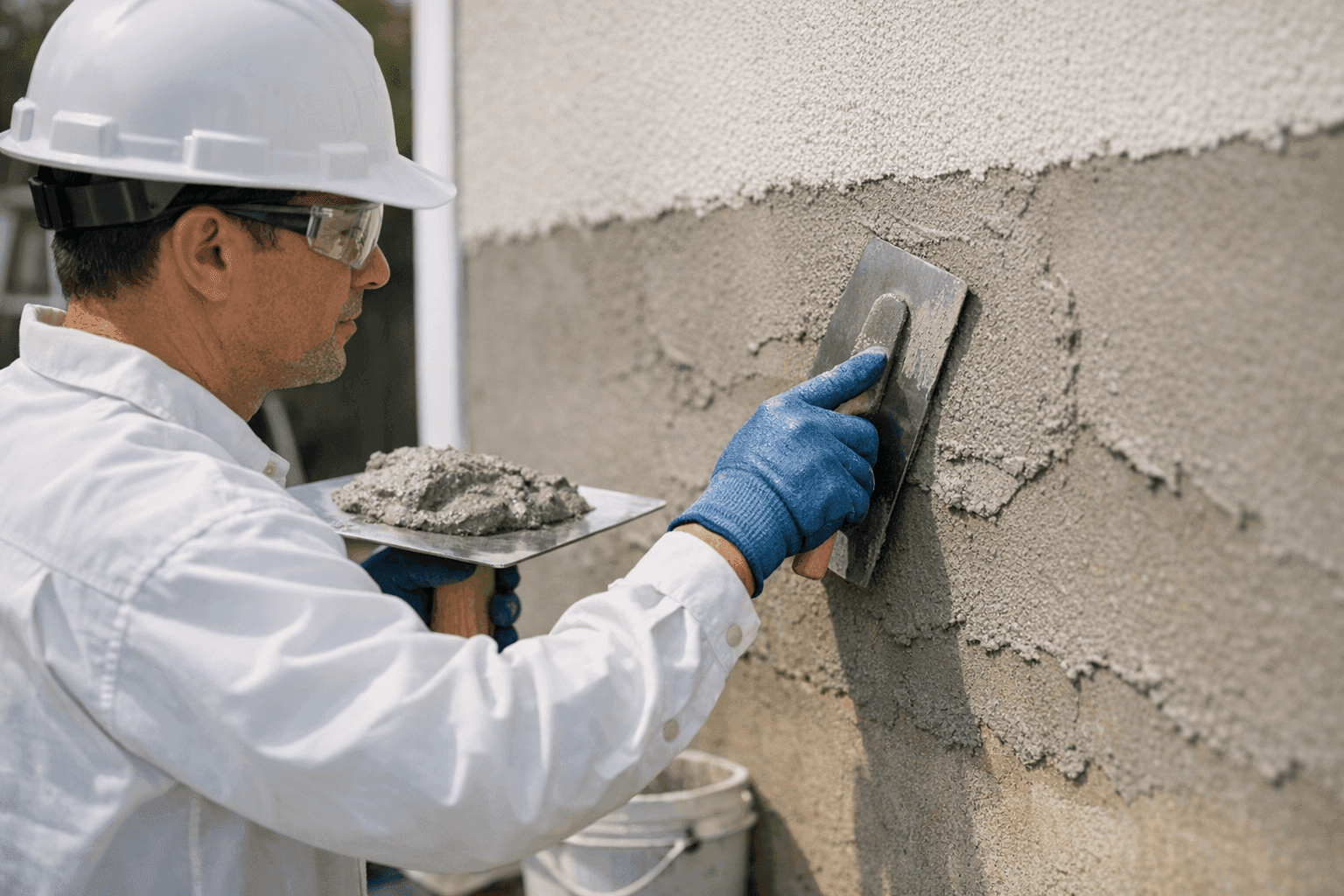
If you’re thinking about a fresh, timeless look for your home’s exterior, stucco siding might be on your list. Maybe you’ve seen it on houses that seem to glow at sunset, or maybe you’re curious about its durability and style. At Schaefer Exteriors, we know that choosing siding is about more than curb appeal—it's about protection, comfort, and lasting value.
Stucco has unique strengths, but it’s not right for every home or climate. Let’s dig into what makes stucco siding tick, how it’s installed, and what you should consider before making the leap.
What Is Stucco Siding? 🏡
Stucco siding is like the cozy sweater of home exteriors—classic, textured, and warm. It’s a blend of cement, sand, lime, and water, applied wet and then hardening into a durable shell. Some call it “plaster for the outdoors.” It’s been used for centuries, with roots tracing back to ancient Mediterranean architecture. Today, you’ll see stucco gracing everything from modern builds to historic homes, especially in regions with dry or mild climates.
Unlike vinyl or fiber cement, stucco isn’t just nailed on—it becomes part of your home’s exterior, creating a seamless, monolithic surface. This gives it a distinct look and feel, setting it apart from lap siding, brick, or even wood.
Installation Steps: How Is Stucco Siding Applied?
Installing stucco siding is a bit like frosting a cake—layers matter. But it’s tougher and built to last. Here’s how the process unfolds:
1. Preparation and Inspection
- Start with a solid substrate—typically plywood or oriented strand board (OSB).
- Inspect for any water or structural damage. Repairs come first. (This is why Siding Replacement often pairs with new stucco installations.)
- Install a water-resistant barrier (like building paper or house wrap) to keep moisture at bay.
2. Lath Installation
- Attach metal lath (a grid-like mesh) over the barrier. This gives stucco something to grip.
- Secure all edges and corners, especially around windows, doors, and trim.
3. Three-Coat Application
- Scratch coat: The first, rough layer. It’s thick and scored while wet to help the next layer stick.
- Brown coat: The middle layer, smoothed but not finished.
- Finish coat: The top layer, hand-troweled for texture and color.
Each layer needs time to cure—usually a day or two between coats. The whole process can take several days to a week, depending on weather and project size.
4. Curing and Sealing
- Let the stucco cure fully. Rushing this step risks cracks.
- Apply a breathable sealer to guard against stains and moisture.
Tip: Always follow local building codes for weatherproofing and flashing. The International Residential Code (IRC) has specific guidelines for stucco installation.
Benefits and Drawbacks: The Honest Breakdown
Why Homeowners Love Stucco
- Timeless Curb Appeal: Stucco offers a range of textures and colors. From smooth and modern to rugged and rustic.
- Fire Resistance: Made mostly of cement and sand, stucco doesn’t burn like wood or vinyl.
- Durability: Properly applied, stucco can last 50 years or more. It shrugs off sun, wind, and, in the right climate, rain.
- Energy Efficiency: Stucco adds thermal mass, helping to insulate your home and regulate temperature swings.
- Low Maintenance: No peeling or rotting. Occasional washing keeps it looking sharp.
What to Watch Out For
- Cracking: Stucco is tough, but it’s not flexible. Movement in your home’s framing or foundation can cause cracks.
- Moisture Sensitivity: In wet climates, stucco can trap water—leading to mold or rot beneath the surface if not properly installed.
- Repairs Can Be Tricky: Matching color and texture on patches takes real skill.
- Not Ideal for Every Region: Freeze-thaw cycles can be hard on stucco, making it less suitable for areas with harsh winters.
How Does Stucco Compare to Other Siding Materials?
- Vinyl Siding: Cheaper and less labor-intensive, but more prone to cracking or fading. Stucco outlasts vinyl in terms of durability and fire resistance.
- Fiber Cement: More flexible and water-resistant than stucco, but doesn’t have the same seamless look. Maintenance needs are similar.
- Wood Siding: Warm and natural, but requires regular painting or sealing. Stucco is less vulnerable to insects and fire.
- Brick or Stone: Both are highly durable but cost more. Stucco offers similar longevity at a lower price point.
Maintenance Needs: Keeping Stucco Strong Over Time 🧽
Stucco is like a well-made fence—low upkeep but not maintenance-free. Here’s what you need to know:
- Inspect Annually: Look for cracks, chips, or areas where moisture might get in. Early repairs prevent bigger issues.
- Clean Gently: Use a soft brush or low-pressure washer. Avoid harsh chemicals.
- Seal as Needed: Reapply breathable sealers every 5–7 years, or as recommended by the manufacturer.
- Address Cracks Quickly: Even small cracks can let in water. For hairline cracks, elastomeric caulk works. Big cracks need professional attention.
- Control Drainage: Make sure gutters and downspouts are clear and working. Gutter Repair helps prevent water from pooling near the foundation.
Stucco holds up best in dry, mild climates. In areas with lots of rain or freeze-thaw cycles, extra care is key—like using special moisture barriers or drainage systems.
Climate Matters: Is Stucco Right for Your Area?
Like a wool coat in summer, stucco isn’t ideal everywhere. It truly shines in regions with:
- Dry or semi-arid conditions (think: Southwest, West Coast).
- Mild winters without frequent freeze-thaw cycles.
In places with heavy rain or humidity, moisture management is critical. Poor installation can lead to serious water damage—a risk that increases in older homes without modern barriers.
Wondering if your location is suited for stucco? Our team at Schaefer Exteriors can provide a Siding Color Consultation and walk you through the best options for your climate.
Common Mistakes to Avoid
- Skipping Prep: Failing to repair damage or install proper barriers sets stucco up for failure.
- Ignoring Cracks: Small cracks turn big fast, especially when moisture gets involved.
- Improper Drainage: Water is stucco’s biggest enemy. Don’t let gutters or flashing fall behind on maintenance.
- DIY Shortcuts: Applying stucco takes skill. Uneven coats, bad mixes, or rushing the cure can lead to costly repairs.
If you’re unsure, call in siding specialists. Stucco’s beauty and longevity depend on a pro’s touch.
DIY or Call a Pro?
Some home repairs are like changing a lightbulb. Stucco installation is more like rewiring the house—it needs experience, the right materials, and an eye for detail.
- DIY: Small patch jobs or cleaning, maybe. Full installation? Best left to professionals.
- Pros Bring: Expertise in mixing, applying, and curing stucco. They know local codes and can spot trouble before it starts.
Want to see what professional Stucco Siding Installation looks like? Our siding company can walk you through every step, from prep to finish.
Design Ideas: Making Stucco Your Own 🎨
Stucco isn’t one-size-fits-all. It’s a blank canvas waiting for your personal touch.
Texture Options
- Smooth: Sleek, modern, and minimalist.
- Sand/Swirl: Subtle movement, hides small imperfections.
- Dash/Spanish Lace: Old world charm, perfect for Mediterranean or Southwestern styles.
Color Choices
- Stucco is naturally neutral, but pigments can be mixed in for nearly any color.
- Earthy tones, crisp whites, or bold shades—stucco holds color well and resists fading.
Accents and Trim
- Pair with wood or stone accents for contrast.
- Decorative trim or molding adds character and depth.
- Use contrasting colors on window frames or doors for a modern twist.
For a truly unique look, our Siding Color Consultation can help you narrow down the right palette.
Signs of Trouble: When Stucco Needs Attention
Keep an eye out for:
- Cracks wider than a pencil: These let in water and need prompt repair.
- Bubbling or staining: Signs of trapped moisture.
- Soft spots: Can indicate underlying rot or mold.
- Chalky surface: Means the finish is wearing down—time to reseal.
Early detection is your best defense. Don’t wait until a small problem becomes a big headache.
Timeline & Disruption: What to Expect
Stucco installation takes time. Prep, layering, and curing can stretch over a week or longer for large homes. You may have some noise and dust, but experienced crews keep disruption to a minimum.
Bad weather can delay work—stucco shouldn’t be applied in rain or freezing temps. Planning ahead helps smooth out the process.
Safety Checklist Before Starting
- Confirm that all electrical and plumbing work is complete before siding installation.
- Use proper scaffolding and safety gear.
- Ventilate work areas, especially during mixing.
- Always follow manufacturer’s instructions and local codes.
Refer to OSHA guidelines for workplace safety, and check the International Residential Code for siding standards.
Costs & Value: Where Does Stucco Land?
Stucco sits in the middle of the siding price range. It’s more expensive than vinyl, but less than brick or high-end stone. The upside? Long-term durability and low maintenance add up to real value.
Factor in:
- Materials and labor
- Repairs to the old substrate
- Sealing and finishes
Budget for periodic resealing and minor repairs over the years. Quality installation pays off with fewer problems down the road.
Final Thoughts: Is Stucco Siding Right for You?
Stucco siding offers a blend of beauty, durability, and energy efficiency that’s hard to match. But it’s not a universal fit. Climate, maintenance habits, and installation quality all play a role.
If you’re considering a new look or needing a Siding Replacement, Schaefer Exteriors is here to help you weigh your options. Our team brings years of hands-on experience and a deep understanding of what makes siding last.
Call Schaefer Exteriors now — or reach us anytime at 877-331-5875 .