Storm Damage to Siding: What to Do Before Help Arrives
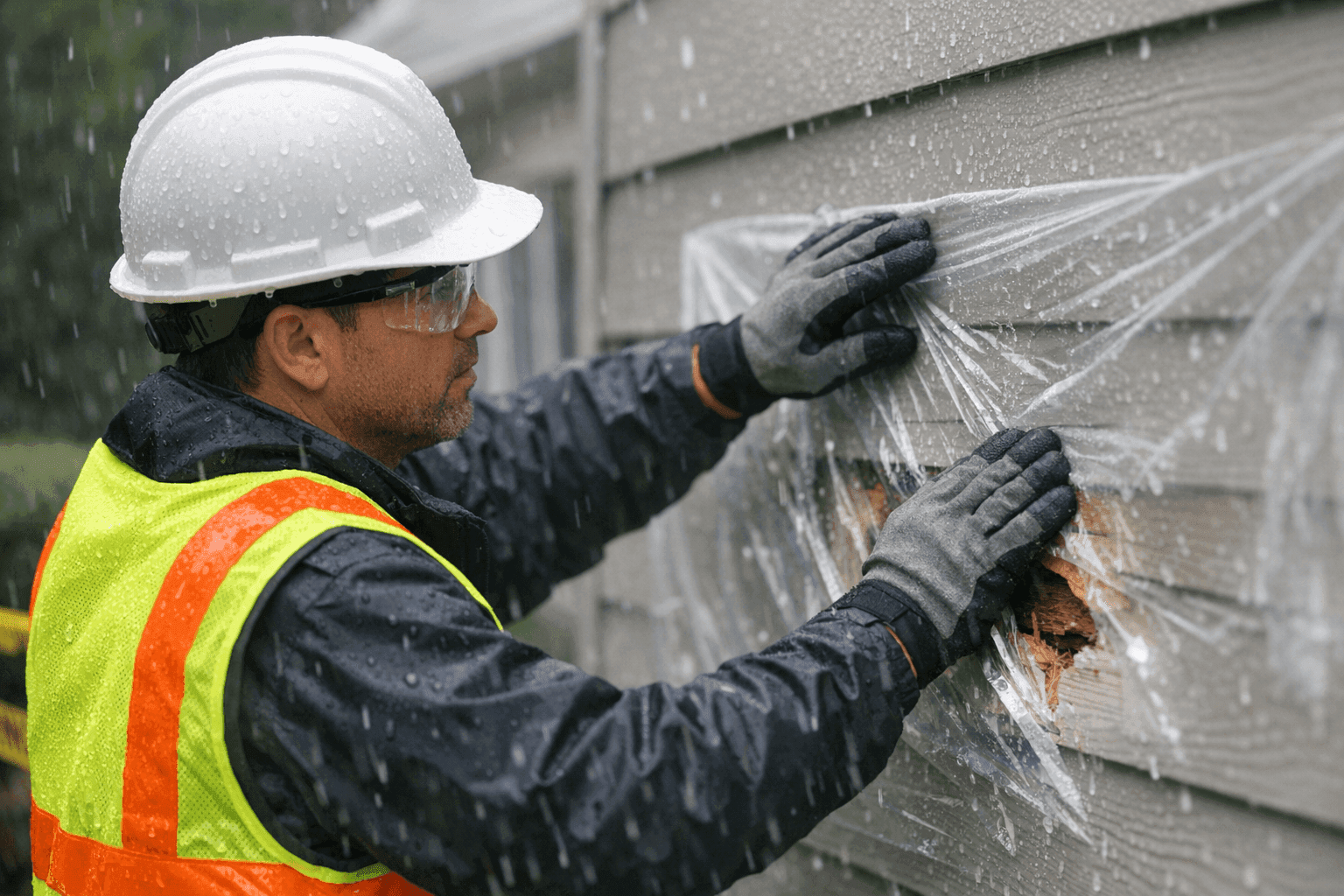
When a fierce storm barrels through, it leaves more than puddles and toppled branches. Your siding is often right in the line of fire. It’s unsettling to see damage where your family should feel safe—and it’s natural to want answers, fast.
At Schaefer Exteriors, we understand how stressful storm damage feels. Before help arrives, a few simple steps can make a world of difference for your home, your safety, and your wallet.
Types of Storm Damage: What Can Happen to Your Siding 🌧️
Not all storms are created equal—and neither is the damage they leave behind. Here’s what to watch for:
- Wind: High winds can rip siding panels loose, bend metal, or hurl debris against your home like a fastball.
- Hail: Hailstones, even the size of marbles, can crack, dent, or shatter siding materials.
- Rain and Flooding: Water finds the smallest gaps, slipping behind siding and setting the stage for mold or wood rot.
- Flying Debris: Fallen branches, blown trash cans, or even fence posts can strike siding with surprising force.
Each type of damage calls for a different response. Recognizing the signs early helps you act with confidence—not panic.
Immediate Safety Precautions: Protect People First
Before you do anything about your siding, make safety your top priority. Here’s a quick checklist:
- Stay Clear of Downed Wires: Never approach any electrical wires. Call your utility company if you spot hazards.
- Check for Structural Threats: If you see major cracks, bowing walls, or hear creaking, leave the area and contact authorities.
- Inspect for Loose Panels: Wind-damaged panels can be sharp. Don’t try to reattach them bare-handed.
- Avoid Slippery Surfaces: Wet or muddy ground near your home can be more dangerous than it looks.
The siding can wait—your safety comes first. The National Weather Service and local emergency management offices provide up-to-date recommendations for post-storm safety.
Knowing the Signs: How to Spot Siding Storm Damage
Storm damage isn’t always obvious. Sometimes the signs are subtle:
- Wavy or buckling panels
- Dents or cracks, especially under windows
- Chipped paint or missing caulking
- Water stains inside, especially near exterior walls
If you can, take photos. Clear documentation helps with insurance claims and speeds up repairs.
Temporary Protection Methods: Shield What You Can
Can’t fix it right away? That’s okay. There are simple steps you can take to reduce further damage until professional help arrives:
- Cover Exposed Areas: Use a tarp or heavy plastic, secured with duct tape or nails (avoid damaging undamaged areas).
- Clear Debris: Remove branches, leaves, or other debris pressed against the siding. Always work from the ground.
- Block Leaks: Place buckets or towels inside where water is coming in.
- Don’t Use Tape on Painted Surfaces: Some adhesives can pull away paint or leave stains.
Remember, these are temporary solutions. Don’t climb ladders or take risks—your well-being is worth more than any piece of siding.
Insurance Documentation: Don’t Skip This Step
Take a deep breath and grab your phone. Here’s what to capture:
- Wide shots of all affected walls
- Close-ups of dents, holes, or missing pieces
- Any fallen debris near the damage
- Water damage inside the home
Write down the date and time, and jot a few notes about what happened. Most insurance companies will want this info. The Federal Emergency Management Agency (FEMA) also has helpful guidance for homeowners documenting storm damage.
When to Call a Professional: Know Your Limits
Some repairs should always be left to the pros. Call for help if:
- There are holes in the siding big enough to let in water or pests.
- You see mold, mildew, or water stains inside.
- Panels are missing or hanging by a thread.
- You feel unsafe or uncertain about the damage.
For urgent needs, Schaefer Exteriors offers Emergency Siding Services to protect your home and peace of mind, day or night.
DIY vs. Professional Siding Repair: Weighing the Risks
It’s tempting to fix things yourself. Sometimes, a little DIY can help. But siding is your home’s armor—if repairs aren’t done right, small issues can turn into big headaches. A professional will:
- Inspect for hidden moisture or insulation problems
- Use code-approved materials and methods (per International Residential Code)
- Ensure lasting protection with proper caulking, flashing, and sealing
For complex or widespread damage, it’s best to rely on a siding repair specialist.
The First 24 Hours: Why Acting Fast Matters ⚡
The clock starts ticking as soon as the storm passes. Delaying repairs can:
- Let water seep into walls, causing mold or rot
- Invite pests through gaps or cracks
- Reduce your chances of a successful insurance claim
Quick action—like covering holes or calling for help—can save money and future headaches.
Emergency Siding: When Is It Critical?
Not all damage is an emergency. Here are signs you need immediate help:
- Water pouring inside or soaking insulation
- Broken or missing siding after severe weather
- Dangerous debris still clinging to your walls
- Electrical outlets or wiring exposed
In these cases, don’t wait. Call a professional who can provide storm-damage-repair services right away.
Common Mistakes to Avoid
Even with the best intentions, some actions can make things worse:
- Ignoring small cracks: Tiny gaps can grow fast with rain and wind.
- Using the wrong fasteners: Not all nails or screws are meant for siding—some can cause more damage.
- Climbing ladders in wet conditions: Slips and falls happen more than you’d think.
- Skipping documentation: Missing photos or receipts can delay your insurance claim.
When in doubt, step back and call for help.
Materials Matter: What Holds Up Best Against Storms?
Not all siding is created equal. Vinyl, fiber cement, wood, and metal each react differently to storms:
- Vinyl: Flexible, but can crack or blow off in high winds
- Fiber Cement: Resists impact, but can chip with severe hail
- Wood: Beautiful, but vulnerable to water without proper sealing
- Metal: Durable, but may dent or scratch
If you’re considering replacement, a Siding Color Consultation near you can help you choose durable, weather-ready options for your style and budget.
Seasonal Considerations: Preparing for What’s Next
Storm season isn’t just a one-off. Regular maintenance keeps your siding in shape all year:
- Inspect panels each spring and fall
- Clean gutters and downspouts
- Re-caulk windows and trim before storms hit
- Schedule a professional siding inspection annually
Simple routines now mean fewer surprises when the weather turns rough.
How Long Will Repairs Take? Realistic Timelines
No two repairs are the same. Minor fixes might take an afternoon. Larger jobs—especially after widespread storms—can stretch to several days, depending on material availability and weather. Your siding contractor will keep you informed every step of the way.
What to Expect When the Pros Arrive
When Schaefer Exteriors shows up, here’s what happens:
- Assessment: We inspect all affected areas, inside and out.
- Temporary Safety Fixes: If needed, we secure tarps or barriers right away.
- Detailed Estimate: You get a clear explanation of what needs to be done.
- Scheduled Repairs: We’ll work with your schedule—no surprises.
Our team is trained in the latest building codes and safety practices, so you can rest easy.
Preventing Future Storm Damage
A little investment now can prevent headaches later:
- Upgrade to impact-resistant siding materials
- Add proper flashing and weatherproofing
- Keep trees and shrubs trimmed away from your home
- Schedule regular siding maintenance
If you’re curious about prevention, our team can help with solutions tailored to your home’s needs.
For Our Neighbors in Concord
If you’re looking for siding services after a storm, our Siding Repair team is ready to help families in the Concord area recover quickly and safely.
Storms strike fast, but you don’t have to face the aftermath alone. Schaefer Exteriors is here to help, day or night. Call Schaefer Exteriors now — or reach us anytime at 877-331-5875 .