Storm Damage and Your Siding: What to Check After Bad Weather
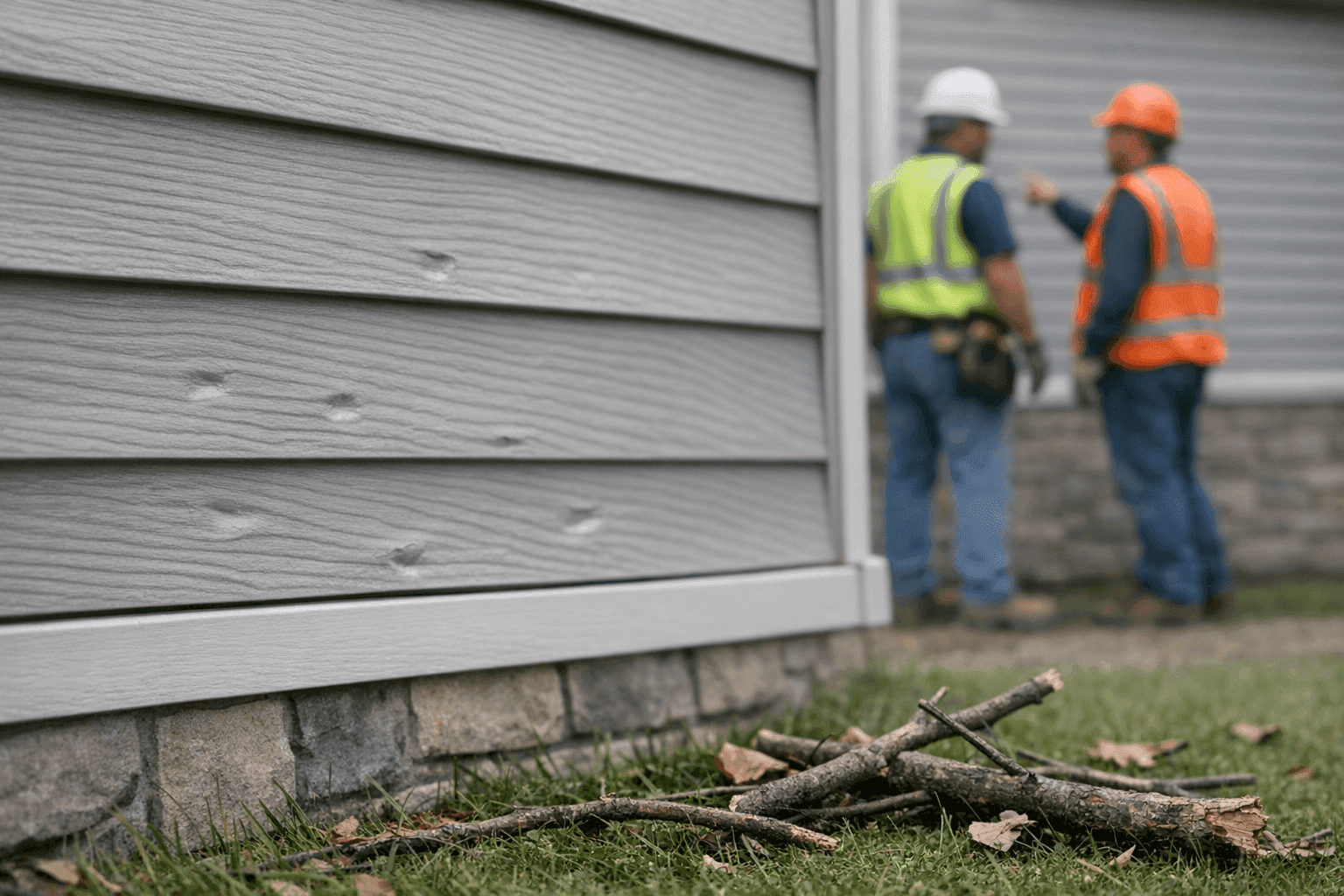
When the clouds clear and the wind settles, what’s left behind can be a rude awakening. Storms don’t just shake the trees—they can shake the very walls of your home. If you step outside and spot even a single panel out of place, it’s enough to set your heart racing.
At Schaefer Exteriors, we’ve seen all kinds of storm aftermath. Our team knows how quickly siding damage can go from minor to major. Let’s walk through what you should check after bad weather, and how to keep your home shielded from the next big blow.
Spotting Trouble: Common Types of Storm Damage
Storms can leave behind more than puddles and fallen branches. Here’s what to look for on your siding:
- Impact Dents: Hailstones, flying debris, or even that neighbor’s forgotten trash bin can leave dents and dings.
- Cracks & Splits: Sudden wind gusts or hard impacts can split panels, especially on older or brittle siding.
- Moisture Intrusion: Rain driven under loose siding can seep into walls, causing hidden rot or mold.
- Loose or Missing Panels: Wind loves to tug at corners, often leaving panels flapping or missing entirely.
These issues may seem small, but untreated, they invite bigger problems—think water damage, pests, and rising energy bills.
Safety First: Quick Checklist Before You Inspect ⚠️
Before you walk the perimeter or climb a ladder, take a breath. Your safety matters more than a hurried inspection.
- Wait for the storm to fully pass—don’t risk slippery surfaces or falling branches.
- Wear sturdy shoes and gloves.
- Watch for downed power lines or sharp debris.
- If you see obvious structural issues (leaning walls, large holes), stay clear and call professionals.
According to the National Safety Council, post-storm injuries often happen when homeowners rush repairs. Take it slow and stay alert.
Step-by-Step Siding Inspection After a Storm
Ready to check your home? Here’s a walkthrough anyone can follow:
-
Walk Around the House
Start at ground level. Look for panels that are warped, cracked, or out of alignment. -
Check for Dents and Chips
Hail can pockmark siding like a golf ball. Feel for soft spots, which hint at hidden moisture. -
Inspect Seams and Edges
Are caulking and seals intact? Gaps here are open invitations for water. -
Look Around Windows and Doors
Trim and molding are often the first to fail. Peeling paint or soft wood signals water intrusion. -
Peek Under Loose Panels
Gently lift any loose pieces—never force them. Look for wet insulation or visible rot. -
Don’t Forget Soffits and Fascia
These roofline details protect your attic and walls. Check for cracks, bends, or missing sections.
Document everything with photos. It’s useful for repair planning and insurance claims.
Should You Tackle Repairs Yourself or Call a Pro?
Some fixes are tempting DIY projects—like reattaching a loose panel or caulking a seam. But storm damage is often like an iceberg: most of it is hidden.
- DIY: Tightening a few screws or replacing a bit of caulk.
- Call a Pro: Large cracks, moisture inside walls, missing panels, or anything needing a ladder.
According to the International Association of Certified Home Inspectors, hidden damage is a leading cause of costly repairs down the road. If in doubt, get an inspection.
What the Pros Do When They Arrive
When a siding specialist arrives, they do more than glance at the surface. Here’s what to expect:
- Full perimeter inspection, including hard-to-reach areas.
- Moisture readings behind siding.
- Detailed report with photos and repair options.
- Recommendations on material match and color consultation to restore curb appeal.
Our team is trained to spot red flags and knows when urgent repairs can’t wait.
When Is It a Siding Emergency?
Some damage is urgent. Don’t wait if you see:
- Exposed insulation or wood framing.
- Water actively leaking through walls.
- Loose panels at risk of blowing off.
- Interior water stains after the storm.
In these cases, call for emergency siding services. Quick action can prevent further harm to your home.
Insurance Considerations: What to Know After Storm Damage
Most homeowners’ insurance covers storm-related siding damage, but every policy is different.
- Document Everything: Photos, notes, and repair estimates.
- Contact Your Insurer Promptly: Delays can complicate claims.
- Get a Professional Assessment: Insurers often require a formal inspection.
For official guidance, the Insurance Information Institute recommends reviewing your policy and keeping records of all communications.
How to Minimize Damage Next Time
An ounce of prevention beats a pound of repair. Here’s how to fortify your siding before storm season:
- Schedule annual siding inspections.
- Keep trees and loose outdoor items clear from your home.
- Upgrade to impact-resistant materials (like fiber cement or metal siding).
- Ensure proper caulking and sealing.
Routine siding maintenance can save you headaches—and serious repair bills—later.
Choosing the Right Materials for Storm Resilience
Not all siding is created equal. Fiber cement, engineered wood, and metal options stand up to harsh weather better than traditional vinyl. If you’re considering an upgrade, a Siding Color Consultation can help you balance durability with style.
Hidden Signs of Trouble After a Storm
Some damage hides in plain sight. Watch for:
- Bubbling or peeling paint on interior walls (a sign of moisture inside).
- Higher-than-normal energy bills (insulation may be wet).
- Musty odors (could mean mold).
If these symptoms pop up, it’s time for a siding inspection.
Costs and Timelines: What to Expect
Every storm is different, and so are repair needs. Minor fixes might take a day. Replacing large sections or matching unique colors can stretch into a week or more. Costs depend on the type of siding, extent of damage, and material availability.
We provide transparent estimates up front, so there are no surprises.
Seasonal Considerations: Storms Aren’t Just a Summer Thing 🌧️
Hurricanes, winter ice, and even spring windstorms can damage siding. In wet climates, mold and rot are major risks. In dry, windy regions, flying debris is the main culprit. Adjust your inspection routine based on local weather patterns.
Common Mistakes Homeowners Make After a Storm
- Ignoring minor damage until it gets worse.
- Using the wrong products (like interior caulk outside).
- Failing to check under loose panels.
- Not documenting damage for insurance.
A careful eye and a little patience go a long way.
Siding Maintenance: Your Best Defense
Regular cleaning, prompt repairs, and annual checkups keep your home ready for whatever weather comes next. For those in the siding company area, professional siding services are always close by.
Frequently Asked Questions
How soon should I inspect siding after a storm?
Inspect as soon as it’s safe. The sooner you spot issues, the faster you can address them.
Can I ignore small cracks or dents?
Small cracks can let in water, leading to costly repairs. Address them promptly.
What if my siding color is discontinued?
Our team can help with siding color consultation and custom solutions to match your home’s look.
When storms strike, you don’t have to face the aftermath alone. Schaefer Exteriors responds quickly—so you can get back to feeling safe at home.
Call Schaefer Exteriors now — or reach us anytime at 877-331-5875 .