Soffit and Fascia Repair: Common Issues and Solutions
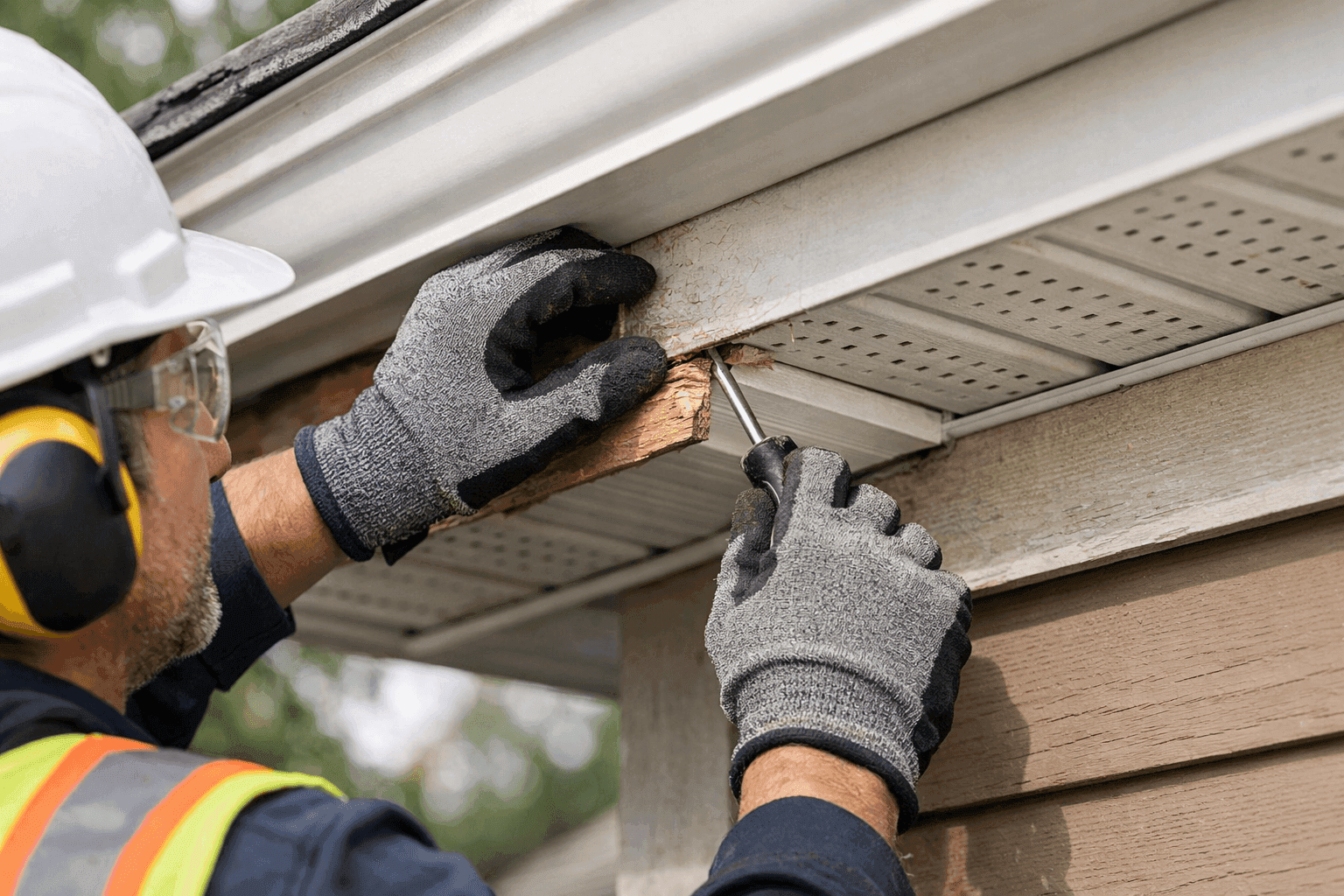
If you hear unusual creaks or spot peeling paint near your roofline, your home could be whispering for help. Soffit and fascia issues rarely shout—they start with small signs, then quickly invite bigger trouble if ignored.
At Schaefer Exteriors, we know how a minor leak or a loose panel can snowball into serious water damage, pest intrusion, and costly repairs. Homeowners like you deserve peace of mind, not surprises lurking overhead.
Soffit and Fascia Basics 🏠
Soffits and fascias are the unsung heroes of your roofline. The soffit is the flat board tucked under the eaves, often vented to let your attic breathe. The fascia is the visible horizontal board that runs along the edge of the roof, holding gutters in place.
Together, these components:
- Guard your attic from water, wind, and critters.
- Support gutters, channeling rain away from your siding and foundation.
- Help manage airflow, preventing mold and trapped heat.
Think of them as armor and lungs for your home. Neglect them, and the rest of your siding—and even your roof—can pay the price.
Signs of Damage
Many soffit and fascia problems start small. Spotting them early makes all the difference.
Watch for:
- Peeling or blistering paint
- Soft, sagging, or cracked areas
- Rusted or stained spots
- Animal nests or droppings
- Water marks or mildew
A musty smell in your attic or visible daylight where there shouldn’t be any? These are red flags waving for attention.
Water and Pest Risks
When soffits and fascias fail, it’s like leaving a window open during a storm. Water seeps in, rotting wood and insulation. Persistent dampness invites mold, which can harm your home’s structure—and your health.
Meanwhile, tiny gaps give pests a front-row seat. Birds, squirrels, and wasps are resourceful squatters. Insects can tunnel in, causing hidden damage that spreads fast.
Repair Options
The right fix depends on the extent and type of damage:
- Spot repairs: Small cracks or holes can often be patched and sealed.
- Board replacement: Rotted or warped boards are swapped out for new, weather-resistant materials.
- Caulking and sealing: Gaps are closed to keep water and pests out.
- Repainting or refinishing: Fresh paint shields wood from the elements.
- Ventilation upgrades: Adding or repairing vents prevents heat and moisture buildup.
If your soffit or fascia is beyond repair, replacement may be safest. This is true if there’s widespread rot or the underlying structure is compromised.
You can find more about our Soffit and Fascia Installation services for a fresh, lasting solution.
Common Mistakes to Avoid
It’s easy to miss these pitfalls:
- Ignoring small issues until they become big, expensive ones.
- Using the wrong paint or sealant, which can trap moisture.
- Overlooking hidden water sources—like clogged gutters.
- Attempting repairs without proper safety gear or know-how.
Don’t let a quick fix today turn into a headache tomorrow.
DIY or Call a Pro?
Handy homeowners can handle light cleaning or painting. But when it comes to repairs—especially at height—safety comes first. Falling from a ladder or missing deeper structural problems isn’t worth the risk.
A siding contractor like Schaefer Exteriors brings the right tools, know-how, and materials. We understand building code requirements and use quality products that last.
What Happens During a Professional Repair?
Curious what to expect? Here’s our typical process:
- Inspection: Thorough review of your soffit, fascia, and connected siding. We check for hidden rot, pest nests, and moisture.
- Diagnosis: We explain the issues in plain language, never pushing unnecessary work.
- Protection: Drop cloths and careful prep keep your landscaping and home clean.
- Repair/Replacement: Damaged boards are removed. We use treated lumber, fiber cement, or metal as needed.
- Sealing and Painting: We match your home’s color and provide a weatherproof finish.
- Final check: We confirm proper ventilation, gutter stability, and clean up thoroughly.
Quick Safety Checklist ⚠️
Before tackling any repair, review these basics:
- Use a sturdy ladder on level ground.
- Wear gloves, goggles, and dust masks.
- Shut off power near outdoor lighting.
- Watch for wasp nests or critters.
- Never work alone if you’re using power tools overhead.
When in doubt, call a professional.
Costs and Time Factors
Soffit and fascia repairs are usually more affordable than full siding replacement. Costs depend on:
- The amount of damaged material
- Accessibility
- Materials used (wood, fiber cement, metal)
- Need for painting or custom trim
Most jobs are done in a day or two. Severe water or pest damage may require extra time for remediation.
When It’s an Emergency
If water is pouring behind your siding or you spot animals nesting in your attic, don’t wait. Emergency repairs prevent further damage to insulation, framing, and even your electrical system. This is especially true after storms.
Our soffit and fascia repair team responds quickly to protect your investment.
Prevention Tips
A little care goes a long way. Here’s how to keep trouble at bay:
- Clean gutters at least twice yearly.
- Inspect soffits and fascias every spring and fall.
- Repaint or reseal wood surfaces as needed.
- Prune back trees that touch your roofline.
- Address minor cracks or peeling paint quickly.
Regular maintenance means fewer surprises.
Seasonal Considerations
Spring and fall are the best times for inspections and repairs—before summer storms and winter snow put extra stress on your roofline. Heavy ice can loosen gutters and fascia, while summer heat bakes paint and sealant.
Materials and Equipment
Modern soffits and fascias come in wood, fiber cement, vinyl, and metal. Each has pros and cons. Wood is classic but needs regular upkeep. Fiber cement and metal are tough and long-lasting, resisting rot and pests.
Pros use specialized tools—saws, nail guns, scaffolding—to ensure safe, precise work.
Siding and Roofline—A Team Effort
Soffits and fascias are part of your home’s larger armor. A healthy roofline keeps your siding, attic, and insulation dry and secure. If you’re planning a Siding Color Consultation, consider soffit and fascia upgrades for a complete refresh.
Trusted Resources
We follow guidelines from the International Association of Certified Home Inspectors (InterNACHI) and local building codes for all repairs. Their standards help ensure your repair is safe and up to code.
Frequently Asked Questions
How often should soffits and fascias be inspected?
Twice a year is ideal—spring and fall.
Can damaged soffit or fascia cause roof leaks?
Yes. Water can seep behind siding, damaging insulation and even interior ceilings.
What if I have aluminum or vinyl soffits?
They’re more resistant to rot but can still suffer from dents, gaps, and pest entry.
Is soffit ventilation really necessary?
Absolutely! It prevents heat and moisture buildup, which can lead to mold and higher energy bills.
Your Next Step
A strong roofline protects your whole home. Don’t wait for stains, pests, or sagging boards to become a bigger problem. Schaefer Exteriors is here to help you spot, solve, and prevent soffit and fascia issues—so your siding stays beautiful, season after season.
Call Schaefer Exteriors now — or reach us anytime at 877-331-5875 .