Soffit and Fascia: What They Are and Why They Matter
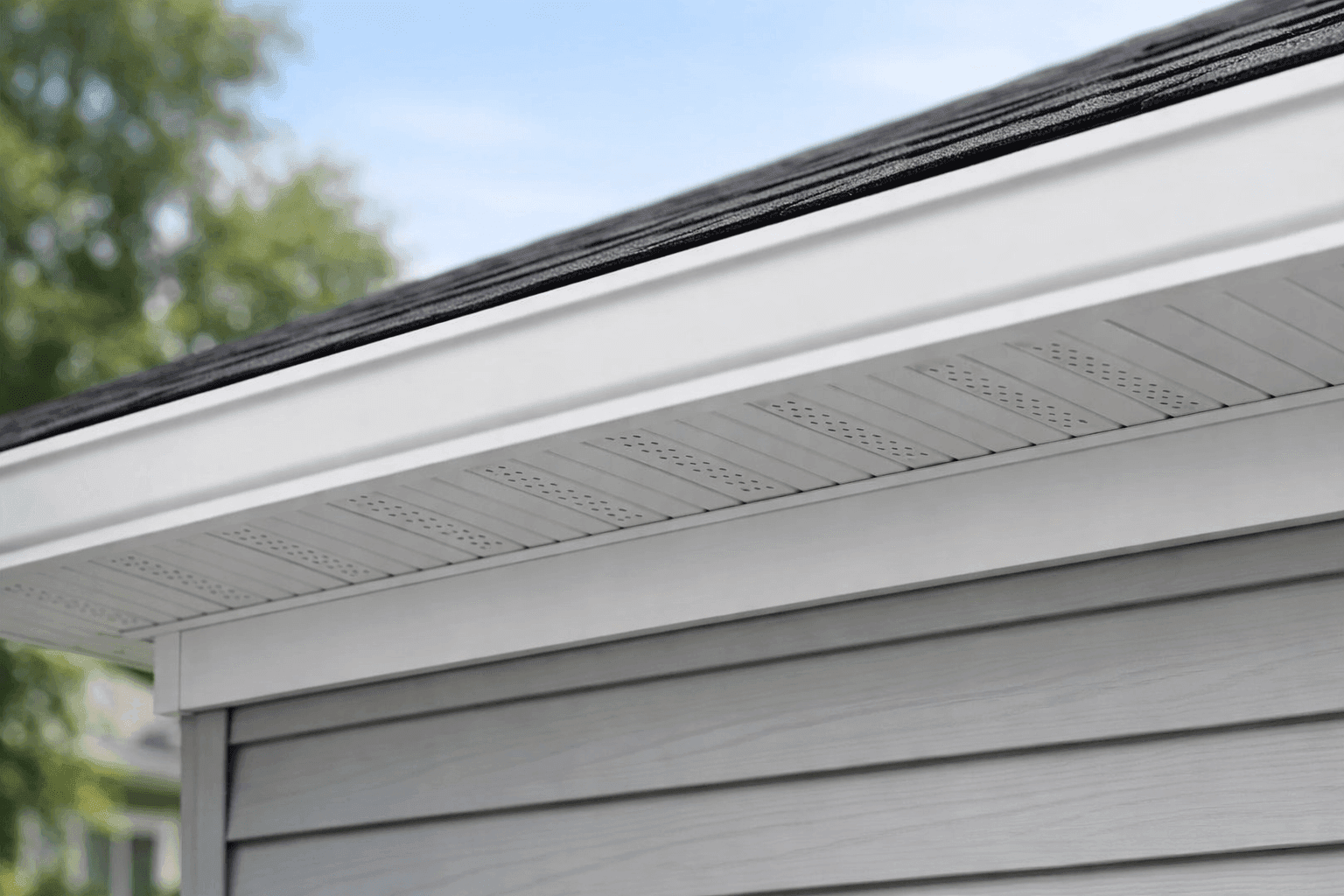
When was the last time you really looked at the edges of your roof? If you’re like most homeowners, the answer might be “never.” Yet those slim, understated boards—the soffit and fascia—play outsized roles in your home’s health. Ignore them, and you risk moisture, rot, and even pest invasions.
At Schaefer Exteriors, we’ve seen how a small issue at the roofline can snowball into costly repairs. Read on to learn what soffit and fascia are, why they matter, and what every homeowner should know about keeping them in top shape.
What Are Soffit and Fascia?
Soffit and fascia may sound technical, but they’re as down-to-earth as a sturdy pair of boots. The soffit is the horizontal surface tucked under your roof’s overhang. The fascia is the vertical band that runs along the roof’s edge, where gutters are usually attached.
Think of the soffit as the porch ceiling of your roof, quietly protecting everything above it. The fascia is the crisp trim that gives your roof a finished look, like a frame around a work of art.
Why These Features Matter for Your Home 🏡
It’s tempting to see soffit and fascia as just decorative. They’re not. Here’s what they really do:
- Ventilation: Soffits often have vents that let air flow into the attic, keeping it dry and cool. This helps your insulation work better and prevents mold.
- Moisture Defense: Fascia boards block rain, snow, and pests from sneaking under your roof edge.
- Aesthetics: Crisp lines and smooth paint boost curb appeal, making your home look complete and cared for.
When these parts fail, water can find its way into places it shouldn’t. That’s a headache—and a repair bill—you want to avoid.
Common Materials and Style Options
If you’ve ever wondered why some roof edges look different from others, the answer is usually the material.
Popular soffit and fascia materials:
- Vinyl: Affordable, low-maintenance, and available in many colors.
- Aluminum: Durable and rust-resistant, especially for fascia.
- Wood: Classic charm, but needs regular upkeep to fight rot.
- Fiber Cement: Modern, fire-resistant, and long-lasting.
- Composite: Made from recycled materials—an eco-friendly choice.
Style options range from simple flat boards to vented panels, beadboard patterns, or custom trims that match your home’s character.
Signs of Trouble: What to Watch For
Soffit and fascia issues can sneak up. A tiny bit of peeling paint today can mean rot or water inside the walls tomorrow.
Keep an eye out for:
- Flaking or bubbling paint
- Soft spots or visible cracks
- Staining or dark streaks (water damage)
- Evidence of pests (like wasp nests)
- Sagging or detached boards
If you spot these, it’s time to act. Early repairs are almost always simpler—and less expensive—than waiting.
How Soffit and Fascia Protect Your Siding
These features are your siding’s first line of defense. Without solid soffit and fascia, water can seep behind your siding, leading to rot, mold, and even structural damage.
Good airflow from the soffit keeps humidity in check, while the fascia keeps gutters in place and channels water safely away. It’s a team effort, like a lock and key—neither works as well alone.
Basic Repair Steps: What Really Happens
If you call for a Soffit and Fascia Repair, here’s what pros like Schaefer Exteriors do:
- Inspection: We look for hidden damage, not just what’s obvious. Moisture meters and careful eye checks are key.
- Removal: Damaged boards are taken away—no shortcuts.
- Replacement: New materials are measured, cut, and installed to fit snugly and safely.
- Finishing: Paint, caulk, and seal to match your home and keep the weather out.
Throughout, we follow building code guidelines (like those from the International Residential Code) for safe, durable results.
Why Professional Installation Matters
Soffit and fascia aren’t just window dressing. Installed wrong, they can let water seep in or block attic ventilation—two mistakes that cost big in the long run.
Professionals are trained to:
- Use the right fasteners and flashing
- Match materials to your climate and siding
- Ensure airflow meets code and keeps your attic dry
Quality comes from precision—measuring twice, cutting once, and never rushing the details.
DIY or Hire a Pro?
Some homeowners love a good weekend project. But soffit and fascia repairs involve working at heights, handling power tools, and navigating ladders. Safety is crucial.
Ask yourself:
- Are you comfortable working on a ladder, sometimes for long periods?
- Do you have the right tools to cut, fit, and fasten materials?
- Will your repairs match the original look?
If not, it’s wise to bring in trained hands. Your safety—and your home’s value—are worth it.
Quick Safety Checklist for Homeowners
Before you tackle any roofline work:
- Wear eye and hand protection
- Use a sturdy ladder on level ground
- Never work alone
- Watch out for overhead wires
- Check weather—never work in wind or rain
When in doubt, call a pro. Injuries and falls are real risks.
Prevention: Caring for Soffit and Fascia Year-Round 🌦️
Maintenance is simple but powerful:
- Clean gutters every season to prevent overflow
- Look for signs of animal nests or insect damage
- Touch up paint and caulk as needed
- Schedule a siding or roof inspection every couple of years
For a detailed checkup, consider a Soffit and Fascia Installation to match repairs to your home’s look.
How Much Do Repairs Cost? How Long Will It Take?
Costs vary by material and the size of the damage. Small repairs might take a few hours and a modest investment. Full replacements or custom trims cost more, but protect your home for years.
Expect some noise and movement as old boards come down and new ones go up. Most jobs wrap up in a day or two, with minimal disruption to your routine.
When Is It a Roofing Emergency?
If you notice:
- Water leaking inside after a storm
- Large sections of soffit or fascia missing
- Animal entry (squirrels, birds inside your attic)
These are urgent. Call for emergency siding services right away to limit the damage.
Seasonal Tips: Spring and Fall Are Key
Twice a year, do a walkaround. Spring checks catch winter storm damage; fall checks prep your home for cold and wet weather. If you see problems, act before the next season hits.
Common Mistakes to Avoid
- Painting over rot instead of replacing wood
- Blocking vented soffits with insulation or debris
- Using mismatched materials that won’t weather the same
Careful, timely repairs pay off in less maintenance and a longer life for your siding.
FAQ: Homeowner Questions
How often should soffit and fascia be replaced?
With proper care, they can last 20–30 years. Watch for early signs of trouble.
Can I install new materials over old fascia?
Not recommended—trapped moisture can cause hidden rot.
What colors and styles are available?
Nearly endless options! A Siding Color Consultation can help you choose what fits your home.
Building Codes and Best Practices
Soffit and fascia installation must meet local building codes for airflow and weather resistance. The International Residential Code (IRC) sets standards for attic ventilation and material safety; reputable contractors always follow these guidelines.
Local Service, Trusted Guidance
Whether you’re ready for upgrades or facing urgent repairs, Schaefer Exteriors brings professional standards to every project. If you’re searching for siding services or Soffit and Fascia Installation, our team is ready to help.
Call Schaefer Exteriors now — or reach us anytime at 877-331-5875 .