Siding Solutions for Energy-Efficient Homes
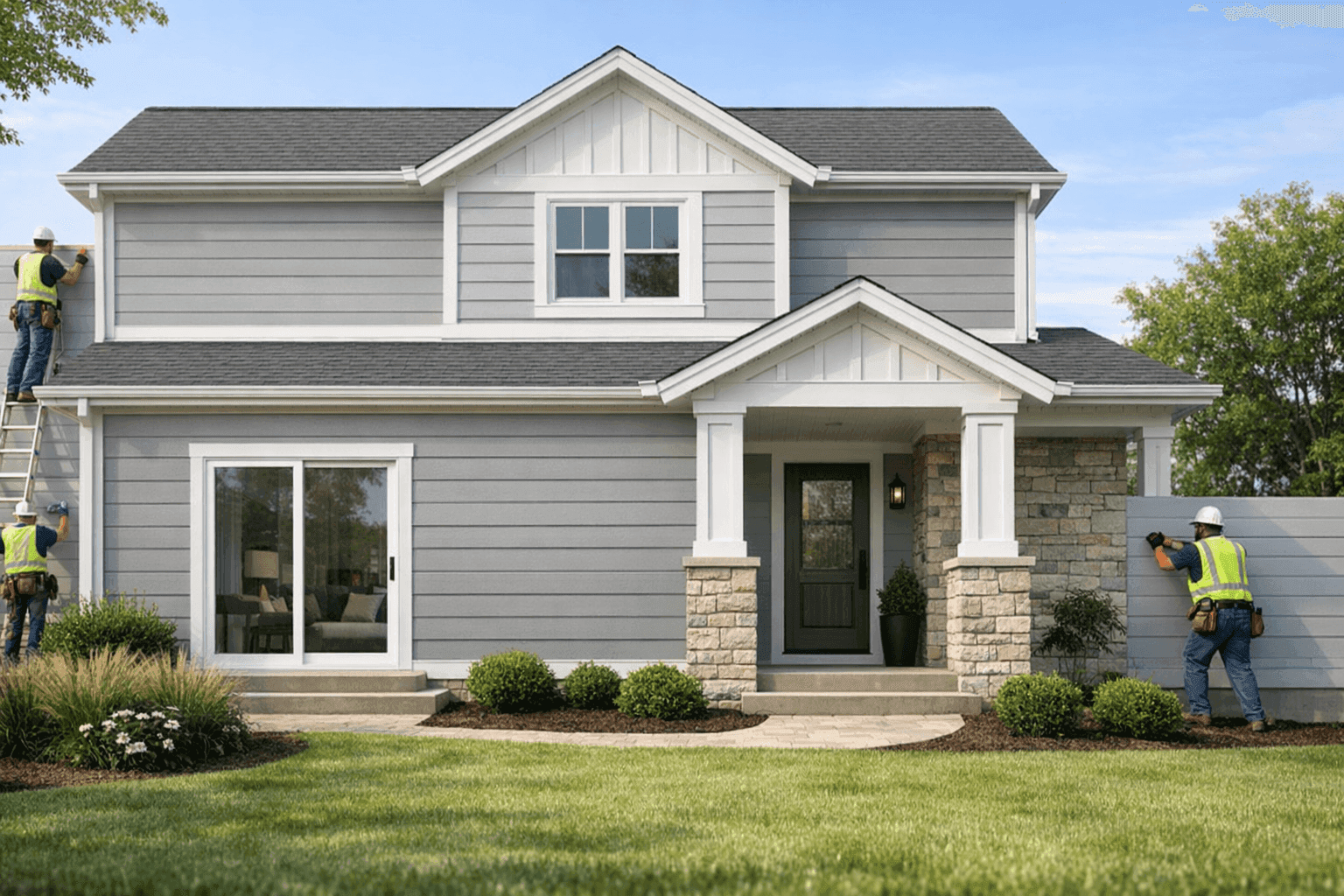
Is your home feeling drafty, even when all the windows are shut tight? That chilly breeze might not be your imagination. Often, the culprit is siding that’s past its prime. For many families, high energy bills and uneven heating or cooling are a fact of life—but they don’t have to be.
At Schaefer Exteriors, we see every day how the right siding solutions transform homes. Let’s walk through the materials, methods, and real-world steps that put money back in your pocket while making your home comfortable, quiet, and efficient.
Why Siding Matters for Energy Efficiency
Think of siding as your home’s all-weather jacket. It shields you from rain, wind, sun, and everything in between. But the right jacket doesn’t just keep you dry—it keeps you warm or cool as needed, and breathes so you don’t overheat.
Siding does the same. Quality materials, installed with care, form a barrier that keeps conditioned air inside and the elements where they belong.
Modern Siding Materials for Energy Savings
Not all siding is created equal. Some act like a thin windbreaker, others like a thick parka. Here’s a breakdown of top choices that help lower your utility bills:
- Fiber Cement Siding: Durable, with excellent insulation when paired with added foam. It stands up to storms and pests.
- Insulated Vinyl Siding: Built with a foam backing, it hugs your house and blocks heat transfer.
- Wood Siding: Naturally insulating, especially when installed with modern weather barriers.
- Stucco: When properly layered, it creates a tight, draft-free envelope.
- Metal Siding: Reflects sunlight, keeping homes cooler, but needs insulation underneath for cold protection.
- Eco-Friendly Siding Options: Products made from recycled or sustainable materials offer energy savings and lower environmental impact.
Each material has its strengths. Pairing the right siding with effective Insulation Installation is the real secret to comfort.
Insulation Upgrades: The Hidden Hero
Siding without insulation is like a door without weatherstripping—air leaks in, and comfort leaks out.
Added insulation brings:
- Warmer winters, cooler summers
- Lower energy bills (the U.S. Department of Energy notes that upgrading insulation can cut heating/cooling costs by up to 20%)
- Fewer drafts and cold spots
We recommend rigid foam boards, mineral wool, or blown-in cellulose, depending on your home’s needs. Our team follows International Energy Conservation Code (IECC) guidelines for safe and efficient installs.
The Power of Professional Installation
Proper installation is the difference between a cozy home and a leaky one. Even the best siding can’t do its job if gaps, poor flashing, or bad caulking let air sneak in.
At Schaefer Exteriors, our crews:
- Remove old, damaged siding and inspect for hidden rot or pest issues
- Seal seams, corners, and joints with weatherproof materials
- Add moisture barriers and ventilation where needed
- Install siding with precision, following manufacturer and code recommendations
This attention to detail is what keeps your home draft-free and efficient.
Comparing Energy Savings by Siding Material
Let’s visualize energy performance with a simple metaphor: buckets. Imagine your house is a bucket, and heat is water. Some siding types are like buckets with tiny holes—heat leaks out. Modern insulated siding is like a solid, well-sealed bucket—everything stays in.
- Insulated Vinyl Siding: Can improve a wall’s R-value by up to 20%.
- Fiber Cement with foam: Significant boost, especially in older homes.
- Wood Siding: Moderate boost, but needs maintenance.
- Metal Siding: Requires insulation beneath to reach its full potential.
These upgrades translate to hundreds of dollars saved each year, especially when paired with modern HVAC systems.
Real-World Example: A Drafty Old Home Gets an Upgrade
One local family came to us with a 1960s home that felt cold and noisy all winter. Their siding was faded, cracked, and missing in spots. We recommended fiber cement with added foam insulation and new trim.
After installation, their winter heating bill dropped by nearly 30%. Rooms once plagued by cold spots became comfortable. The difference was immediate—and lasting.
Siding Color Consultation: A Surprising Energy Boost
Color isn’t just about curb appeal. Lighter siding colors can reflect sunlight, keeping your home cooler in summer. Darker shades absorb more heat—a smart choice in colder climates.
Our Siding Color Consultation near you helps homeowners balance style with energy performance.
Common Mistakes to Avoid 🚫
- Skipping insulation or weather barriers during replacement
- Ignoring small gaps or cracks—these grow, letting in water and air
- Choosing materials that aren’t suited for your local climate
- DIY installs without proper sealing or flashing
A professional touch makes the difference between fighting drafts and enjoying steady comfort.
Quick Safety Checklist
Before any work starts:
- Confirm your contractor is licensed and insured
- Ask about compliance with local building codes
- Make sure installers follow OSHA safety guidelines for ladders, scaffolding, and tool use
Schaefer Exteriors takes safety seriously on every job—no shortcuts.
DIY or Call a Pro?
Small siding repairs can sometimes be handled by handy homeowners. But for full replacements, insulation upgrades, or storm damage repair, trained professionals are essential.
Why? Pros know how to spot hidden issues, avoid code violations, and ensure your investment lasts for decades.
Signs Your Siding Needs Attention
- Visible warping, cracking, or loose panels
- Sudden spikes in energy bills
- Paint peeling inside your home (a sign of moisture intrusion)
- Increased indoor noise levels
- Frequent drafts or hot/cold spots
If you notice these, it’s time for a siding inspection.
Costs and Time Factors
Energy-efficient siding is an investment, but one that pays off. Costs vary by material—vinyl and fiber cement are often more affordable than wood or metal. Project timelines depend on your home’s size and existing conditions, but most jobs take less than a week.
Ask us for a detailed estimate that includes insulation, weatherproofing, and any needed repairs.
Maintaining Energy Efficiency Year-Round 🏡
- Inspect siding each spring and fall for damage
- Keep gutters and downspouts clear (water can wreck insulation)
- Touch up caulking around windows and doors
- Schedule professional maintenance to catch issues early
Regular care keeps your siding performing at its best.
Frequently Asked Questions
Does new siding really lower energy bills?
Absolutely. With proper insulation and installation, homeowners typically see a noticeable drop in heating and cooling costs.
Can I add insulation to existing siding?
Often, yes. Insulation can be added during replacement or sometimes retrofitted behind existing panels.
Are eco-friendly options as effective as traditional materials?
Many are even better. Modern Eco-Friendly Siding Options offer high R-values and durability while reducing environmental impact.
Why Choose Schaefer Exteriors for Your Siding Project?
We live and work in the same communities as our customers. Our team is trained, certified, and deeply experienced in every siding material and technique. From the first consultation to the final cleanup, you can expect clear communication, safe practices, and results that last.
Ready to Upgrade? Let’s Make Your Home Efficient and Comfortable
No more drafts. No more sky-high energy bills. Just a home that feels right—inside and out.
Call Schaefer Exteriors now — or reach us anytime at 877-331-5875 .