Siding Repair vs. Replacement: How to Decide
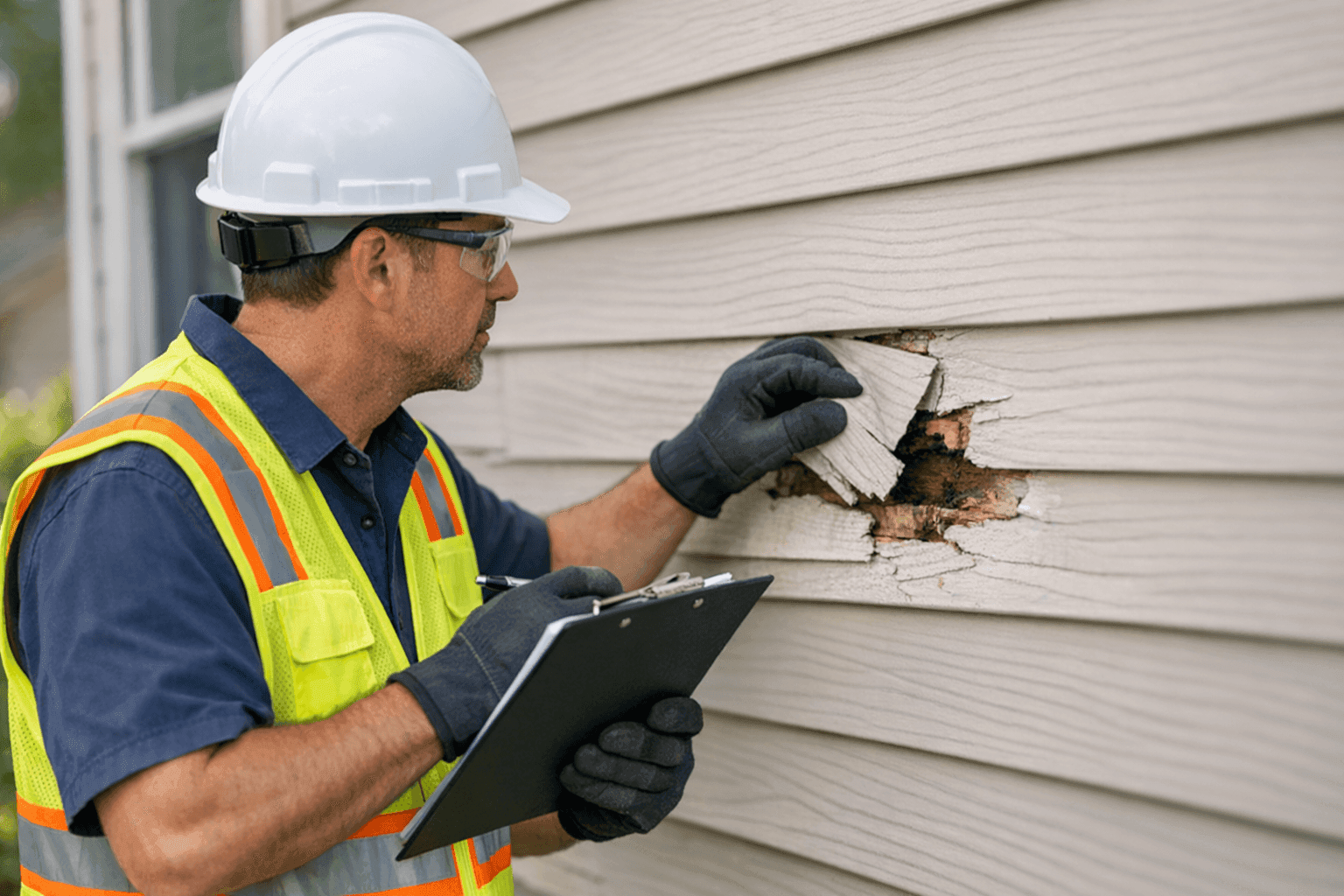
When you spot cracked boards or peeling paint on your home’s siding, it’s like finding a leak in your favorite raincoat: do you patch it, or is it time for a new one? This question leaves many homeowners feeling unsure—and with siding, the stakes are high. Left unchecked, even small problems can lead to big headaches, from water damage to rising energy bills.
At Schaefer Exteriors, we know the decision between siding repair and replacement isn’t always black and white. Here’s how to break it down so you can feel confident about protecting your home and your wallet.
Spotting the Problem: Signs Your Siding Needs Attention
Sometimes, damage is obvious—a section of siding falls off after a storm, or you see rot creeping up from the bottom. Other times, the clues are subtle. Watch for:
- Cracks, holes, or warping
- Bubbling or blistering paint
- Faded or peeling color
- Mold, mildew, or fungus growth
- Rising energy bills (a sign of poor insulation)
- Interior wall damage like peeling paint or wallpaper
A single cracked panel might just need a quick fix. But if you notice widespread issues, it may signal deeper trouble.
Quick Safety Checklist: Is Your Home at Risk? 🛑
Before you decide on repairs, check for these safety red flags:
- Soft or spongy siding (rot)
- Signs of pests or insects burrowing
- Water stains or leaks inside your home
If you spot these, call a professional. Structural issues can hide beneath the surface, and DIY attempts might make things worse.
DIY vs. Call a Pro: When to Tackle Repairs Yourself
Tiny dents or isolated cracks? If you’re handy, you might be able to patch or paint minor cosmetic damage. For anything more—especially if water or pests are involved—it’s smart to call in a siding specialist. Siding acts like armor for your home; missed spots can lead to costly repairs later.
What Pros Do On Arrival: The Siding Inspection Process
A siding expert won’t just glance at your walls and write up a quote. A thorough Siding Inspection follows steps based on International Residential Code (IRC) guidelines:
- Walking the perimeter to check for visible damage
- Probing suspect areas for hidden rot or softness
- Examining joints, caulking, and flashing for water entry points
- Inspecting soffits, fascia, and trim
- Checking for adequate ventilation and insulation
- Testing for signs of storm, wind, or hail impact
You’ll get a clear report outlining what’s urgent, what can wait, and your options.
Repair or Replace? Deciding Factors
When is repair enough—and when is replacement smarter? Here’s how to weigh it:
When to Repair
- Damage is isolated to a few boards or a small area
- The majority of siding is in good shape
- There’s no underlying rot, mold, or moisture
- You want a fast, budget-friendly fix
Example: Storm knocks off a single vinyl panel. Easy swap.
When to Replace
- Damage covers more than 20-25% of siding
- Rot, mold, or moisture is widespread
- Energy bills have jumped due to poor insulation
- Your siding is nearing the end of its lifespan (20-40 years depending on material)
- You want to boost curb appeal or resale value
Example: Multiple panels are warped or swollen, and repairs would blend poorly with existing color.
Costs & Time Factors: What to Expect
Repair is usually less expensive upfront. But if you’re calling for fixes year after year, costs add up. Replacement has a higher initial price but can save money long-term—especially with modern, energy-efficient materials.
- Repair: Quick, often done in a day, minimal disruption.
- Replacement: Takes longer (several days to a week), may require permits, and can reveal hidden issues (like damaged sheathing or insulation).
Always get a detailed estimate, and ask about disposal fees for old siding.
Long-Term Concerns: Energy, Value, and Looks
New siding isn’t just about looks. It’s about comfort and savings:
- Energy Efficiency: New materials like fiber cement or insulated vinyl can lower heating and cooling costs.
- Resale Value: According to Remodeling Magazine’s Cost vs. Value Report, siding replacement often recoups a high percentage at resale.
- Aesthetics: Fresh siding transforms your home’s curb appeal. This matters whether you’re staying put or planning to sell.
A Siding Color Consultation can help you match style with function.
Common Scenarios: Repair or Replace?
- Hail Damage: If only a few panels are dented, repair. If pitting is widespread, replacement is safer.
- Rotting Wood Siding: Small area? Spot repair. Large areas or spreading rot? Replacement.
- Storm or Wind Damage: Missing or loose panels? Usually repair. Underlying water damage? Replacement may be wiser.
- Fading and Peeling: Cosmetic issues can be painted, but if the material underneath is failing, it’s time for new siding.
When It’s an Emergency
Missing siding after a storm? Water pouring in? These situations can’t wait. Emergency siding services keep your home protected until permanent repairs or replacement can be made.
Timeline & Disruption: What’s Realistic?
- Repair: Most jobs are done in hours or a single day.
- Replacement: Expect one to two weeks, depending on home size and weather. There may be some noise and debris, but reputable crews keep the site tidy.
Preventing Future Problems: Maintenance Matters 🧹
Regular upkeep saves money:
- Wash siding yearly to remove dirt and mildew
- Inspect caulking, especially around windows and doors
- Trim trees and shrubs away from your home
- Schedule a professional inspection every few years
Maintenance extends siding’s lifespan and helps you spot trouble early.
Materials Matter: Choosing the Right Fit
Not all siding is created equal. Options include:
- Vinyl: Affordable, low-maintenance, many colors
- Fiber Cement: Durable, fire-resistant, realistic wood look
- Wood: Classic charm, requires more care
- Metal: Modern, tough, resists pests
Ask about eco-friendly siding options if sustainability is important. Material impacts cost, maintenance, and even insurance.
Siding and the Seasons: Weather’s Role
Harsh winters, humid summers, hailstorms—your local climate affects siding’s wear and tear. Schedule major projects during mild seasons for best results and minimal delays.
Common Mistakes to Avoid
- Ignoring small problems until they spread
- Painting over damaged siding instead of addressing the cause
- Choosing the cheapest fix over long-term value
- Skipping professional Siding Inspection
FAQ: What Homeowners Ask Most
Is siding repair covered by insurance?
Depends on the cause—storm or accidental damage often is, neglect is not. Check your policy.
How long does new siding last?
Vinyl: 20–40 years. Fiber cement: 30–50 years. Wood: 15–40 years with care.
Can I mix old and new siding?
Yes, but matching color and texture can be tricky. Repairs may stand out on older siding.
Working With a Siding Professional: What to Expect
A good siding company starts with a clear inspection and honest advice. They’ll explain your options, provide a written estimate, answer your questions, and treat your home with care. For those seeking reliable siding services, our team is ready to help—learn more about our siding company.
The Bottom Line: How to Decide
If your siding looks tired, feels soft, or isn’t keeping your home comfortable, don’t wait. Repairs work well for small, isolated issues. Widespread problems or aging materials call for replacement. When in doubt, schedule an inspection to get the facts before you spend a dime.
Call Schaefer Exteriors now — or reach us anytime at 877-331-5875 .