Siding Material Consultation: How to Choose What’s Best for Your Home
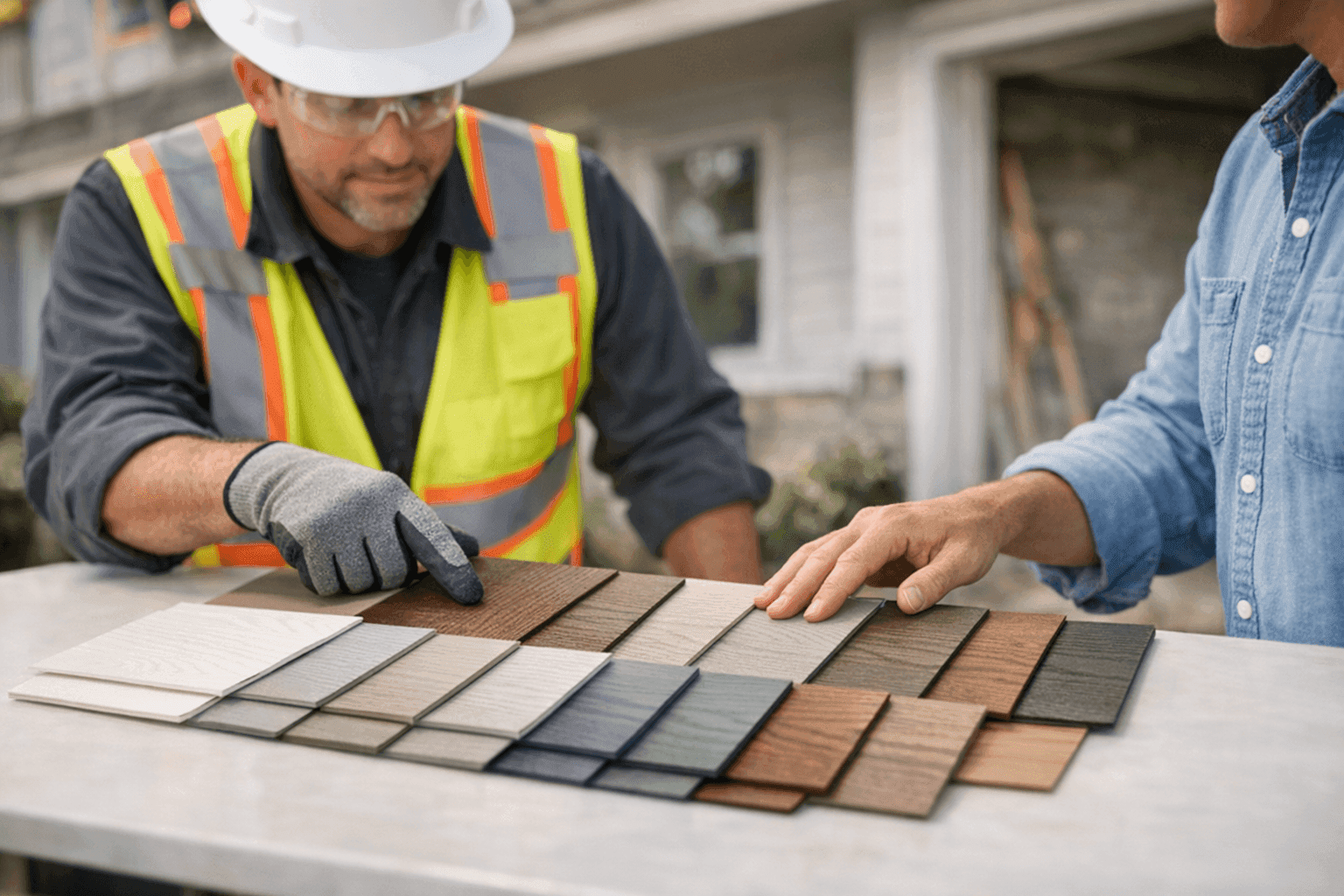
Does choosing new siding for your home feel overwhelming? You're not alone. Many homeowners face a maze of options, each promising durability, style, or easy maintenance. But what really matters—beyond the sales pitch—is how your siding will perform and look on your home for years to come.
At Schaefer Exteriors, we guide homeowners through the Siding Material Consultation process every day. Our advice is straightforward, practical, and always tailored to your needs. Let’s break down the essentials for picking the best siding for your home.
How Material Impacts Performance 🏡
Siding isn’t just about curb appeal. It’s your home’s armor against the elements. The material you choose can impact everything from insulation to weather resistance and even energy bills.
- Durability: Think of siding as the jacket your home wears all year. Fiber cement and metal siding stand up to hail and wind. Vinyl is good for mild climates but can crack in severe cold.
- Maintenance: Some materials need less TLC. Fiber cement and vinyl require just a rinse and the occasional checkup. Wood, however, asks for regular painting or sealing.
- Energy Efficiency: Insulated siding can help lower heating and cooling costs by reducing drafts. Look for options with built-in insulation or ask about adding a moisture barrier.
- Weather Resistance: Your region’s weather matters. Fiber cement resists fire and pests. Metal sheds water and snow. Wood, while beautiful, can be vulnerable to rot if not properly maintained.
Comparing Popular Options
Let’s walk through the most common siding choices, their strengths, and their quirks.
Vinyl Siding
- Pros: Affordable, wide color range, low maintenance.
- Cons: Less impact-resistant, can fade or crack over time.
- Best for: Homeowners who want a budget-friendly, quick update.
Fiber Cement Siding
- Pros: Fire-resistant, long-lasting, mimics wood’s look.
- Cons: Heavier, higher installation cost.
- Best for: Those valuing long-term investment and classic style.
Wood Siding
- Pros: Natural beauty, timeless appeal, can be painted any color.
- Cons: Requires regular upkeep, susceptible to insects and rot.
- Best for: Homes in mild climates or historic neighborhoods.
Metal Siding
- Pros: Modern look, resists fire and pests, recyclable.
- Cons: Can dent, may rust if not properly coated.
- Best for: Contemporary homes or areas with severe weather.
Stucco Siding
- Pros: Durable, energy-efficient, excellent at insulating.
- Cons: Best for dry climates, can crack in shifting soils.
- Best for: Southwestern-style homes or areas with stable ground.
Eco-Friendly Options
- Pros: Lower environmental impact, made from recycled materials.
- Cons: May have limited color or style choices.
- Best for: Homeowners prioritizing sustainability.
For more details, our siding-consultation service covers the full spectrum of options and custom solutions.
Climate Considerations ☀️
Like choosing a coat, your siding should fit your local weather. Think about:
- Heat and Sun: UV rays can fade colors and cause some plastics to warp. Fiber cement and light-colored vinyl perform well.
- Rain and Humidity: Moisture is the enemy of wood. Fiber cement, vinyl, and metal resist mold and rot.
- Freeze-Thaw Cycles: Rapid weather changes can split wood and crack some types of vinyl. Fiber cement and metal handle these shifts better.
- Wind and Storms: Heavy storms call for siding that anchors tight and resists impact. Metal and engineered wood are strong choices.
If you’re ever unsure, the International Residential Code (IRC) offers guidelines on siding performance for different regions. Your local building authority can provide even more specific requirements.
Budget Planning 💸
A new siding project is an investment. Here’s how to stretch your dollars wisely:
- Upfront Cost vs. Long-Term Value: Vinyl is wallet-friendly at installation but may need replacement sooner. Fiber cement and metal cost more but can last decades.
- Maintenance Expenses: Factor in the price of repainting, cleaning, or minor repairs over the years.
- Energy Savings: Don’t overlook insulated siding, which can reduce utility bills.
- Warranty: Ask about manufacturer and installer warranties. These can save headaches down the road.
Keep in mind, quality installation by experienced professionals can prevent costly mistakes and extend siding lifespan.
Design Preferences 🎨
Siding is your home’s first impression. Think about:
- Color Consultation: Light vs. dark? Bold or classic? Our Siding Color Consultation near you can help match your vision to available palettes.
- Texture: Smooth, wood-grain, or board-and-batten? Each has a different vibe.
- Trim and Accents: Fascia, soffits, and decorative molding can elevate your curb appeal.
- Neighborhood Style: While you want your home to stand out, it should still fit in. Check community guidelines or HOA rules.
The right siding is a marriage of function and style. Don’t be afraid to get creative, but always keep maintenance in mind.
Quick Safety Checklist
Before any siding project, run through this list:
- Check for lead paint if your house was built before 1978.
- Confirm local building codes for fire and wind resistance.
- Make sure new siding won’t trap moisture or block ventilation.
- Ask your installer about protective gear and site safety.
DIY vs. Call a Pro
Some small repairs are DIY-friendly. But for full installations or siding replacements, the right tools—and know-how—matter. Pros spot hidden damage, flash critical joints, and follow manufacturer specs for warranty coverage.
What Pros Do On Arrival
- Inspect framing and sheathing for rot or pests.
- Check flashing and caulking at windows and doors.
- Measure twice, cut once—siding needs proper overlap to shed water.
- Clean up thoroughly to leave your yard safe and tidy.
Prevention & Maintenance
- Rinse siding with a hose each spring to remove pollen and debris.
- Trim back shrubs to keep airflow and prevent scratches.
- Touch up caulk and paint when you see signs of wear.
- Schedule a full siding inspection at least every five years.
Costs & Time Factors
- Most siding jobs take a week or less, weather depending.
- Custom trim, complex designs, or large homes may add days.
- Ask for a timeline up front and plan for some noise and dust.
When It’s an Emergency
Storm damage? Impact from a fallen limb? If you see holes, water stains, or loose panels, call for emergency siding services. Quick action can prevent further damage to your home’s structure.
FAQ
How do I know my siding needs replacement?
Look for warping, rot, peeling paint, or rising energy bills. If your siding is over 20 years old, it’s time for an inspection.
Can I mix siding materials?
Absolutely. Many homes blend textures and colors to highlight features.
Is insulated siding worth it?
It can be, especially in extreme climates. Ask your installer to compare options.
Seasonal Considerations
Spring and fall are ideal for siding projects—milder weather means fewer delays. If you’re considering a change, planning ahead can save you from weather-related headaches.
Common Mistakes
- Ignoring attic or wall ventilation.
- Overlooking flashing at corners and windows.
- Skimping on underlayment or moisture barriers.
Always insist on best practices, not shortcuts.
Signs of Trouble
- Bubbling or blistering paint
- Mold or mildew stains
- Warped or split boards
- Loose or rattling panels
Don’t ignore these warning signs—timely repairs protect your investment.
Timeline & Disruption
A typical siding replacement involves removing old material, prepping surfaces, installing new siding, and adding finishing touches. Expect some noise, material deliveries, and a bit of dust. Most jobs are done within days, not weeks.
Materials & Equipment
Pros use scaffolding, cutting tools, moisture barriers, flashing, and safety gear. Always ensure your crew follows OSHA safety standards.
Looking for more guidance? If you’re searching for siding specialists, our Siding Consultation page has more details for homeowners ready to take the next step.
Call Schaefer Exteriors now — or reach us anytime at 877-331-5875 .