Siding for New Construction: What Builders Need to Know
Building a new home is a thrilling journey. Each decision, from the foundation to the rooftop, shapes your home’s comfort and style for years to come. When it comes to siding, the stakes are high—one misstep can mean headaches down the road and lost curb appeal.
At Schaefer Exteriors, we know that choosing the right siding isn’t just about looks. It’s about safety, longevity, and peace of mind for every homeowner. Let’s break down what builders need to know, from material selection to those final finishing touches.
Choosing Siding for New Homes 🏡
The siding you choose is like the skin of your home—it protects, insulates, and sets the tone for every first impression. There’s no one-size-fits-all answer. Here’s what to weigh:
- Climate: Fiber cement and vinyl excel in most regions, while wood may suit drier climates. Always check local building codes and recommendations from sources like the International Code Council.
- Budget: Vinyl remains cost-effective; fiber cement and engineered wood offer a mid-range price point with extra durability.
- Style: Siding comes in countless colors and textures. Early Siding Color Consultation near you ensures the palette aligns with your vision—and the neighborhood.
- Longevity: Think about maintenance. Fiber cement and metal siding last decades with little upkeep. Wood needs care but rewards with timeless appeal.
A Siding Material Consultation can help you weigh these factors with professional insight.
Timeline and Process: What to Expect
Siding isn’t a last-minute add-on. It’s a critical chapter in your build schedule:
- Design Phase: Decide on siding materials, colors, and profiles early. This avoids costly rework and delays.
- Framing & Sheathing: Siding installation follows once the home is weather-tight. Coordination with other trades (windows, doors, insulation) is essential.
- Moisture Barrier: Proper house wrap and flashing protect against leaks—per ASTM and building code guidelines.
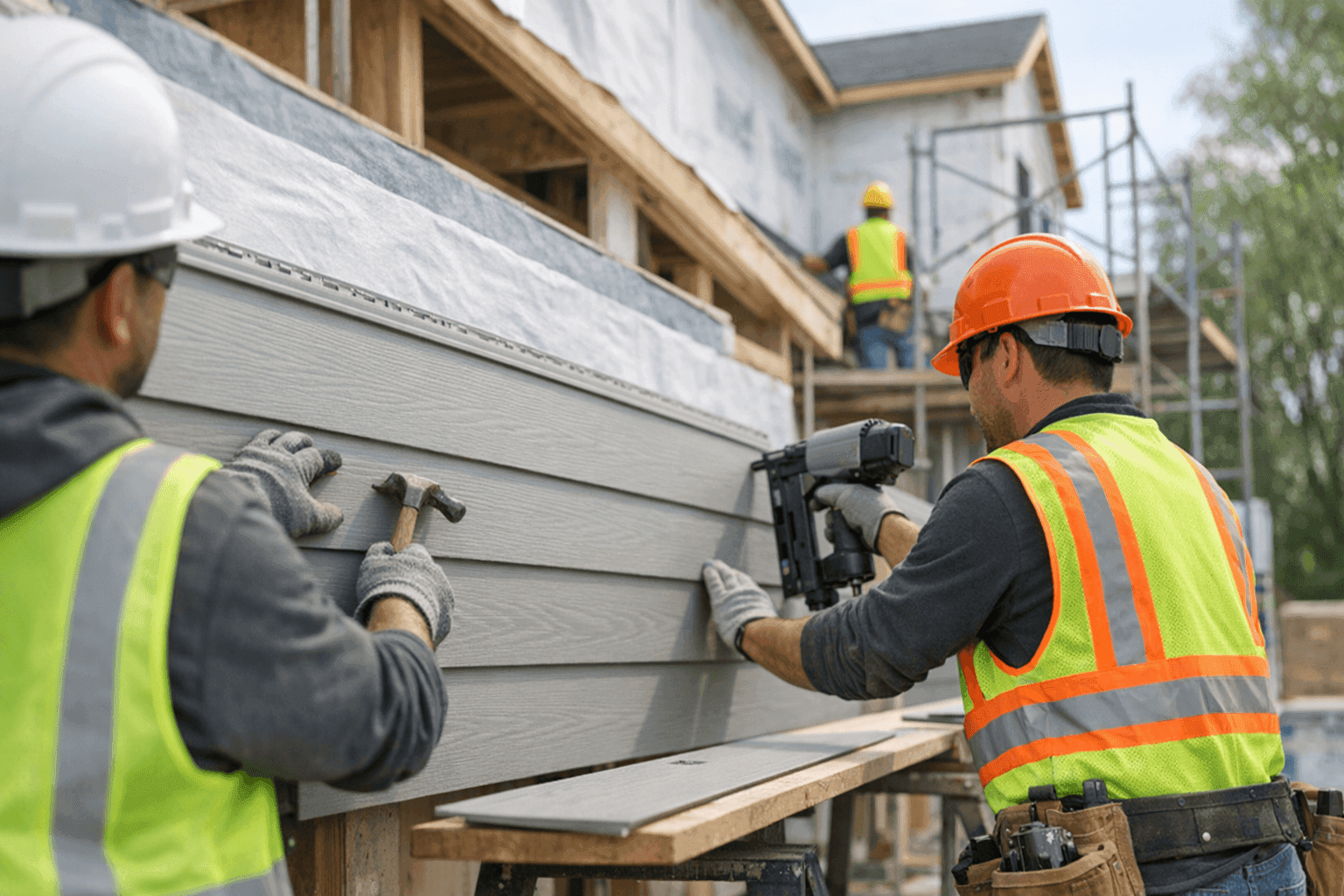
- Installation: Siding goes up in sections, with trim and molding fitted for a seamless look.
- Final Inspection: Close attention to joints, caulking, and paint ensures a weatherproof finish.
Tip: Communicate timelines clearly with every contractor involved. Delays in one area can ripple through the whole project.
Common Mistakes Builders Make (and How to Avoid Them)
Even seasoned builders can trip up on siding installation. These are the usual suspects:
- Skipping the Planning: Delaying siding decisions leads to mismatched materials or limited color options.
- Ignoring Manufacturer Guidelines: Every material has specific installation steps. Mistakes void warranties and invite moisture problems.
- Rushing Prep Work: Improper flashing or house wrap leaves homes vulnerable to leaks and mold.
- Poor Coordination: Siding, insulation, and trim must work together. Overlooking one means headaches later.
Prevention is simple: plan early, read the instructions, and coordinate with your Residential Siding specialists.
Energy Efficiency Considerations
Siding is more than a pretty face. The right choices can cut utility bills and boost comfort.
- Insulated Siding: Adds a buffer against heat and cold—especially important in extreme climates.
- Seamless Integration: Pairing siding with high-quality insulation (like rigid foam) prevents drafts and thermal bridging.
- Sealing and Caulking: Gaps and cracks are energy thieves. Attention to detail at installation pays off every month.
The U.S. Department of Energy recommends considering R-values for walls and windows together, not in isolation. Integrate insulation plans with siding for best results.
Customization Options: Make It Yours 🎨
Siding is your chance to put a personal stamp on your new home.
- Colors and Textures: From classic lap to board-and-batten, or sleek metal cladding—options abound.
- Trim and Molding: Well-chosen trim frames windows and doors, adding depth and polish.
- Soffit and Fascia: These aren’t just functional—they tie together the roofline and siding for a cohesive look.
- Eco-Friendly Choices: Ask about recycled-content siding or sustainable wood for a greener build.
A Siding Color Consultation near you ensures every decision feels right—before the first board goes up.
Early Planning: The Secret to Smooth Siding
Think of siding as the final layer in a well-baked cake. Planning ahead means:
- Materials are available when you need them.
- Color palettes are locked down before paint or hardware are chosen.
- No last-minute design compromises.
Don’t leave siding to the eleventh hour. Involve your siding contractor as soon as the plans are on the drafting table.
Integrating Siding with Insulation and Trim
The best builds are seamless—literally. Here’s how to tie it all together:
- Insulation: Install before siding, with careful sealing at seams.
- Trim: Goes up after siding, covering joints for a watertight finish.
- Ventilation: Don’t forget proper soffit and ridge vents. These keep attics cool and prevent moisture.
Refer to the North American Insulation Manufacturers Association for tips on pairing insulation with siding types.
Safety, Codes, and Compliance
Building codes aren’t red tape—they’re the safety net for your investment. Always:
- Check local requirements for fire, wind, and impact resistance.
- Use approved fasteners and flashing.
- Schedule a final inspection before move-in.
Consult the International Residential Code (IRC) or your local authority for specifics.
DIY or Hire a Pro?
Some homeowners are tempted to DIY siding. But for new construction, it’s rarely worth the risk.
- Pros: Bring experience with flashing, moisture barriers, and tricky details.
- DIY Risks: Small mistakes—like a missed caulk bead—can lead to big problems.
For most, calling a siding company with a track record of new home projects is the safest bet.
What Pros Do On Arrival
When Schaefer Exteriors arrives on site, here’s what you can expect:
- Full review of plans and specifications.
- Checking substrate readiness and weather barrier installation.
- Verifying all materials and hardware are present.
- Coordinating with other trades to prevent scheduling clashes.
- Installing siding per manufacturer and code guidelines.
That means fewer surprises, smoother results.
Prevention & Maintenance Tips
New siding should be easy to care for. But a little attention goes a long way:
- Annual Inspection: Catch cracks, warps, or caulk failures early.
- Cleaning: Gentle washing keeps mildew and grime at bay.
- Paint Touch-up: For painted siding, check for peeling or fading every few years.
A siding inspection at the end of your first year is a smart way to spot any issues while warranties are in play.
Costs & Time Factors
Every build is unique, but here are the main drivers:
- Material Choice: Fiber cement, vinyl, and wood vary widely in price and install time.
- Home Size and Complexity: More stories, more corners, and custom details increase labor.
- Weather: Rain, snow, or extreme heat can push back your timeline.
Budget for the unexpected and keep communication lines open with your siding contractor.
When It’s an Emergency
Storm damage can strike even new builds. If siding is blown off or punctured:
- Act Fast: Protect exposed walls from water.
- Document Damage: Take photos for insurance.
- Temporary Patch: Use weatherproof tape or sheeting until repairs are scheduled.
Ask about emergency siding services as part of your new construction plan.
FAQ: Siding for New Construction
Q: When should I choose my siding?
A: Decide during the design phase—before framing starts.
Q: Can I mix siding styles?
A: Yes! Mixing textures or colors adds curb appeal, but plan it with your designer and siding company.
Q: How long does installation take?
A: Most homes are sided in 1–2 weeks, depending on size and complexity.
Q: What if I need repairs later?
A: Many materials have matching repair kits. Keep extra pieces from your original install.
Seasonal and Regional Considerations
Cold climates demand siding that resists freeze-thaw cycles. Hot, sunny areas need UV protection. Always ask about:
- Warranties against fading or cracking.
- Recommended installation windows for your region.
- How your choice fits in with local architecture.
For those in the capital area, our New Construction Siding page shares more on how we serve your neighborhood’s unique needs.
Signs of Trouble: What to Watch After Move-In
Even new siding can show issues if installation wasn’t perfect. Look for:
- Warping or buckling panels.
- Water stains near seams.
- Peeling paint or caulk.
If you spot these early, prompt repair keeps your home protected.
Conclusion: Build Smart, Build Beautiful
Siding is more than just a layer—it’s your home’s first defense and its handshake with the world. Careful planning, the right materials, and professional installation set your new build up for decades of beauty and protection.
Call Schaefer Exteriors now — or reach us anytime at 877-331-5875 .