Siding for Historic and Older Homes: What to Consider
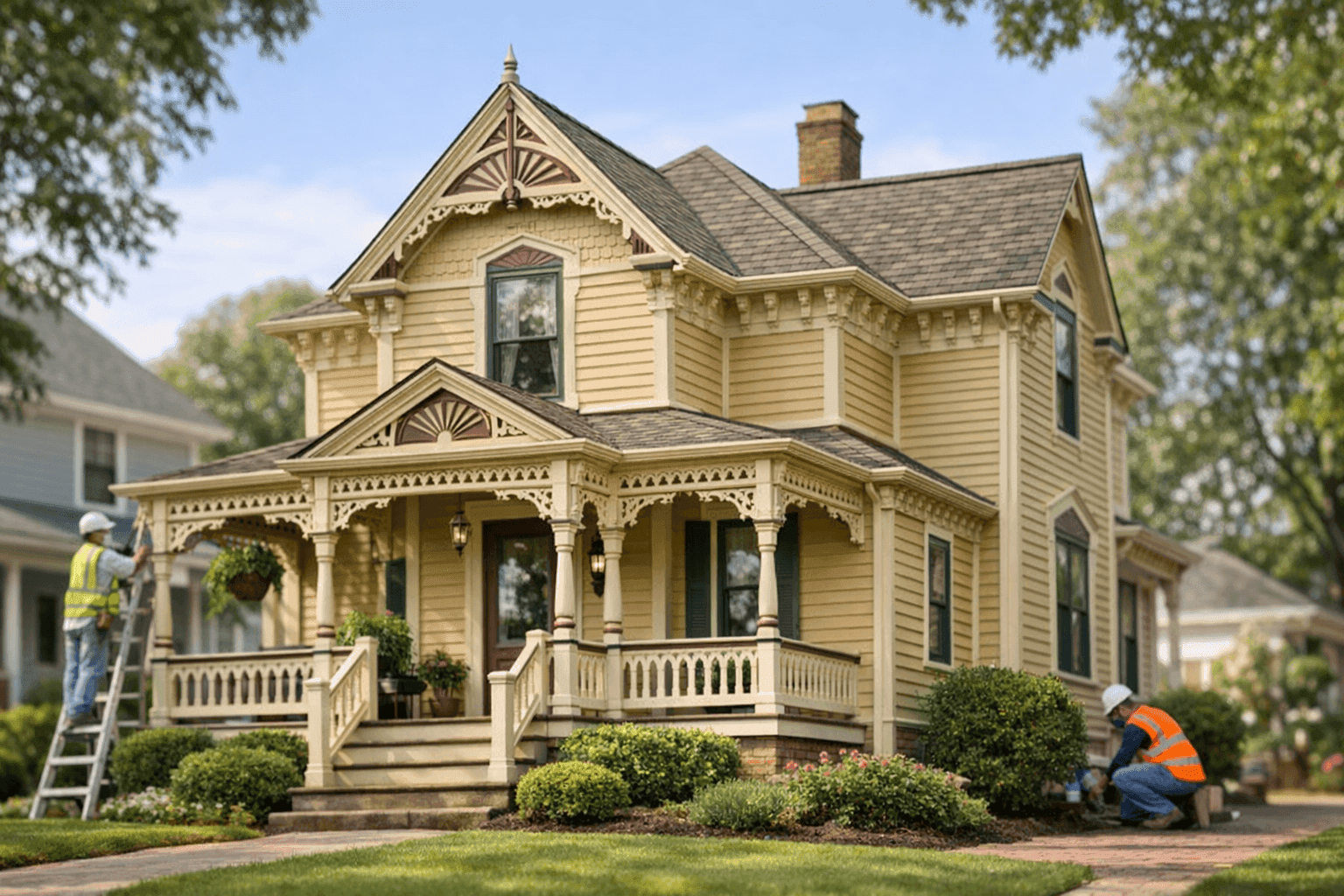
Owning a historic home is a privilege—and a puzzle. Every board, every corner, every faded paint chip tells a story. But when it’s time for siding repair or replacement, that story can get tricky fast.
At Schaefer Exteriors, we’ve helped families preserve their homes' character and comfort, from century-old farmhouses to charming Victorians. If you’re weighing your options, here’s what to know before you touch a single plank.
The Challenge: Matching Materials and Character
Restoring siding on older homes can feel like fitting together pieces of a vintage jigsaw puzzle. New materials rarely look or feel exactly like what’s already there. The original wood may be extinct or no longer milled in those sizes. Textures and widths might not match what’s in stock at the local hardware store.
But details matter. A mismatched board, an off-color trim—these things jump out. At Schaefer Exteriors, our Custom Siding Solutions process includes careful sourcing and even custom milling if needed. We also check for clues: old paint lines, nail patterns, and remnants hidden behind gutters.
Know Your Local Preservation Standards 🏛️
Some homes are protected by local, state, or national preservation rules. The National Park Service and many city historic districts have guidelines on what materials, colors, and methods are allowed. Ignoring these can lead to fines—or having to redo your work.
- Before starting, check with your local historic commission.
- Document what’s there now—even if it’s damaged.
- Save samples of original boards for reference.
Schaefer Exteriors navigates these standards for you, making sure your project respects the home’s place in history.
Siding Color Consultation Near You
Color isn’t just a style choice—it’s a way to honor the past. Historic homes often feature period-specific palettes. Think buttery creams, deep reds, or heritage greens. A modern color might look out of place, even if the siding is flawless.
Our Siding Color Consultation helps you find the right match, whether you want to recreate the original or refresh with a shade that fits the era. Sometimes, we even send chips to specialty labs for analysis.
Weighing Modern Upgrades Against Preservation
It’s tempting to want “just like new” efficiency, but not all upgrades fit every historic home. For example:
- Insulation: Adding insulation can save energy, but it may trap moisture in walls not designed for it.
- Fiber Cement Siding: Durable and low-maintenance, but heavier than traditional wood. Will framing support it?
- Siding Ventilation Solutions: Modern vents help, but must blend in visually.
We walk homeowners through the risks and benefits. Sometimes a subtle upgrade—like weatherproof caulking or hidden flashing—makes a big difference without changing the home’s face.
Sourcing Authentic Materials
Finding the right materials is half the battle. Our relationships with specialty mills and historic salvage yards mean we can often get matching siding, even for homes built before 1900.
When exact wood species or profiles aren’t available, we work with custom fabricators. This could mean replicating decorative trim, or matching the unique bevel of old clapboards.
The Importance of Siding Inspection
Before you begin, schedule a thorough siding inspection. Many older homes hide surprises: rot, insect damage, or layers of siding stacked on top of each other from earlier renovations.
A professional inspection pinpoints what’s original and what’s been added. It also helps determine whether replacement or repair is best.
When to Repair, When to Replace
Not every board needs to go. Sometimes, selective repair preserves more character and costs less.
- Repair if: Only a few boards are damaged, or the original wood is irreplaceable.
- Replace if: Rot, infestation, or previous bad repairs are widespread.
We often combine both: repairing where we can, replacing only when necessary.
Wood Siding Installation: Still the Gold Standard
For many historic homes, nothing matches the look and feel of real wood. Our Wood Siding Installation service uses high-quality, kiln-dried wood—often the closest modern equivalent to what your home had originally.
We pay close attention to:
- Board width and thickness
- Edge profiles (beveled, shiplap, tongue and groove)
- Grain direction and texture
Finishing touches, like hand-driven nails and period-appropriate paints, make a difference.
The Role of Trim, Molding, and Details
Trim and molding aren’t just decoration—they’re part of the home’s story. Replacing them with generic options can erase decades of character.
We custom-match profiles, using photos and physical samples. Corners, window surrounds, soffits, and fascia are all carefully restored or recreated.
Siding Caulking and Sealing: Protecting What’s Already There
Older homes can be drafty. Gaps in siding let in water and pests. Caulking and sealing, when done with the right materials, adds protection without changing the look. Modern sealants last longer but must be compatible with old wood and paints.
Common Mistakes to Avoid
- Using vinyl or metal siding without checking preservation rules
- Painting over rotten wood
- Ignoring hidden water damage or failing to add new flashing where needed
- Choosing colors that clash with the home’s era
Small shortcuts can lead to big regrets. If you’re unsure, ask for help.
DIY or Call a Pro?
Some repairs—like painting or replacing a few boards—might be DIY-friendly. But matching profiles, navigating preservation codes, or dealing with hidden structural issues? Those call for experienced hands.
Our crews have worked on everything from 19th-century mansions to simple Craftsman bungalows. We know how to minimize disruption and keep the process transparent.
Timeline and What to Expect
Restoring siding on a historic home isn’t an overnight job. Here’s a general flow:
- Siding inspection and documentation
- Material sourcing (may take extra time for specialty woods)
- Repair and/or replacement, including custom trim
- Painting or sealing
- Final walk-through and maintenance tips
Weather, material lead times, and hidden damage can all affect the timeline.
Costs and Value Considerations
Restoring historic siding can be an investment, but it preserves and often increases your home’s value. Period-appropriate materials and colors add curb appeal—and keep you on the right side of local codes.
Ask for a detailed estimate, with options for repair versus full replacement. We’re always happy to walk you through the logic behind our recommendations.
Maintenance: Keeping the Story Going 📅
Historic homes need regular TLC. Inspect siding yearly for cracks, peeling paint, or gaps. Clean gently—pressure washing can damage old boards. Plan to repaint or reseal every 5-10 years, depending on exposure.
When storms hit or issues arise, prompt repairs keep small problems from growing.
FAQs About Historic Siding
Can I use modern materials that look like wood?
Sometimes. Fiber cement and engineered wood can mimic wood’s appearance, but check with your historic district first.
What if my siding has lead paint?
Lead paint is common on older homes. Removal should be done by certified professionals, following EPA guidelines.
Do I need a building permit?
Likely yes—especially in historic districts. Always confirm before starting work.
Can I add insulation?
Maybe. Some wall systems can’t handle added insulation without trapping moisture. We can advise based on your home’s construction.
Real Experience, Real Results
Restoring historic siding is more than a job—it’s a responsibility. Our experience with sourcing, matching, and installing period-appropriate materials gives homeowners peace of mind.
If you’re searching for a siding company with proven results on historic projects, or want to talk to real people who understand your home’s quirks, consider working with Schaefer Exteriors.
For those in Montana, learn more about our siding services and Wood Siding Installation for historic homes.
Ready to preserve your home’s legacy—or bring new life to its story?
Call Schaefer Exteriors now — or reach us anytime at 877-331-5875 .