Siding for Energy Savings: What Works?
The Real Cost of Drafts and High Bills
You know that feeling—stepping into your living room in January, only to be greeted by a chill that seems to seep right through the walls. Or maybe your summer AC runs non-stop, but the house never feels cool. If this sounds familiar, your siding and insulation might be letting you down.
At Schaefer Exteriors, we’ve helped hundreds of homeowners stop the leaks—of both air and money. Let’s break down how the right siding and insulation choices can put you back in control.
Siding Materials: Which Ones Keep Your Home Cozy?
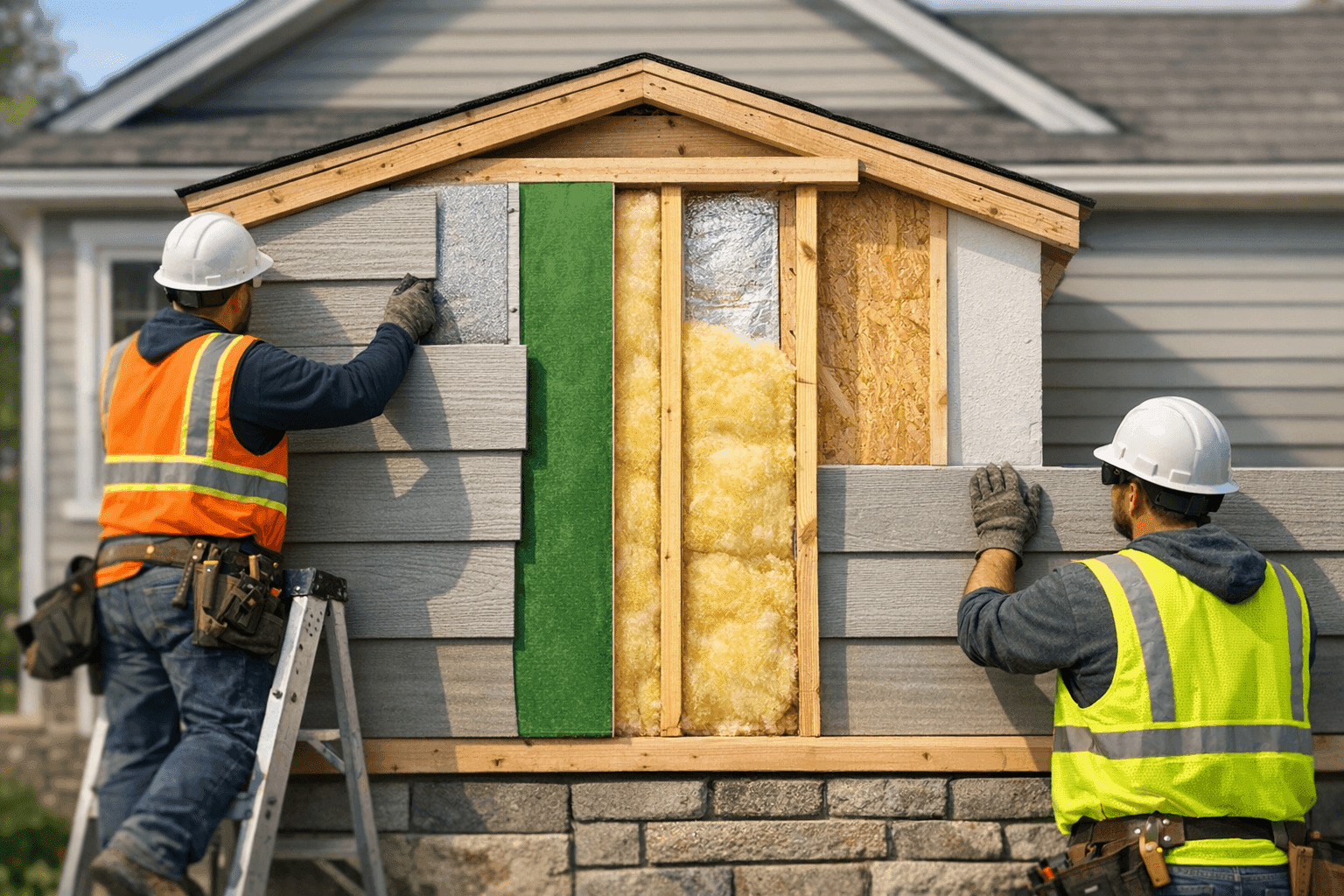
Not all siding is created equal. Some materials act like a thick winter coat, while others are more like a thin windbreaker. Here’s what you need to know:
- Vinyl Siding: Affordable, low-maintenance, but only moderate insulation value. Needs added insulation to perform at its best.
- Fiber Cement Siding: Tough as nails and resists weather, but it’s not a thermal superstar on its own. Combine with quality insulation.
- Wood Siding: Naturally insulates better than metal or vinyl, but needs regular care to stay effective.
- Stucco Siding: Offers decent insulation, especially when paired with a solid underlayment.
- Metal Siding: Extremely durable but can conduct heat and cold unless properly insulated.
The key? It’s rarely just the siding. It’s the full system—siding, insulation, and professional installation—that keeps you comfortable.
Insulation Upgrades: The Unsung Hero 🏠
Think of insulation as the fleece lining inside your home’s jacket. Even the best siding can’t do the job alone. Here’s where insulation makes the difference:
- Rigid Foam Boards: Great at stopping heat flow and moisture.
- Insulated Vinyl Siding: Two birds, one stone—siding and insulation in one package.
- Blown-in Cellulose or Fiberglass: Perfect for filling tricky gaps behind siding.
Upgrading insulation during a siding project often delivers the fastest return on investment. The U.S. Department of Energy recommends at least R-13 to R-23 for most exterior walls in residential homes.
For more on building codes and insulation, check out resources from the International Code Council (ICC) and ENERGY STAR®.
Weatherproofing: Your First Line of Defense
Even the thickest siding won’t help if water or wind sneaks in through the cracks. That’s where weatherproofing steps in—think of it as taping up the seams on your winter coat.
- House Wraps: Keep moisture out while letting your home breathe.
- Proper Flashing: Directs water away from windows, doors, and corners.
- Caulking and Sealing: Stops drafts dead in their tracks.
Weatherproofing is included in every siding project by Schaefer Exteriors. It’s not an add-on—it’s essential.
Installation Quality: Don’t Cut Corners
You wouldn’t trust a drafty zipper on your best jacket. The same goes for siding installation. Even the most expensive materials won’t protect your home if installed poorly.
- Gaps, misaligned panels, and skipped insulation can all sabotage your investment.
- Always ask your siding contractor about their process, certifications, and if they follow manufacturer guidelines.
Choosing a pro who treats every detail seriously pays off in comfort and lower bills for years.
Eco-Friendly Siding: Save Energy, Shrink Your Footprint 🌱
Want to cut bills and help the planet? Some siding materials do both. Look for:
- Recycled Content: Many modern fiber cement and vinyl products use recycled materials.
- Reflective Finishes: Light-colored or reflective siding bounces heat, reducing cooling costs.
- Sustainable Wood: Responsibly harvested wood siding offers a renewable choice.
Learn more about sustainable options on our Eco-Friendly Siding Options page.
Siding Color Consultation: Looks Matter for Efficiency
Lighter colors reflect sunlight, keeping homes cooler in summer. Darker shades absorb heat, which can help in cold climates but increase cooling costs in warm ones. A Insulation Installation helps match your style—and energy goals.
Signs Your Siding Is Failing (and Costing You)
Keep an eye out for these warning signs:
- Unexplained spikes in heating or cooling bills
- Cold or hot spots along walls
- Visible gaps, warping, or rot on siding panels
- Peeling paint or moisture stains inside
These red flags mean your home is losing energy—fast.
Prevention & Maintenance: Stop Problems Before They Start 🔧
A little maintenance goes a long way:
- Inspect siding and caulking every spring and fall.
- Clean debris from gutters and downspouts.
- Schedule regular siding inspections to catch minor issues before they grow.
Staying ahead of small repairs can prevent big energy losses.
DIY vs. Call a Pro: When to Get Help
Some tasks—like caulking or painting—are within reach for handy homeowners. But for insulation upgrades, new siding installation, or anything involving structural repairs, it’s safest to call in licensed siding specialists.
Pros bring the right tools, materials, and know-how to handle surprises that pop up behind your walls.
The ROI of Siding and Insulation Upgrades
Let’s talk numbers. Quality siding and insulation can cut heating and cooling costs by up to 20%, according to ENERGY STAR®. That means real money back in your pocket year after year.
Plus, new siding boosts curb appeal and resale value. It’s one of those rare upgrades that pays you back in comfort, savings, and home value.
Timeline & Disruption: What to Expect
A typical siding or insulation upgrade takes several days to a week. Weather, home size, and material choices can all affect timing.
Professional crews keep disruption to a minimum—protecting landscaping, cleaning up daily, and keeping you in the loop throughout.
What to Ask Your Siding Pro
Before you sign on the dotted line, ask these key questions:
- What insulation materials do you recommend for my home?
- How do you handle weatherproofing and flashing?
- Can you show me past projects similar to mine?
- Are you licensed and insured?
Clear answers mean you’re in good hands.
Common Mistakes That Waste Energy
Don’t let these pitfalls drain your wallet:
- Skipping insulation during siding replacement
- Ignoring damaged flashing or caulk
- Choosing style over performance (looks matter, but comfort comes first!)
Smart decisions now prevent headaches—and high bills—later.
Siding for Every Season: Plan Ahead
Winter cold, summer heat, spring storms—your siding faces it all. Choose materials and insulation that handle your local climate. For residents looking for siding services in Prescott Valley, make sure your solutions are tailored to the weather you face most.
When It’s an Emergency: Act Fast
Storms, impact damage, or sudden leaks? Fast action is critical. Emergency siding repairs can prevent bigger issues—like mold or structural damage—down the road.
Ready for Lower Bills and More Comfort?
Choosing the right siding and insulation isn’t just about looks—it’s your ticket to a more comfortable, energy-smart home. Whether you’re planning a renovation or building new, Schaefer Exteriors is here to help with honest advice and proven solutions.
Call Schaefer Exteriors now — or reach us anytime at 877-331-5875 .