Siding Flashing: Why It Matters and How to Spot Failures
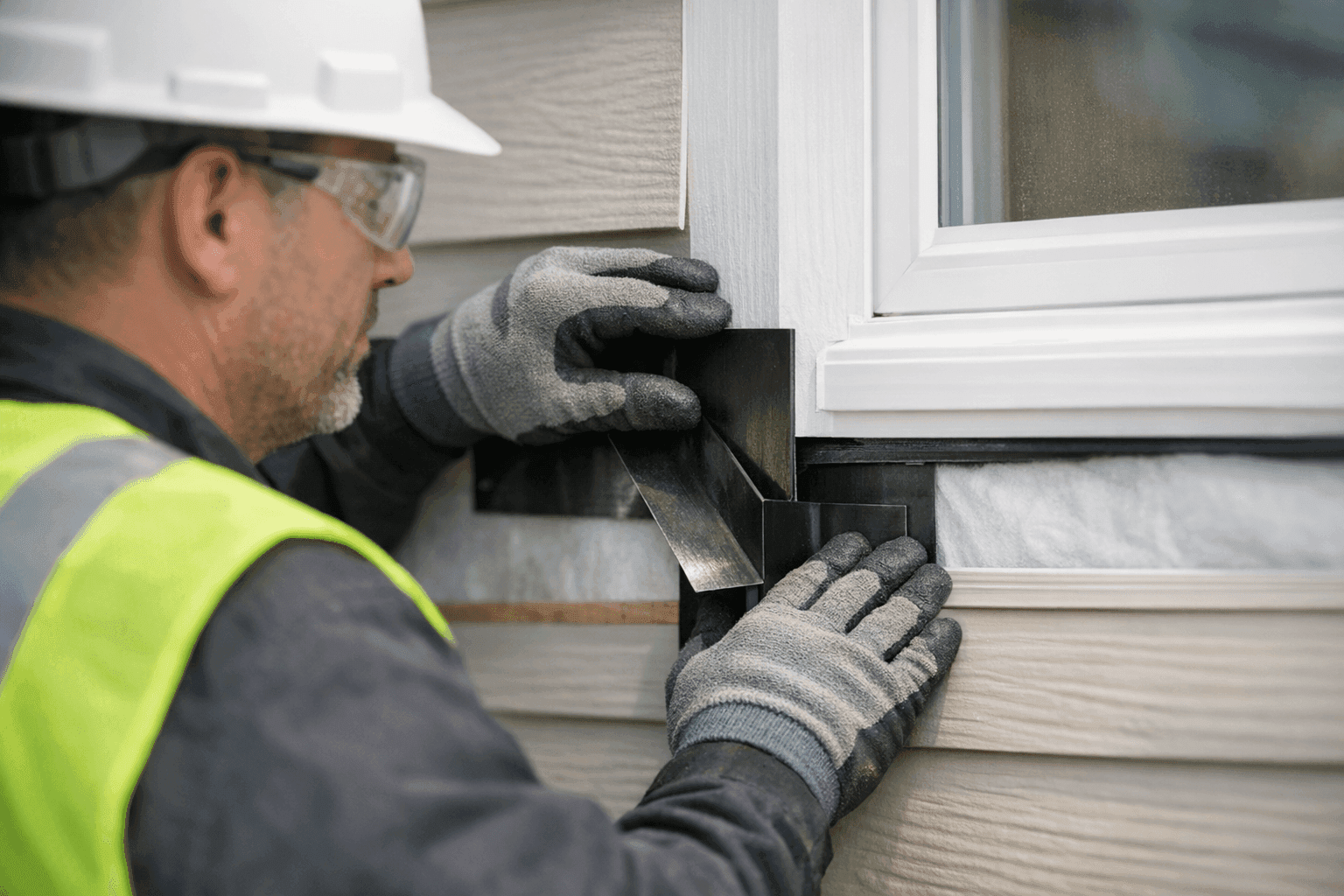
Keeping your home dry sounds simple—until water sneaks in behind your siding. One hidden hero stands between you and costly repairs: flashing. It’s the unsung shield that protects your walls from rain, snow, and every storm in between.
At Schaefer Exteriors, we see what happens when flashing fails. It’s not pretty. But with a little know-how, you can spot trouble before it soaks in. Here’s how.
What Is Siding Flashing?
Flashing is thin metal or flexible material tucked behind siding at vulnerable points. Think of it like an umbrella’s edge, guiding water away from the places it could do the most harm: windows, doors, joints, and anywhere two surfaces meet.
It isn’t optional. Building codes (like those from the International Residential Code) require it. Done right, flashing keeps water out. Skipped or botched, and you’re inviting leaks, mold, and expensive headaches.
Why Flashing Is So Crucial
Imagine water as a nosy neighbor—always searching for a way in. Flashing is your locked door. It redirects rain and melting snow, stopping moisture before it seeps into your home’s bones.
Without proper flashing, even the best siding can fail. Moisture slips behind the panels, rotting wood, swelling insulation, and turning small problems into major repairs.
Where Flashing Matters Most
Some spots demand extra attention:
- Windows and Doors: Frames are natural weak points. Flashing bridges the gap where siding meets trim.
- Joints and Corners: Where siding panels overlap or meet, water loves to collect.
- Transitions: Changes in rooflines, porches, or decks can create tricky seams.
- Soffit and Fascia Edges: These spots see runoff and wind-driven rain.
If you want peace of mind, focus your inspections here.
Signs Your Siding Flashing Has Failed
Catch problems early, and you’ll save yourself a world of trouble. Here’s what to watch for:
- Water Stains: Discoloration on siding or interior walls.
- Rotting Wood: Spongy trim or siding that crumbles at the touch.
- Mold and Mildew: Musty smells or black spots—especially near windows and doors.
- Warped or Buckled Panels: Siding pulling away from the wall.
- Peeling Paint: Paint that blisters or flakes may signal trapped moisture.
- Dripping or Pooled Water: Especially after storms.
If you spot these signs, don’t wait. Water damage moves fast.
How to Inspect Your Siding Flashing
You don’t need X-ray vision. Just a careful eye and a few minutes can make a difference.
- Walk the Perimeter: Look for stains, gaps, or warped boards—especially around windows, doors, and corners.
- Check After Rain: Inspect for fresh water stains or drips.
- Touch Test: Gently press on trim and siding. Soft spots mean trouble.
- Look Inside: Sometimes, the first clue is a stain on your drywall or a musty odor.
Safety first: If you need a ladder, make sure it’s on solid ground and never stretch out of reach.
When to Call for Siding Repairs
Some fixes are simple, but flashing isn’t usually a weekend project. Call in a pro if:
- You see rot, mold, or soft spots.
- Panels are warped or falling off.
- Water leaks persist after rain.
- You’re unsure what you’re seeing.
At Schaefer Exteriors, we offer siding repair and consultation for homeowners who want it done right the first time.
Best Practices for Flashing Installation
Proper flashing is part science, part craftsmanship. Here’s how the pros do it:
- Layer Like Shingles: Each piece overlaps the next, directing water out and down.
- Use the Right Materials: Galvanized steel, aluminum, or flexible flashing membrane—chosen for your siding type.
- Seal Every Edge: High-quality caulk or sealant closes gaps.
- Follow Building Codes: Reference standards like the International Residential Code and manufacturer's guidelines.
- Inspect as You Go: Every layer gets checked before the next goes up.
Shortcuts here lead to long-term pain. If you’re building new or replacing siding, insist on these basics.
Prevention and Maintenance
A little care keeps flashing strong:
- Clean gutters regularly to prevent overflow.
- Trim back shrubs so they don’t trap moisture against your siding.
- Check caulk lines every season and touch up as needed.
- Inspect after big storms—wind-driven rain can work its way behind even well-installed siding.
Routine checks help you spot trouble before it grows.
DIY or Call a Pro?
Some tasks—like caulking a small gap—are safe for handy homeowners. But most flashing repairs demand skill and experience. Don’t gamble with your home’s protection. Water moves in mysterious ways, and a missed spot can undo all your efforts.
If you’re ever unsure, a siding inspection from Schaefer Exteriors brings peace of mind.
Flashing and New Construction
New builds are the best time to get flashing right. Mistakes made now can haunt a home for decades. We work closely with contractors, following local code and manufacturer specs at every step.
If you’re planning a new project, ask your builder about their flashing process. It’s as important as any other detail.
Storm Damage: When It’s an Emergency
After severe weather, hidden flashing failures can become obvious—fast. Water pouring in, wet insulation, or visible wood rot means you need urgent help.
Don’t delay. Emergency siding services not only prevent further damage, but also help document issues for insurance claims.
Materials Matter: Picking the Right Flashing
Not all flashing is created equal. Options include:
- Galvanized Steel: Durable, resists rust, ideal for many climates.
- Aluminum: Flexible, lightweight, but can corrode if not installed correctly.
- Flexible Membranes: Used for tricky corners or curved surfaces.
- Vinyl: Cost-effective, but less durable long-term.
We match materials to your home, climate, and budget. Quality counts—never settle for less.
The Cost of Flashing Problems
Flashings are a small line item in your siding project. But when they fail, repairs can snowball: mold remediation, rotten framing, even interior drywall replacement.
Fixing a small section now? Affordable. Waiting until water invades the walls? That’s a whole different story.
Common Flashing Mistakes (and How We Avoid Them)
Homeowners and inexperienced installers sometimes:
- Skip flashing at “minor” joints.
- Overlap pieces the wrong way—sending water in, not out.
- Use cheap caulk that fails in one season.
- Forget to follow manufacturer guidelines.
At Schaefer Exteriors, we treat every joint as critical. Our process is meticulous, every time.
Seasonal Considerations for Flashing
Winter freeze-thaw cycles and summer storms both put flashing to the test. Inspect before and after extreme weather. Pay special attention in spring—melting snow can reveal leaks you never saw coming.
Timeline and Disruption: What to Expect
Most flashing repairs are fast—often a day or less for a single trouble spot. Larger jobs, like full siding replacement, take longer. We work to minimize disruption, keeping your home safe and tidy throughout.
FAQ: Siding Flashing Essentials
Q: Can flashing be added to existing siding?
A: Yes, but it may require removing and reinstalling some panels.
Q: How long does flashing last?
A: Quality materials, properly installed, can last as long as your siding—sometimes decades.
Q: Is flashing included in my siding warranty?
A: Often, yes. We’ll review your warranty and explain what’s covered.
Q: How often should I inspect my siding flashing?
A: Twice a year—spring and fall—and after major storms.
Ready to Keep Water Out for Good?
Don’t let a small leak become a big problem. Whether you need inspection, repair, or Siding Color Consultation near you, we’re here to help.
Call Schaefer Exteriors now — or reach us anytime at 877-331-5875 .