Siding Flashing: Why It Matters and How to Repair It
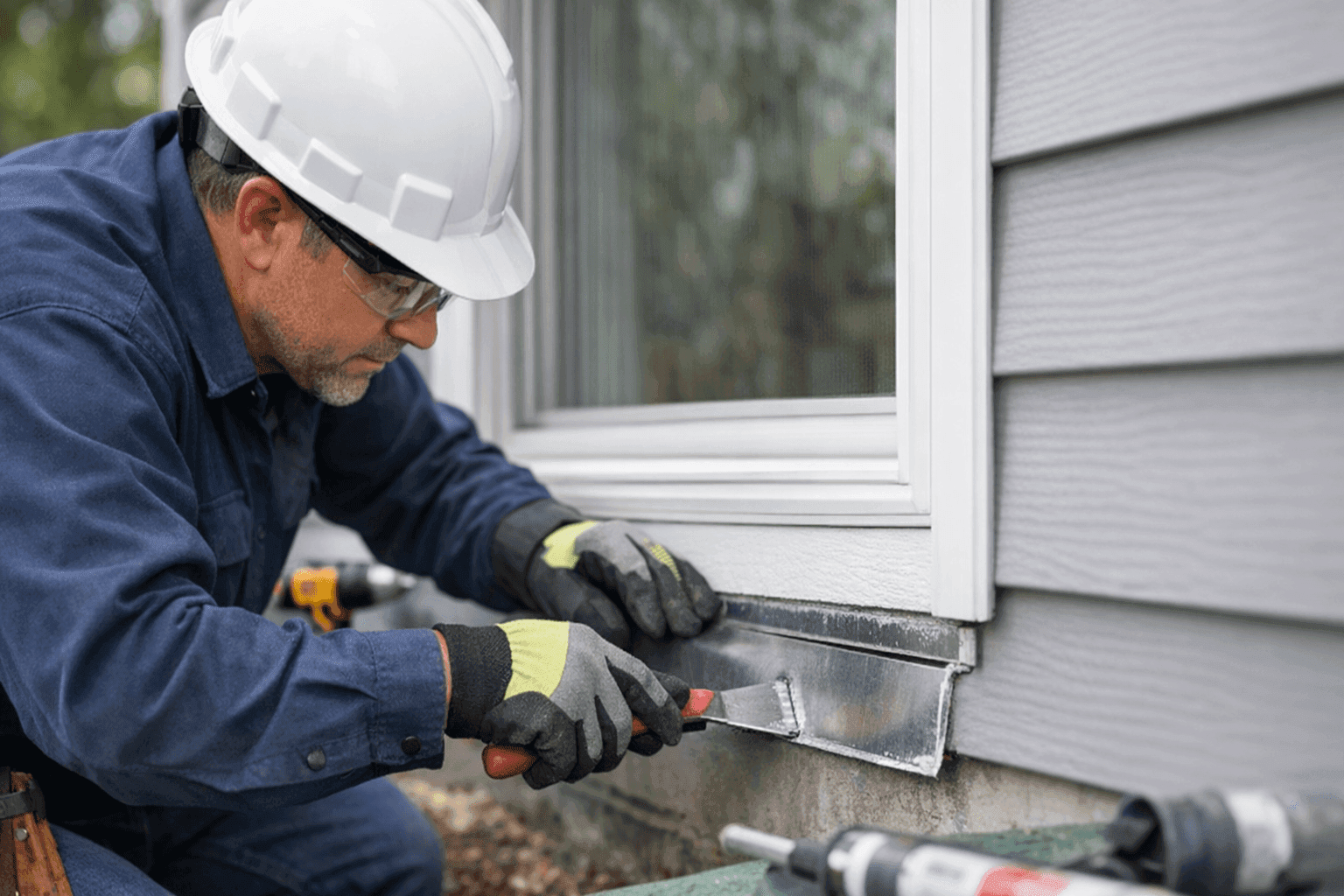
When it rains, your siding is the first line of defense. But hiding behind those beautiful boards is a thin, often-overlooked shield: the flashing. Without proper siding flashing, water finds its way inside, leading to headaches no homeowner wants.
At Schaefer Exteriors, we know how easy it is to focus on curb appeal and forget the critical details that keep your home safe and dry. But neglecting flashing is like leaving your umbrella at home in a downpour—sooner or later, you’ll get soaked.
What Is Siding Flashing? 🏠
Siding flashing is the unsung hero of your home's exterior. It’s a thin layer—metal, vinyl, or sometimes rubber—that’s installed at vulnerable spots: where siding meets windows, doors, roofs, and foundations. Think of it as the raincoat seam that keeps water from sneaking in at the edges.
Flashing directs water away from joints and seams. Without it, water seeps in, causing rot, mold, and even structural issues. According to the International Residential Code (IRC), flashing is required anywhere siding changes direction or meets another surface. It’s not just best practice—it’s code.
Common Flashing Problems
Flashing might be tough, but it’s not invincible. Here’s where things often go wrong:
- Improper installation: Even a small gap can let water in.
- Weathering: Sun, wind, and rain wear flashing down over time.
- Corrosion: Metal flashing rusts if not sealed or painted.
- Physical damage: Hail, windblown debris, or careless repairs can bend or break flashing.
- Poor material choice: Using the wrong type for your siding or climate is a recipe for trouble.
Signs of Failure
How do you know your flashing isn’t doing its job? Watch for these red flags:
- Staining or streaks: Water marks below windows or along seams.
- Soft, warped, or buckling siding: Moisture sneaking behind the boards.
- Mold or mildew: Especially inside, near the baseboards or window sills.
- Peeling paint: Paint blisters from moisture trapped underneath.
- Musty smells: Hidden water means hidden problems.
If you spot any of these, don’t wait. Water damage compounds quickly—what starts as a trickle can become a torrent.
Quick Safety Checklist Before You Start
Before you tackle flashing repair, remember:
- Turn off electricity near the area (water and wires don’t mix).
- Wear gloves and eye protection.
- Use a sturdy ladder on firm ground.
- Check the weather: Never work on siding in wet or windy conditions.
Safety first. If you’re unsure, it’s best to bring in a siding contractor.
Repair Methods: DIY or Pro?
Repairing siding flashing can range from simple caulking to full replacement. Here’s what’s involved:
Minor Issues
- Loose flashing: Re-secure with new nails or screws.
- Small gaps: Fill with high-quality exterior caulk.
- Minor rust: Sand lightly, treat with primer, and repaint.
Major Damage
- Cracked or missing sections: Remove the siding above the damage, replace the flashing, and reinstall siding.
- Rot or mold: Cut out affected materials, replace with new, and address any insulation or framing issues behind.
Always use materials that meet local building codes—aluminum, galvanized steel, or PVC, for example. The North American Siding Association offers clear guidance on best practices.
What the Pros Do on Arrival
A siding specialist approaches flashing repair like a detective:
- Full inspection: Not just the visible damage, but all vulnerable areas.
- Moisture check: Using moisture meters to find hidden leaks.
- Material match: Choosing flashing that fits your siding type and color.
- Code compliance: Ensuring repairs meet current standards.
- Documentation: Photos and notes for your records (and insurance, if needed).
When to Call an Expert
Some flashing problems go deeper than they look. Call a professional if:
- Water damage is inside your walls.
- There’s visible rot or mold.
- You’re dealing with more than a small section.
- Your home’s warranty requires certified repairs.
- You’re prepping for a siding replacement or major renovation.
You don’t want to gamble with your home’s structure. For quick, reliable Siding Repair, a trained team can save you time, stress, and long-term costs.
Prevention & Maintenance Tips
A little care goes a long way:
- Inspect siding annually: Check all seams, especially after storms.
- Keep gutters clear: Overflowing gutters dump water behind your siding.
- Trim back shrubs: Allow air to circulate and keep moisture off your walls.
- Caulk as needed: Fill small gaps before they become big problems.
- Schedule regular siding inspections: Especially if you notice any changes.
Regular check-ups are the best way to avoid nasty surprises.
Seasonal Considerations
Spring and fall are perfect for siding inspections—before heavy rains or freezing temps arrive. Ice dams in winter and wind-driven rain in summer can push water where it doesn’t belong. If you see damage after a storm, act fast.
Common Mistakes Homeowners Make
It’s easy to miss the mark:
- Ignoring small leaks: They get bigger, fast.
- DIY with the wrong materials: Not all flashing is the same—what works for vinyl may fail on wood siding.
- Sealing over rot: Covering up damage doesn’t fix it.
- Skipping permits: Even small repairs may need inspection.
When in doubt, bring in a siding specialist for a Siding Color Consultation.
Timeline & Disruption
Most minor flashing repairs take just a few hours. Larger jobs—especially if there’s hidden water damage—can stretch over a day or two. Experienced crews work neatly, keeping disruption to a minimum.
Materials and Equipment
Pros rely on:
- High-quality metal, PVC, or composite flashing
- Exterior-grade caulk and sealants
- Stainless or galvanized fasteners
- Moisture meters
- Protective gear
Using the right materials pays off in longevity and peace of mind.
Costs & Time Factors
Flashing repair costs depend on:
- Extent of damage
- Materials required
- Accessibility (two-story homes, for example, are trickier)
- Whether there’s underlying rot or mold
Investing in proper flashing saves money in the long run by preventing expensive structural fixes.
When It’s an Emergency
If water is pouring in or you notice sudden, severe damage after a storm, don’t wait. Emergency siding services are essential. Quick action can protect your home’s framing and keep repairs manageable.
FAQ: Siding Flashing Edition
Q: Can I just caulk over old flashing?
A: It’s a short-term fix at best. Damaged flashing should be replaced.
Q: Does all siding need flashing?
A: Yes—even “maintenance-free” siding needs flashing at vulnerable junctions, per building code.
Q: How often should I inspect my siding flashing?
A: At least once a year, and after major storms.
Q: Will insurance cover flashing failure?
A: Sometimes—check your policy, especially after storm damage.
Final Thoughts: Don’t Gamble with Water Damage
Siding flashing may be hidden, but its importance is crystal clear. Like the seatbelt in your car, you hope you never need it—but when you do, it’s absolutely vital.
If you’re seeing any warning signs, or want the peace of mind that comes with a professional inspection, Schaefer Exteriors is here to help. For trusted siding services, maintenance tips, or a full siding overhaul, we’re ready to protect your home against whatever the weather brings.
Call Schaefer Exteriors now — or reach us anytime at 877-331-5875 .