Siding Caulking and Sealing: Essential Maintenance for Longevity
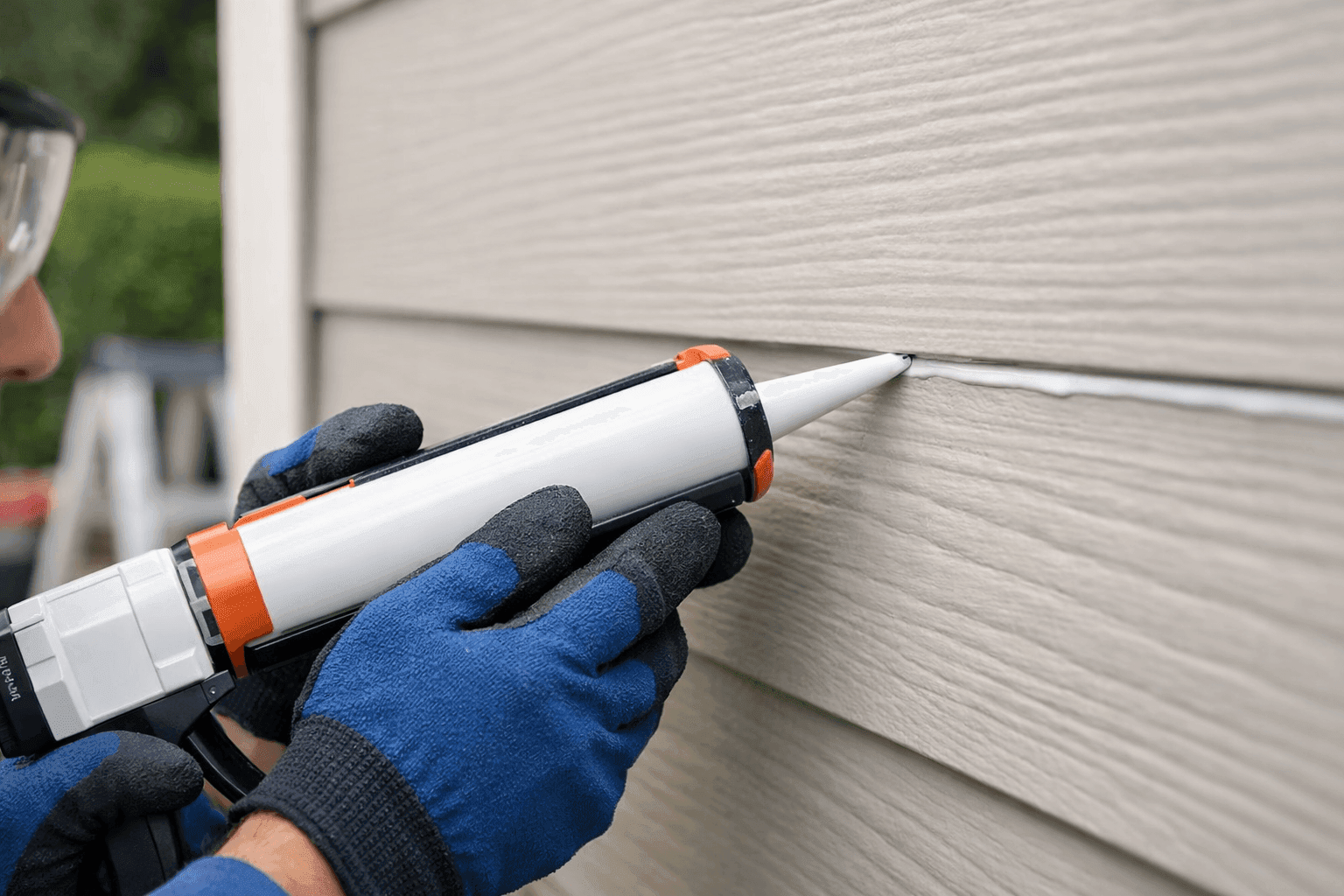
Keeping your home’s siding sealed isn’t just about looks—it’s about protection. Crack, peel, and water intrusion can sneak in quietly, but their impact can be loud and costly. At Schaefer Exteriors, we see every week how a few tubes of caulk and a steady hand can mean years of extra life for your home’s exterior.
Siding caulking and sealing is more than a chore—it’s a habit. Like brushing your teeth or checking your smoke detector, regular attention keeps small problems small. Let’s dig into why it matters, when to act, and how to do it safely.
Why Caulking Matters 🏡
Imagine your siding as a raincoat for your house. Without well-sealed seams and edges, water sneaks under the fabric, soaking into insulation, framing, and drywall. Over time, this moisture invites mold, rot, and—eventually—expensive repairs.
Proper siding caulking and sealing:
- Blocks water from entering cracks and gaps
- Stops insects and pests from finding a way inside
- Reduces drafts and boosts energy efficiency
- Preserves the beauty and value of your home
- Extends the lifespan of both siding and underlying structure
The International Residential Code (IRC) and many local building codes stress the importance of weatherproofing exterior cladding. It’s not optional; it’s essential.
When to Reseal Siding
Timing is everything. Too soon, and you’re wasting materials. Too late, and you’re already facing hidden damage.
Check your siding at least twice a year:
- After winter’s freeze/thaw cycles
- Following heavy storms or wind events
Signs you need to reseal:
- Cracked, shrinking, or peeling caulk
- Gaps between siding boards or at trim joints
- Water stains on interior walls (a big red flag!)
- Drafts or sudden energy bill spikes
For new builds, freshly installed siding should be checked within the first year. After that, a 3–5 year inspection cycle works for most homes—unless you notice trouble signs earlier.
DIY vs Professional
A steady hand and patience can go a long way with basic caulking. But siding isn’t always a flat, easy surface. Some joints are high up. Others are hidden behind gutters or under eaves.
DIY works best for:
- Small touch-ups you can reach safely
- Simple gaps or cracks in low-traffic areas
- Homeowners comfortable with ladders and tools
Call a professional for:
- Multi-story homes
- Extensive gaps, warped siding, or suspected water damage
- Historic or custom siding materials
- If you’re unsure about products or safety
Remember: Working at heights is risky. Always follow OSHA ladder safety guidelines, and never stretch or reach further than your balance allows.
Common Problem Areas 🕵️
Not all siding is created equal—and some spots are notorious for letting in water.
Watch these areas closely:
- Window and door frames
- Corners where siding meets trim
- Joints between different materials (wood to metal, siding to stucco)
- Around utility penetrations (pipes, vents, cables)
- Under soffits and at rooflines
Use a flashlight and a thin probe (like a toothpick) to test suspicious gaps. If it slides in more than 1/8 inch, it’s time for fresh caulk.
Best Products for Siding Caulking and Sealing
The caulk aisle can feel overwhelming. What’s right for your siding type and climate?
Look for:
- Polyurethane or high-grade silicone caulk for exterior use
- Paintable options if you’ll be matching your siding color
- UV and weather-resistant formulas
- Products labeled “flexible” or “elastomeric” for expansion and contraction
Avoid:
- Cheap latex caulk (it won’t last)
- Indoor formulations (they’re not weatherproof)
- Anything past its expiration date
For wood, fiber cement, metal, and vinyl, manufacturer guidelines (like those from James Hardie or CertainTeed) are your best resource.
Quick Safety Checklist
- Wear gloves and eye protection—caulk can irritate skin and eyes
- Use a sturdy, rated ladder on flat ground
- Never caulk on wet or icy surfaces
- Ventilate the area if using solvent-based products
- Keep children and pets far from the work zone
Routine Siding Maintenance: Your Best Defense
Think of siding caulking and sealing as part of your regular Siding Maintenance plan. Quick checks after storms, a closer look before painting, and thorough inspection every few years prevent trouble from snowballing.
Costs & Time Factors
Caulking is one of the fastest, most affordable siding fixes available. Most homeowners can tackle small jobs in a few hours for the price of a couple tubes of caulk. Larger or multi-story homes may require a day or two and professional help—but the investment is minor compared to the cost of repairing hidden water damage.
When It’s an Emergency
If you see water pouring in after a storm, feel soft spots on your siding, or find black mold inside—don’t wait. Emergency Siding Caulking and Sealing is available for urgent situations. Fast action saves money and headaches down the road.
Signs of Trouble
Don’t ignore these warning signs:
- Bulging or warped siding panels
- Peeling paint or bubbling caulk
- Musty smells indoors
- Visible mold or mildew around siding edges
- Paint or caulk cracking away from the joint
Spot these early? You can often stop damage before it spreads.
Timeline & Disruption
Most caulking and sealing jobs can be completed in a day or less. For larger homes or commercial buildings, expect a bit more time. Drying and curing times will vary—read your product label closely. Keep kids and pets away from work areas until caulk is fully set.
Materials and Equipment: What You’ll Need
- High-quality exterior caulk
- Caulk gun (manual or powered)
- Utility knife and scraper for old caulk removal
- Rags and cleaning solution
- Painter’s tape for crisp lines
- Ladder or scaffolding (for upper stories)
Keep tools clean and dry for best results.
Prevention & Maintenance Tips
- Inspect siding every spring and fall
- Clean mildew and debris before caulking
- Replace caulk at the first sign of wear
- Don’t paint over fresh caulk until it’s fully cured
- Choose color-matched caulk for a seamless look
Routine checks make the difference. Think of it as insurance for your home.
Common Mistakes to Avoid 🚫
- Using the wrong product for your siding type
- Applying caulk to dirty or wet surfaces
- Overfilling joints or leaving gaps
- Ignoring manufacturer recommendations
- Skipping hard-to-reach areas
If in doubt, consult a siding specialist. Mistakes can lead to bigger headaches—and repairs.
Seasonal Considerations
Caulk and sealant work best in mild, dry weather. Avoid extreme cold or heat, as it affects curing. Spring and fall are ideal for most climates.
FAQ: Siding Caulking and Sealing
How often should I reseal my siding?
Every 3–5 years, or as soon as you see cracks or gaps.
Can I use indoor caulk outside?
No. Always choose exterior-rated caulk for weather resistance.
What’s the best way to match my siding color?
Look for paintable caulk, or ask your siding manufacturer for color-matched options.
Is caulking covered by my siding warranty?
Check your warranty paperwork—maintenance is often required to keep coverage valid.
Building Trust, One Inspection at a Time
At Schaefer Exteriors, we believe a well-maintained exterior is the key to a safe, comfortable home. Whether you need a quick inspection, a full reseal, or just advice on the right products, we’re here to help. Curious about siding services in your area? We’re always ready to answer your questions.
Call Schaefer Exteriors now — or reach us anytime at 877-331-5875 .