Metal Siding: Is It Right for Your Home?
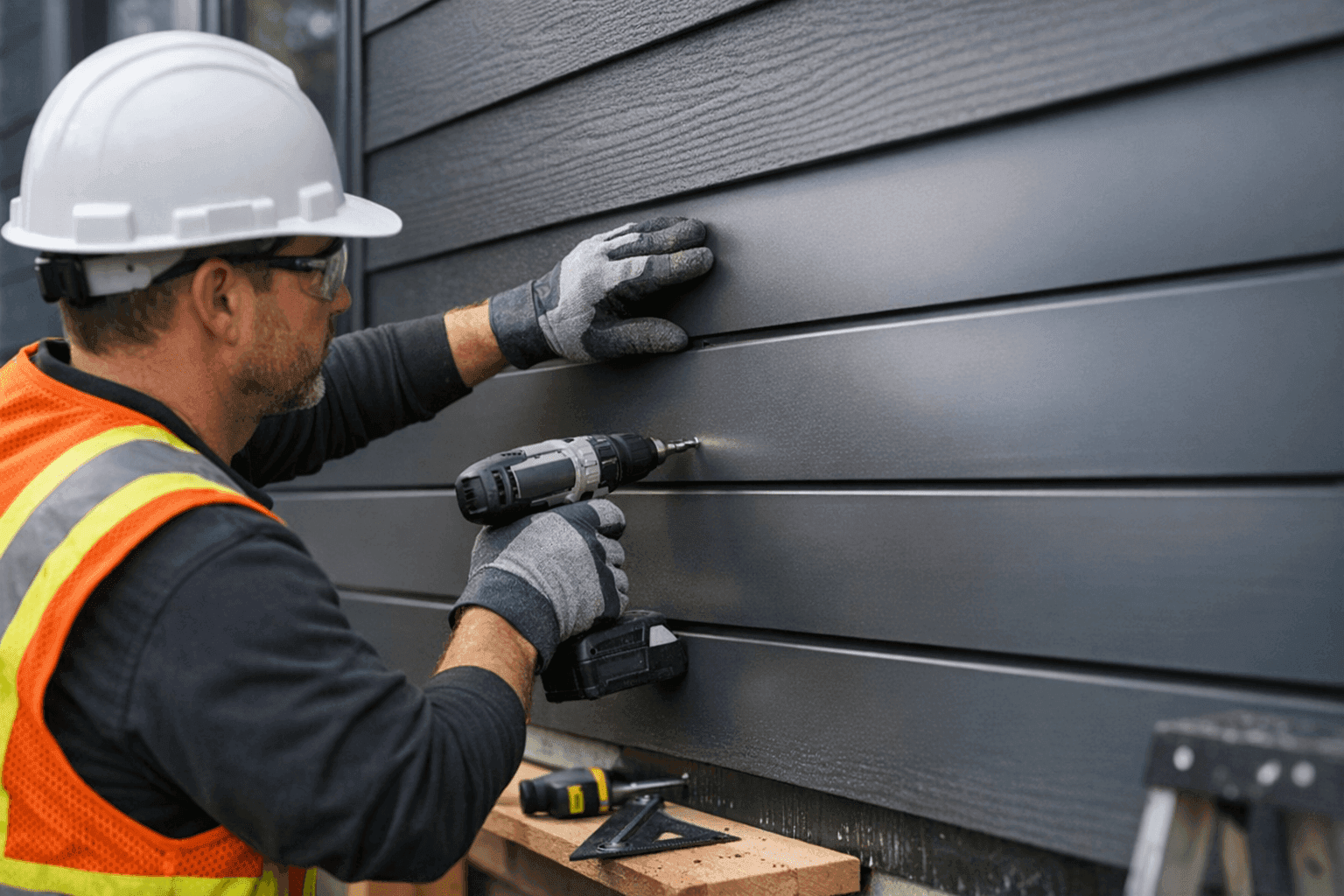
Metal siding has shed its industrial-only reputation. Today, it’s at home on everything from cozy bungalows to contemporary builds with bold lines. But is metal siding the right fit for your house, your climate, and your style? At Schaefer Exteriors, we know every homeowner faces a maze of choices—and we’re here to help you steer clear of costly regrets.
Let’s walk through the facts, the features, and the pitfalls. We’ll compare metal siding to other popular options, highlight design trends, and share what really matters for lasting curb appeal and comfort.
Types of Metal Siding
Metal siding isn’t one-size-fits-all. In fact, it’s more like a toolbox brimming with options:
- Steel Siding: Sturdy and heavy-duty, steel stands up to hail, wind, and the test of time. It’s popular for homes that need extra muscle.
- Aluminum Siding: Lightweight, naturally rust-resistant, and a solid pick near the coast. Aluminum can be painted in virtually any color.
- Corrugated Metal Panels: Those wavy panels you see on modern farmhouses? That’s corrugated metal. It brings texture and a rustic or industrial edge.
- Standing Seam: Sleek, vertical panels with raised seams—clean, modern, and often chosen for architect-designed homes.
- Custom Patterns: Some manufacturers offer metal siding embossed with wood grain or custom textures, blending old-school warmth with new-school durability.
Each type comes with its own quirks. Thickness, coatings, and finishes matter. For example, galvanized coatings help steel resist rust, while powder coatings add color and scratch resistance. Considering eco-friendly options? Many metal panels are made with recycled content and can be recycled at end of life. ♻️
Benefits and Drawbacks
Let’s get real. No siding is perfect for every home, family, or climate.
The Upsides
- Durability: Metal laughs at termites, shrugs off woodpeckers, and doesn’t rot.
- Fire Resistance: Steel and aluminum won’t ignite, a major plus in wildfire zones.
- Low Maintenance: Forget scraping, patching, or treating for pests—just occasional cleaning.
- Modern Looks: Metal siding offers sharp, contemporary profiles and bold color choices.
- Sustainability: Many metal products use recycled material, and most are recyclable.
The Tradeoffs
- Noise: In heavy rain or hail, metal can sound like a snare drum—unless properly insulated.
- Dents and Scratches: Hail, baseballs, or dropped ladders can leave a mark, especially on softer aluminum.
- Upfront Cost: While metal lasts, it can cost more to install than vinyl or fiber cement.
- Thermal Movement: Metal expands and contracts with temperature swings. Poor installation can cause buckling.
- Corrosion: Steel needs good coatings to avoid rust, especially in salty or humid climates.
Comparing to vinyl, wood, and fiber cement? Vinyl is cheaper but less durable. Wood brings warmth but demands maintenance. Fiber cement sits in the middle—tough, paintable, but heavier and harder to install than metal.
Installation Process
Installing metal siding is a craft. It’s more than just screwing panels to a wall.
- Site Prep: Remove old siding, inspect sheathing, and repair any damage. A clean, dry surface is essential.
- Moisture Barrier: Pros always install a weather-resistant barrier—critical for code compliance and long-term protection.
- Flashing and Trim: Details matter. Metal siding needs well-fitted flashing around windows, doors, and corners to keep water out.
- Panel Attachment: Panels are measured, cut, and secured according to manufacturer specs. Fasteners must allow for expansion and contraction.
- Sealing Joints: Caulking and gaskets protect seams from wind-driven rain.
- Ventilation: Proper soffit and fascia installation helps your home breathe and prevents trapped moisture.
DIYers be warned: Metal siding demands precision and the right tools. Small mistakes, like misaligned panels or improper fasteners, can lead to leaks or warping. For safety and warranty protection, most building codes recommend you hire trained siding professionals.
Curious about process details or building codes? The International Residential Code (IRC) and your local building department are key resources.
Maintenance Needs
Metal siding is like a low-maintenance garden. It doesn’t demand much, but a little TLC goes a long way.
- Cleaning: Hose off dirt and pollen once or twice a year. For stubborn stains, use a soft brush and mild detergent.
- Inspect for Damage: After storms, check for dents, scratches, or chipped paint. Addressing small issues early prevents rust and bigger headaches.
- Paint Touch-Ups: If your siding is painted, keep an eye out for fading or peeling. Repainting may be needed every 15–20 years, depending on exposure.
- Check Seams and Caulk: Inspect caulk and flashing annually, resealing as needed to keep out moisture.
- Gutter & Downspout Care: Clean gutters regularly to prevent water from backing up and damaging siding panels.
Compared to wood (which needs regular sealing and painting) or fiber cement (which may need caulked joints maintained), metal siding is refreshingly simple.
Cost Factors
Wondering about your budget? Let’s break it down.
- Material Costs: Aluminum is usually less costly than steel. Custom colors, finishes, and embossed patterns add to the price.
- Labor: Skilled installation is a must—expect labor costs to be higher than for vinyl but often lower than for stone or brick.
- Prep Work: Removing old siding, repairing sheathing, or upgrading insulation can raise costs.
- Design Complexity: Intricate patterns, curved walls, or specialty trims require more time and materials.
- Insulation: If you upgrade insulation during siding installation, this adds upfront cost but can reduce long-term energy bills.
On average, metal siding lands in the mid-to-high range for initial investment. But it often pays off in lower maintenance and longer life. Compare this to vinyl (budget-friendly but less rugged) or fiber cement (similar cost, heavier, and more labor-intensive).
If you’d like a tailored estimate or want to compare siding options, schedule a Siding Material Consultation with our team.
Contemporary Design Options
Think metal siding is just for barns or sheds? Think again.
- Matte Finishes: Powder-coated metals in black, charcoal, or subtle earth tones look stunning and resist fingerprints.
- Mixed Materials: Pair metal panels with wood or stone for visual interest and warmth.
- Vertical or Horizontal Layouts: Change panel direction for a modern or traditional vibe.
- Bold Colors: From deep blues to crisp whites, metal siding offers a spectrum of hues—perfect for a statement home.
These options allow you to make your home stand out, or blend into a wooded lot with natural shades. If you want to see how metal siding could transform your curb appeal, ask about our Siding Color Consultation near you.
Safety Checklist Before You Begin
Safety starts before the first panel goes up:
- Confirm local code requirements and HOA guidelines.
- Use gloves—metal edges are sharp.
- Secure ladders on stable ground.
- Never install siding near overhead power lines without professional help.
- Always wear eye protection when cutting metal.
Ready for installation? Our crews follow OSHA safety guidelines on every job.
DIY or Call a Pro?
Tempted to tackle metal siding yourself? Consider this:
- Metal panels are heavy and unwieldy, especially in wind.
- Seams and flashing require precision—water finds the smallest mistake.
- Manufacturer warranties may require pro installation.
- Improper fastener placement can cause warping or noise.
For many homeowners, hiring a professional siding contractor saves time, stress, and future repair costs. Our crew at Schaefer Exteriors brings the right tools, skills, and safety know-how.
What to Expect When Pros Arrive
Here’s how a typical project unfolds:
- We walk your property and discuss your vision.
- Old siding is carefully removed and disposed of.
- Repairs to sheathing or framing are made.
- Moisture barriers, insulation, and flashing are installed.
- Panels go up, seams are sealed, and trim is finished.
- A final walkthrough ensures quality and satisfaction.
We keep your yard tidy and your project on schedule.
Preventing Common Mistakes
Even the best materials can’t fix sloppy installation. Watch for:
- Panels installed too tightly (causing buckling)
- Improperly sealed seams (leading to leaks)
- Skipped flashing at windows/doors
- Poor fastening (resulting in rattling or wind damage)
- Mismatched finishes (causing uneven weathering)
Our team avoids these pitfalls with careful prep and attention to detail.
Seasonal Considerations
Metal siding handles the seasons better than most. But a few tips help:
- In cold climates, proper insulation prevents condensation.
- Coastal homes need extra corrosion protection—ask about marine-grade coatings.
- In hail-prone zones, consider thicker steel panels for dent resistance.
Seasonal checks—especially after extreme weather—keep your siding looking sharp.
Signs of Trouble
Catch problems early:
- Dents, scratches, or bubbling paint
- Rust spots, especially near fasteners
- Loose or rattling panels
- Water stains inside walls or around windows
Spot something off? Early repair can prevent bigger headaches down the road.
Timeline & Disruption
Most single-family homes take 1–2 weeks for a full metal siding job, depending on size and design complexity. Weather can cause delays, but teams work to minimize disruption. You’ll have a project manager as your point of contact—no guessing games.
Comparing Metal to Other Materials
- Vinyl: Cheaper, less durable, and more prone to fading or cracking.
- Wood: Classic look, but high maintenance and vulnerable to pests.
- Fiber Cement: Tough, fire-resistant, but heavier and sometimes costlier to install.
- Stucco: Good insulator, but can crack and needs professional repairs.
Metal siding is a top performer in durability, fire safety, and modern aesthetics. It’s not the lowest-cost solution, but its longevity and low maintenance can tip the scales for many families.
If you’re weighing options, our Metal Siding Installation page has more details.
FAQ: Metal Siding for Homes
Does metal siding rust?
With the right coatings, rust is rare. Galvanized steel and aluminum resist corrosion.
Is metal siding energy efficient?
Paired with good insulation, metal siding can help regulate home temperatures.
Can I paint metal siding?
Yes—most metal panels can be painted or powder coated, offering color flexibility.
How long does metal siding last?
Expect 40–70 years, depending on product and maintenance.
Is metal siding noisy?
Proper insulation and installation greatly reduce noise concerns.
Local Siding Services
Looking for a reliable siding company for your project? Schaefer Exteriors offers full-service installation, repair, and siding for Yakima and nearby areas.
Your home’s exterior is more than just a shell—it’s your first impression, your weather shield, and your investment. Metal siding is a strong contender for homeowners who value longevity, safety, and fresh design. If you’re ready to explore your options, or want to see color samples in person, we’re just a call away.
Call Schaefer Exteriors now — or reach us anytime at 877-331-5875 .