Metal Siding for Residential Homes: What to Know
Thinking about giving your home a modern edge or toughening it up against the elements? Metal siding isn’t just for barns and city lofts anymore. Today, it’s catching the eye of homeowners who want durability, crisp lines, and less fuss—whether you’re building new or updating an old favorite.
At Schaefer Exteriors, we’ve seen the difference the right siding can make. But is metal siding right for you? Let’s walk through what you need to know—before you commit to changing your home’s armor.
What Is Metal Siding—And Why Choose It?
Imagine wrapping your house in a sleek, protective shell—like a knight’s armor, only with more color and style choices. Metal siding, usually made from steel or aluminum, does just that. It stands up to harsh weather, resists fire, and can last for decades with minimal upkeep.
But it’s not a one-size-fits-all solution. Each metal has its quirks, and not every home will benefit in the same way. That’s where a good Siding Material Consultation comes in handy.
Types of Metal Siding: Steel vs. Aluminum
Not all metal siding is created equal. Here’s how the two most popular types stack up:
- Steel Siding: Tough as nails. It resists dents better than aluminum and is excellent in hail-prone areas. Steel is heavier, so it’s more rigid and less likely to warp. It’s typically coated to prevent rust, but if that coating is damaged, rust can sneak in.
- Aluminum Siding: Lightweight and naturally rust-proof, making it a smart choice for coastal regions or places with salty air. Aluminum is easier to install but can dent more easily (think: baseballs or hail). Modern finishes help it resist fading.
Insulation Options: Keeping Comfort In, Weather Out 🏠
On its own, metal doesn’t insulate well—it’s like wearing a raincoat but forgetting the sweater underneath. That’s why most installations include:
- Insulated Backing: Foam panels or wraps placed behind the siding help keep your energy bills in check and make your home quieter.
- House Wraps: These vapor barriers add another layer of protection against moisture and drafts.
Proper insulation isn’t just a luxury; it’s often required by local building codes. The U.S. Department of Energy recommends continuous insulation for exterior walls to improve efficiency.
Styles and Finishes: From Modern to Classic
Forget the old factory look. Today’s metal siding comes in a rainbow of colors, profiles, and finishes:
- Vertical panels: Clean, modern lines that make a house look taller and bolder.
- Horizontal lap: Mimics traditional wood siding, right down to the grain texture.
- Shingles and shakes: Get the rustic charm of cedar, but with metal’s longevity.
- Powder-coated finishes: Advanced finishes resist fading, chipping, and chalking.
Want a custom color? Many manufacturers offer Siding Color Consultation near you to match your dream palette.
Durability: Standing Up to Life’s Surprises
Life throws curveballs—hail, wind, errant frisbees. Metal siding shrugs most of them off. Here’s why:
- Steel is king for impact resistance. It won’t splinter like wood or crack like vinyl.
- Aluminum is impervious to rust. No worries about salty air or coastal storms.
- Both resist termites and other pests—metal isn’t on the menu.
Just remember, sharp impacts can still dent metal, especially aluminum. But unlike vinyl, it won’t shatter in extreme cold.
Fire Resistance: Peace of Mind Built In
If fire safety tops your list, metal siding offers comfort. Both steel and aluminum are non-combustible. They don’t add fuel to a fire, which meets or exceeds most local fire codes for residential exteriors.
Refer to the International Residential Code (IRC) for specific fire safety guidelines in your area.
Maintenance: Less Chore, More Living
Tired of scraping and repainting wood? Metal siding is refreshingly low-maintenance:
- Wash with a hose or soft brush once or twice a year.
- Check for scratches or dents and touch up as needed to maintain the protective finish.
- No need to worry about rot, mold, or insect damage.
A routine inspection—like the ones we offer at Schaefer Exteriors—goes a long way toward keeping your siding looking sharp.
Comparing Metal Siding to Other Materials
Let’s size up metal against the usual suspects:
- Vinyl: Less expensive up front, but can crack or warp with time. Lacks the fire resistance of metal.
- Wood: Naturally beautiful, but needs frequent painting and is vulnerable to rot, insects, and fire.
- Fiber Cement: Durable and fire-resistant, but heavier and may require more frequent caulking or painting.
Metal stands out for its lifespan, fire safety, and low upkeep. But it’s not the cheapest option. For homeowners who value long-term savings and protection, the initial investment can be worth every penny.
Addressing Noise Concerns: Will It Sound Like a Drum?
Worried your house will sound like a tin roof in a rainstorm? Modern installation methods make a huge difference. Insulated backings, house wraps, and proper fasteners help dampen sound. Most homeowners report little difference compared to wood or vinyl once everything’s buttoned up.
Denting: What to Expect and How to Prevent It
No siding is invincible. Aluminum can dent from hail or flying objects; steel is more resilient but not immune. Reduce the risk by:
- Trimming overhanging branches
- Keeping play areas away from exterior walls
- Choosing heavier-gauge panels if you live in a hail-prone area
Most small dents are cosmetic and don’t affect performance.
Cost Factors: What Goes Into the Price Tag?
Metal siding can cost more upfront than vinyl or wood—but it pays off over time with fewer repairs and lower maintenance. Here’s what affects the price:
- Material type: Steel typically costs more than aluminum.
- Finish and color: Custom colors or special finishes can add to the price.
- Insulation: Adding insulated backing increases initial cost but saves energy dollars.
Factor in the long-term savings from fewer repairs, lower insurance premiums (thanks to fire resistance), and less maintenance.
Professional Installation: What Sets It Apart 🛠️
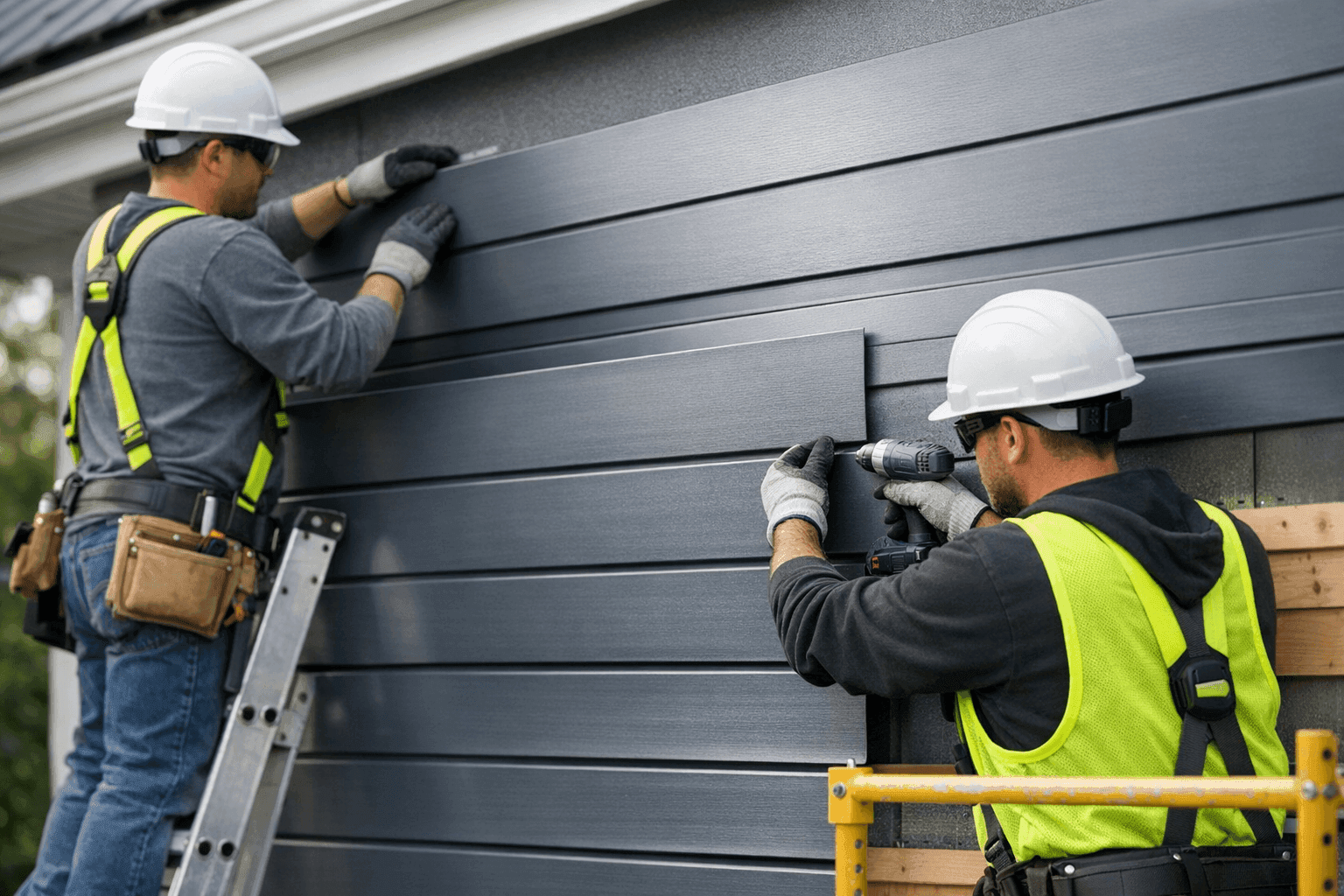
Installing metal siding isn’t a weekend DIY project. Here’s what the pros at Schaefer Exteriors do differently:
- Careful wall prep: Ensuring walls are flat, dry, and free of old nails or rot.
- Precise measuring and trimming: Metal panels require accurate cuts for a tight, weatherproof fit.
- Weatherproofing: Flashing, caulking, and proper overlaps keep water out for good.
- Ventilation: Making sure walls can breathe, which prevents hidden moisture problems.
We follow manufacturer guidelines and local building codes for every step, so your investment is protected.
For more details on what’s involved, check out our metal siding installation page.
Warranty: What You Should Know
Most metal siding products come with warranties ranging from 20 years to lifetime, depending on the manufacturer and finish. Always ask:
- Does the warranty cover fading, chalking, and chipping?
- What about installation errors?
- Are storm or impact damages included?
Our team walks through every warranty detail before work begins—so you know exactly what’s covered.
Maintenance and Prevention: Keeping Your Siding Looking Sharp
A little care goes a long way:
- Inspect yearly for scratches or loose panels.
- Wash gently to remove dust, pollen, or grime.
- Touch up paint on small nicks to prevent corrosion.
Regular maintenance extends the life of your siding and keeps curb appeal high.
Common Mistakes and How to Avoid Them
- Skipping insulation: Don’t cut corners; your comfort and efficiency depend on it.
- Improper fasteners: The wrong screws can lead to rust or loose panels.
- Ignoring ventilation: Trapped moisture is a hidden enemy. Make sure your installer knows the right techniques.
If you see siding bowing, hear rattling in the wind, or spot rust, call for a professional inspection.
FAQ: Quick Answers for Homeowners
Q: Can I install metal siding over old siding?
A: Sometimes, but it depends on the condition of the existing material. A thorough inspection is key.
Q: How long does metal siding last?
A: With proper care, expect 40–60 years or more.
Q: Will metal siding affect my home’s value?
A: In many cases, yes—especially for buyers looking for low-maintenance, durable exteriors.
When Is Metal Siding a Smart Choice?
Metal siding shines in areas with:
- Severe weather (hail, wind, fire risk)
- High humidity or salt air
- Homeowners who want a modern look, low maintenance, and energy efficiency
For others, traditional materials may still win out for aesthetic or historic reasons.
Ready to Explore Metal Siding for Your Home?
Whether you’re considering a bold new look or seeking the most resilient protection, metal siding could be the upgrade your home deserves. For a siding-material-consultation or a no-pressure chat about your options, Schaefer Exteriors is here to help.
Call Schaefer Exteriors now — or reach us anytime at 877-331-5875 .