Insulation and Siding: Boosting Your Home’s Energy Efficiency
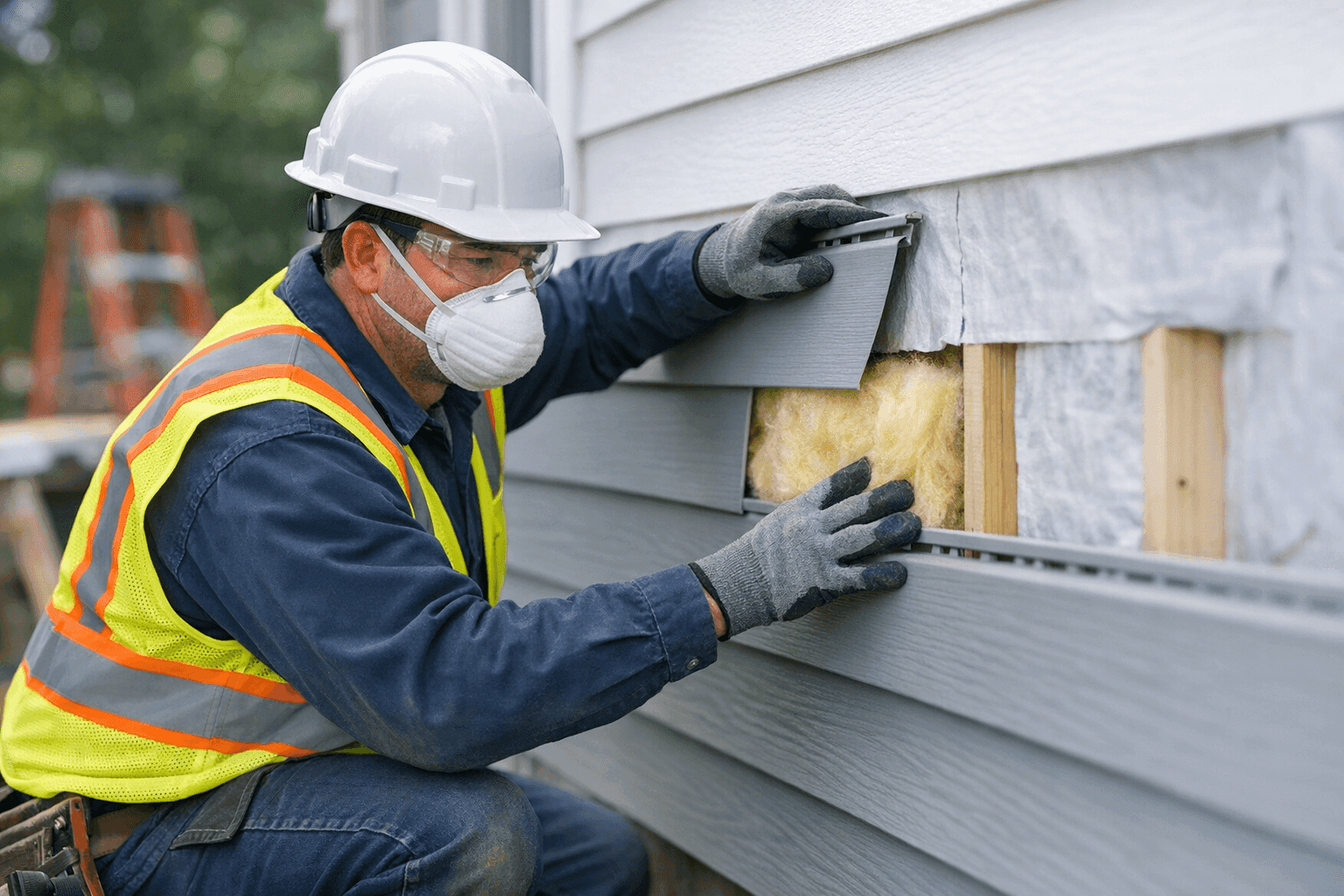
Is your home fighting the elements—or letting them inside? If you’ve ever felt a draft, noticed sky-high energy bills, or watched paint peel from moisture, you know something’s off. At Schaefer Exteriors, we’ve seen how the right combination of insulation and siding can turn your home into a fortress of comfort and efficiency.
Let’s break down how insulation and siding work together, what materials really make a difference, and how you can keep your home’s energy locked in—season after season.
Why Insulation Matters in Siding Systems
Think of insulation as your home’s cozy sweater and siding as the raincoat. One keeps warmth in; the other keeps wind and rain out. But together? They make all the difference when it comes to comfort and lower utility bills.
Without proper insulation, even the best siding is like a boat with a hole—energy leaks out, costs rise, and comfort sinks.
Types of Insulation Used with Siding
There’s no one-size-fits-all. What goes behind your siding depends on climate, budget, and siding material. Here are some common types:
- Rigid foam board (polyisocyanurate, EPS, XPS): Excellent for boosting R-value, resists moisture, works with most siding types.
- Fiberglass batts: Affordable and common in wall cavities, but less ideal for direct siding applications.
- Spray foam: Expands to fill gaps, great air seal, but often more expensive.
- Mineral wool: Fire-resistant and moisture-tolerant, suitable in specific climates.
- Insulated vinyl siding: Combines insulation and cladding in one, adds a layer of efficiency.
Each has its strengths. Rigid foam, for example, is a favorite behind fiber cement and wood siding. Insulated vinyl siding offers speed and simplicity for many homeowners.
Understanding R-Values: The Heart of Energy Efficiency
R-value measures thermal resistance. The higher the number, the better your wall is at keeping heat where you want it. Most homes in the Midwest and Northeast aim for R-13 to R-21 in wall systems, according to the U.S. Department of Energy.
- Rigid foam board: R-3.6 to R-8 per inch
- Fiberglass batts: R-3 to R-4.3 per inch
- Spray foam: R-6 to R-7 per inch (closed cell)
- Mineral wool: R-3.7 to R-4.3 per inch
Mixing and matching insulation and siding materials can help you hit the sweet spot for both efficiency and budget.
Siding Materials and Their Insulation Needs
Not all siding is created equal when it comes to insulation. Here’s how some of the most popular options stack up:
- Fiber cement: Durable but not highly insulative on its own; pairs well with foam board.
- Vinyl siding: Lightweight, available in insulated versions.
- Wood siding: Naturally insulative but benefits from additional barriers.
- Metal siding: Needs a strong insulating layer to prevent thermal bridging.
- Stucco: Can be combined with rigid foam for modern energy codes.
Our Siding Color Consultation helps you choose not only the look but also the best insulation pairings for your climate and home style.
Best Practices for Installation
A flawless look on the outside means nothing if there are gaps behind the walls. Here’s how the pros at Schaefer Exteriors ensure top-tier results:
- Continuous insulation: Wraps your home in a blanket, minimizing cold spots.
- Proper sealing: Caulking and flashing to block air leaks and moisture.
- Siding ventilation: Special vents and techniques to let trapped moisture escape.
- Moisture barriers: House wrap or felt paper to keep water out but let walls breathe.
- Quality fasteners: Compatible with both siding and insulation type.
We follow manufacturer guidelines and the International Residential Code (IRC) requirements for every project, ensuring safety and long-lasting performance.
Signs Your Home’s Insulation Needs an Upgrade
Sometimes, your house sends signals it's time for a change. Look for these warning signs:
- Drafts near outlets, windows, or doors
- Walls that feel cold to the touch in winter, or hot in summer
- High heating or cooling bills
- Uneven temperatures between rooms or floors
- Moisture, mold, or peeling paint indoors
If you notice these, call for a siding inspection before small problems become expensive repairs.
Comfort, Savings, and Protection: The Big Benefits
Upgrading insulation and siding isn’t just about numbers on a bill. It’s about feeling good at home, year-round:
- Consistent temperatures: No more freezing hallways or stifling bedrooms.
- Lower energy bills: Less wasted heat or AC means more money in your pocket.
- Less moisture and mold: Proper barriers keep water out and air flowing.
- Quieter indoors: Insulated walls block out street noise.
- Boosted resale value: Energy-efficient homes attract buyers.
DIY vs. Call a Pro: What’s Best for Your Home?
Some projects are best left to the pros. Siding and insulation upgrades require:
- Specialized tools
- Knowledge of building codes
- Experience with moisture management
DIY attempts can sometimes lead to hidden water damage, code violations, or voided warranties. When in doubt, get advice from a qualified siding contractor.
What to Expect During an Insulation and Siding Upgrade
Curious about the process? Here’s what usually happens:
- Inspection: We check siding, insulation, and underlying structure.
- Consultation: You choose styles, colors, and insulation options.
- Prep work: Old materials are removed and repairs made if needed.
- Installation: Insulation, vapor barriers, and siding are installed with care.
- Cleanup: We leave your property tidy—no stray nails or debris.
Most homes are transformed in just a few days, but bigger projects or storm repairs can take longer.
Costs & Long-Term Savings
Insulation and siding costs vary based on your home’s size and chosen materials. While there’s upfront investment, the long-term savings are real. According to ENERGY STAR, upgrading insulation can reduce heating and cooling costs by 15% or more.
Plus, today’s energy-smart upgrades can pay off in resale value and comfort for years to come.
Preventing Problems: Maintenance Tips
Keep your siding and insulation doing their job:
- Clean siding annually with a gentle hose—not a pressure washer
- Inspect caulking and seals every spring and fall
- Watch for signs of rot, pests, or loose panels
- Address gutter issues quickly to prevent water infiltration
- Schedule professional inspections every few years
A little maintenance keeps your investment strong and your home efficient.
Common Mistakes Homeowners Make
Don’t fall for these pitfalls:
- Choosing siding based on looks alone
- Skipping insulation upgrades during siding replacement
- Ignoring proper flashing or weather barriers
- Overlooking ventilation needs in attic or wall systems
A little planning now prevents big headaches later.
When It’s an Emergency
Storms, fallen branches, or accidents can damage siding in a flash. Exposed insulation or walls need urgent attention. If you notice water intrusion, missing panels, or visible insulation, contact our emergency siding services immediately to prevent further damage.
Frequently Asked Questions
How do I know what insulation my home needs?
An inspection by siding specialists can identify what’s already in place and what’s missing.
Can I add insulation without replacing my siding?
Sometimes, but the best results come from combining upgrades—especially when siding is already due for replacement.
Will new insulation change the look of my home?
No. Proper installation keeps the exterior beautiful while working magic behind the scenes.
Does insulated siding qualify for rebates?
Some local and federal programs offer incentives. Check with your utility provider and ENERGY STAR for current info.
Seasonal Considerations
The best time for upgrades is spring through early fall—before winter winds or summer heat arrive. But emergencies don’t wait for nice weather. We’re here year-round with timely solutions.
Ready for a More Comfortable, Efficient Home?
It’s time to stop letting energy slip through the cracks. Whether you need a full upgrade or a simple Siding Color Consultation, Schaefer Exteriors is ready to help you create a home that feels—and performs—its best.
Call Schaefer Exteriors now — or reach us anytime at 877-331-5875 .