How to Troubleshoot Siding Issues After a Freeze
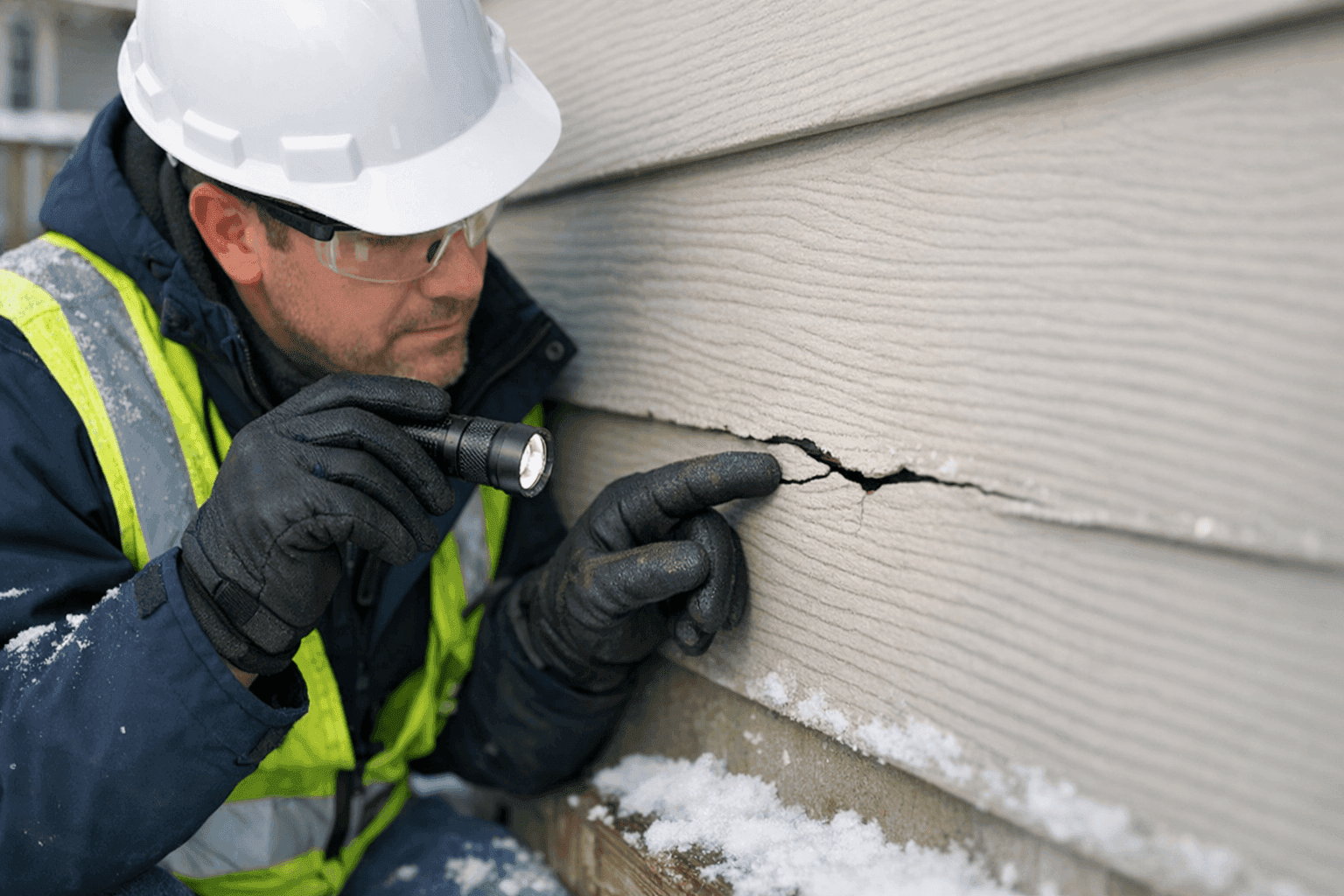
When a Freeze Strikes: Your Siding's Toughest Test
A hard freeze can turn your home’s siding into a battleground. Temperatures plunge, materials contract, and suddenly that cozy protection you trusted might be under attack. If you’ve ever stepped outside after a cold snap and noticed something… off… you’re not alone.
At Schaefer Exteriors, we’ve seen what winter can do. The good news? Most siding problems after a freeze can be spotted, understood, and fixed—sometimes with quick action, sometimes with professional help.
Common Freeze-Related Siding Problems ❄️
A cold snap can reveal weak spots like a flashlight in a dark attic. Here’s what to watch for:
- Cracks and Splits: Especially in fiber cement and wood siding, extreme cold can make the material brittle. Sudden temperature swings? That’s when cracks appear.
- Buckling or Warping: Siding panels may curve or bulge if moisture trapped behind them freezes and expands.
- Gaps at Seams or Joints: As siding contracts, seams can pull apart. This lets in drafts and moisture.
- Loose or Popped Nails: Freeze-thaw cycles can work nails loose, causing panels to shift or rattle.
- Paint Peeling or Blistering: If moisture gets trapped under the paint during a freeze, you’ll see bubbles or flakes when the thaw comes.
Each issue is a red flag—and a chance to act before bigger problems set in.
Quick Safety Checklist Before Inspecting
Safety first. Before you head outside to check your siding:
- Make sure ice on walkways or steps is cleared to prevent slips.
- Wear gloves; siding edges can be sharp, especially where cracks have formed.
- Use a sturdy ladder if you need to inspect higher areas. Always follow ladder safety guidelines from OSHA.
- Avoid prying or pulling at damaged panels. Siding often hides electrical wiring—don’t risk a shock.
How to Spot Siding Damage After a Freeze
Look closely. Sometimes, damage hides in plain sight.
- Walk the Perimeter: Start low, then look eye-level, then up where siding meets soffits and trim.
- Check Seams and Joints: Gaps here can be as thin as a dime—but they let in water and air.
- Feel for Soft Spots: Press gently. If siding gives way or feels spongy, water may have gotten in.
- Listen for Rattles: On a windy day, loose panels often make noise.
Don’t forget the hidden places—behind shrubs, around decks, under eaves. Freeze damage can show up anywhere.
When to Try a DIY Temporary Fix
If you spot a minor issue late at night or during a storm, here’s what you can do:
- Seal Small Gaps: Use exterior-grade caulk in dry weather to fill small seams.
- Tape Cracks: Heavy-duty weatherproof tape can keep out moisture until repairs are made.
- Nail Down Loose Edges: Use corrosion-resistant nails, but only if you’re comfortable and the siding isn’t badly damaged.
These are just stopgaps—think of them as bandages, not cures. If the damage is deeper or you see signs of water inside your home, call a pro.
Professional Repairs vs. DIY: How to Decide
Some fixes are a weekend project. Others demand the right tools, materials, and know-how:
DIY Is Okay For:
- Small, surface cracks in vinyl or fiber cement
- Tiny gaps at seams
- Replacing a single nail or screw
Call a Professional If:
- Cracks run the length of a panel or go deep into wood/fiber cement
- Panels are warped, buckled, or falling off
- Mold, mildew, or staining is present
- You notice drafts, moisture, or water stains inside your home
A professional siding inspection can save you time, money, and headaches by catching problems before they spiral.
What the Pros Do on Arrival
When Schaefer Exteriors arrives for a post-freeze siding inspection, here’s our playbook:
- Visual Inspection: We check every inch, including trim, flashing, and soffits.
- Moisture Detection: Using moisture meters, we spot water where you can’t see it.
- Panel Testing: Gently flexing siding to find hidden brittleness or movement.
- Ventilation Check: Ensuring attic and wall cavities are breathing—trapped air can worsen freeze damage.
- Comprehensive Reporting: You get a straightforward rundown of what’s urgent, what can wait, and how to get your siding back in shape.
Emergency Siding Problems: When to Act Fast 🚨
Some siding issues can wait a week. Others need action now:
- Water actively leaking inside? Act immediately.
- Large panels loose and flapping? That’s a safety hazard.
- Insulation exposed to the elements? Don’t wait.
For these, our siding-repair team is equipped for fast, safe, and lasting repairs.
The Cost and Time Factor
Worried about disruption or surprise expenses? Here’s a quick rundown:
- Minor Repairs: Small cracks or gaps can often be fixed in an hour or two.
- Moderate Damage: Buckling, multiple cracks, or trim problems may take a day.
- Major Repairs: Replacing whole panels or dealing with water damage can take multiple days, especially in winter.
Costs depend on material and scope. Vinyl and fiber cement are usually less expensive to repair than wood or custom siding. Always request a detailed quote and timeline.
Prevention: How to Shield Your Siding Next Winter
An ounce of prevention beats a pound of repair bills. Here’s how:
- Annual Siding Inspection: Catch issues before winter hits. Schedule one every fall.
- Seal and Paint: Fresh caulking and weatherproof paint protect against moisture.
- Clear Gutters and Downspouts: Prevent water from backing up and freezing behind siding.
- Trim Vegetation: Keep bushes and trees away to allow siding to dry out after snow or rain.
The National Association of Home Builders recommends annual siding and trim checks for all climates.
Siding Material Matters
Some sidings stand up to winter better:
- Vinyl Siding: Flexible but can become brittle below freezing.
- Fiber Cement: Tough but prone to surface cracking if installed incorrectly.
- Wood Siding: Beautiful but needs regular sealing against moisture.
- Metal Siding: Resists moisture but can dent from ice.
Your choice of material, maintenance routine, and local climate all play a role in how your siding weathers the cold.
Don't Overlook the Trim, Soffit, and Fascia
Siding isn’t the whole story. Freeze-thaw cycles hit trim, soffits, and fascia boards just as hard:
- Inspect for Rot: Wood elements can absorb water and freeze, leading to rot.
- Check Vents: Blocked ventilation can cause attic moisture and freeze damage.
- Replace Missing Nails or Screws: Small fix, big impact.
If you haven’t checked these areas lately, now’s the time.
Seasonal Timing: When Should Repairs Happen?
The best time to fix freeze damage? As soon as the weather allows:
- Mild, Dry Days: Caulking and painting need above-freezing temps.
- Avoid Wet Conditions: Moisture behind repairs can trap problems inside.
- Plan for Spring: If winter’s storms made a mess, aim to repair before summer heat expands the gaps.
Common Mistakes to Avoid
It’s easy to make things worse in the rush to fix siding:
- Don’t use interior caulk outside—it won’t last.
- Don’t paint or seal over wet surfaces.
- Don’t ignore small cracks—water always finds a way in.
When in doubt, ask for a professional opinion.
Frequently Asked Questions
How do I know if my siding is damaged after a freeze?
Look for cracks, gaps, or panels that seem loose. If you’re unsure, schedule a Siding Inspection to get a clear answer.
Can I wait until spring to repair freeze damage?
Small surface cracks might wait, but anything letting in water or air should be handled soon to prevent further problems.
Do I need to replace all my siding if just one area is damaged?
Not always—targeted repairs are often possible, but a professional assessment is the best first step.
Protect Your Home—And Your Peace of Mind
A freeze doesn’t have to spell disaster for your siding. Spotting problems early, knowing which fixes are temporary, and calling for a professional siding-inspection when needed are the best ways to keep your home safe and comfortable all winter long.
Call Schaefer Exteriors now — or reach us anytime at 877-331-5875 .