How to Safely Remove Old Siding
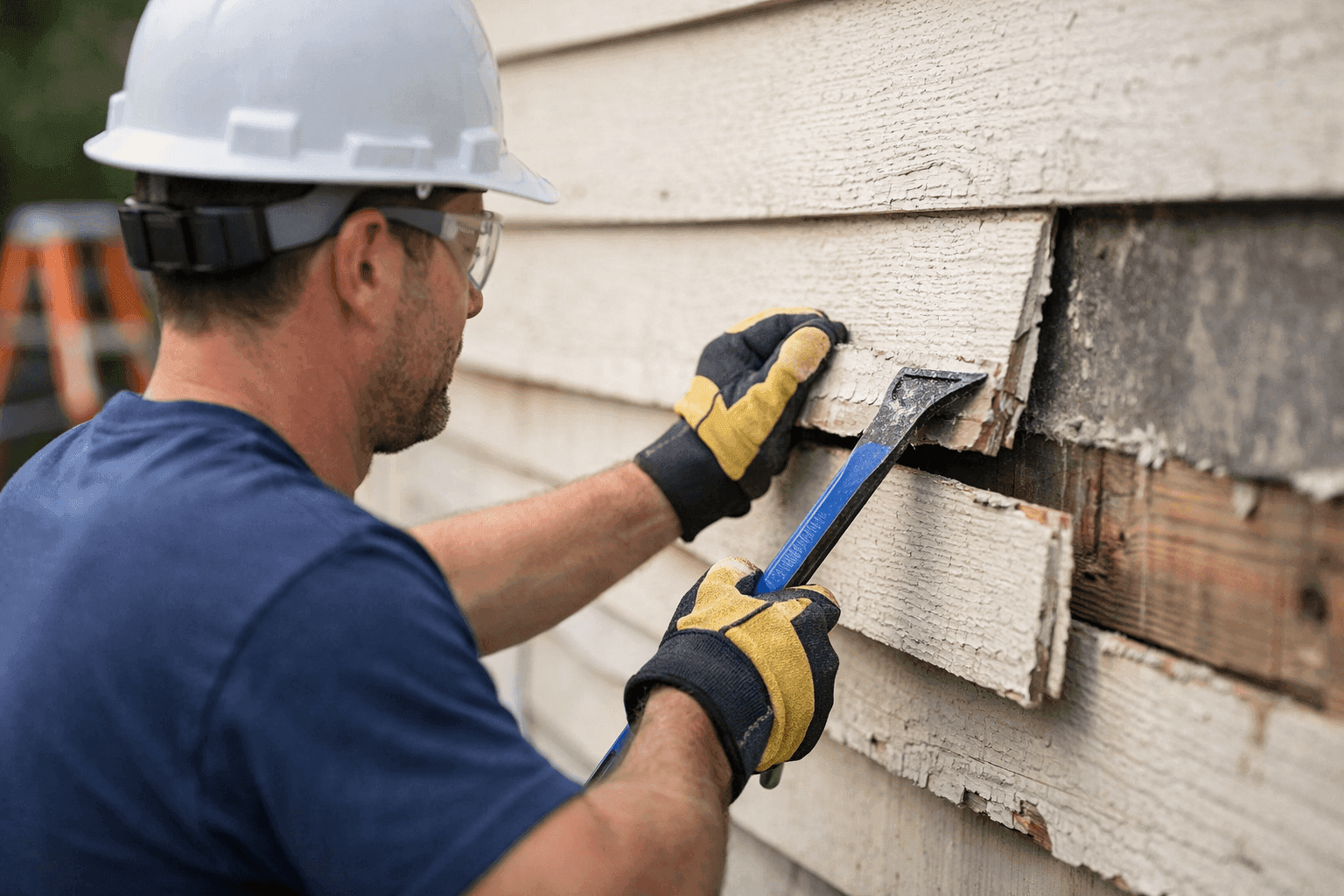
Are you facing cracked, faded, or warped siding? Maybe you’ve spotted mold, rot, or gaps letting in drafts. Old siding doesn’t just make your home look tired—it can put your comfort, safety, and property value at risk.
At Schaefer Exteriors, we know taking off old siding can be tempting to handle yourself. But there’s more beneath the surface than most folks realize. If you want to avoid hidden dangers and extra repair costs, knowing how to do it safely is key.
The Real Risks of Old Siding Removal
Removing siding is more than just pulling off boards or panels. Old homes may hide hazards like asbestos or lead paint—materials that can harm your health if disturbed. Sometimes, you’ll find rotten sheathing or even pest infestations. Every layer could bring a new surprise.
Professional siding companies follow strict safety standards, including OSHA and EPA guidelines, to protect both you and your home. Ignoring these can mean costly mistakes or real danger.
Quick Safety Checklist 🦺
Before anything else, safety comes first. Here’s what you need:
- Personal Protective Equipment (PPE):
- Heavy-duty gloves
- Safety goggles
- Long sleeves and pants
- Sturdy boots
- Respirator or N95 mask (especially for dust or possible lead/asbestos)
- First Aid Kit: Accidents happen, even with the best prep.
- Ladder Safety: Use a stable, rated ladder, and never work alone.
- Work Area Prep: Clear the ground, cover plants and AC units, and keep kids and pets away.
For more, check out OSHA’s construction safety standards and EPA’s lead paint guidelines.
Tool Checklist for Siding Removal
Don’t start without the right tools. Here’s a practical list:
- Pry bar (for lifting panels gently)
- Hammer (for nails or stubborn boards)
- Utility knife (to cut caulk or paint seals)
- Drill or screwdriver (to remove fasteners)
- Zip tool (for vinyl siding releases)
- Tarp or bin (to catch debris)
- Flashlight (for hidden corners)
- Garbage bags and heavy-duty contractor bags
Each tool has its job. A missing piece can turn a quick project into a long headache.
Prep Work: Protecting Your Home and Yard
Preparation is half the battle. Before you touch a single board:
- Turn off exterior power sources (for nearby lights or outlets).
- Move vehicles, furniture, and fragile decorations far from the work zone.
- Lay tarps to catch falling debris—makes cleanup much easier.
- Snap photos of your home’s exterior for reference.
Think of it like prepping for a storm. The better the prep, the smoother the process.
Step-By-Step: How Pros Remove Old Siding
Here’s how Schaefer Exteriors approaches every siding removal:
- Siding Inspection: First, a thorough look for soft spots, water stains, or swelling. This helps plan for surprises.
- Test for Hazards: Any home built before 1978 gets checked for lead paint. Suspicious materials are tested for asbestos.
- Remove Trim and Accessories: Take off shutters, lights, and trim before hitting the main siding.
- Score Caulk and Paint: Cut along seams with a sharp knife to avoid tearing the underlying materials.
- Loosen the Panels: Start at the top, working downward. Pry bars are used gently to avoid damaging sheathing.
- Clear Nails and Fasteners: Remove all hardware, not just the siding itself.
- Inspect the Sheathing: Look for rot, mold, or pest damage. If found, pause and reassess.
- Dispose of Materials: Seal hazardous waste in approved bags. Other debris goes in bins, with recycling where possible.
Each step is about minimizing damage and keeping your home’s structure sound.
When DIY Turns Risky: Red Flags to Watch For
Some projects are best left to professionals. Call for help if you:
- See suspicious, fibrous, or crumbly materials (possible asbestos)
- Notice chalky, peeling paint (possible lead)
- Find extensive mold, rot, or unexplained soft spots
- Face high, steep, or hard-to-reach areas
- Lack the right PPE or tools
Unsure? A Siding Inspection can reveal what you’re really up against.
The Pros’ Edge: Minimizing Damage
Why call a professional? Pros know how to:
- Avoid tearing housewrap, insulation, or vapor barriers.
- Spot hidden leaks or pest entry points.
- Remove panels without splintering or cracking adjacent materials.
- Reuse or recycle trim pieces when possible.
Think of it like a surgeon versus a backyard whittler. Precision makes all the difference.
Waste Disposal: Playing by the Rules
Siding waste isn’t just trash. Older materials may be regulated. Here’s what matters:
- Asbestos and Lead: Must be handled and disposed of at approved facilities. Never toss in regular trash.
- Painted Materials: Some paints are hazardous—check local rules.
- Vinyl Siding: Can sometimes be recycled.
- General Debris: Bag it up, keep work areas clear, and schedule extra pickups if needed.
Check with your city’s sanitation department or EPA guidelines for details.
Structural Surprises: What’s Underneath
It’s not uncommon to find water damage, missing insulation, or even structural rot. Sometimes, removing siding uncovers issues that need urgent attention.
If you see dark stains, warped sheathing, or insect trails, stop. Fixing these first is critical before installing new siding.
Cost and Time: What to Expect
DIY siding removal can take a weekend—or much longer if problems arise. Pros work faster, often finishing in a day or two for an average home.
Costs depend on:
- Siding type (wood, vinyl, fiber cement, stucco)
- Hazardous materials handling
- Repairs needed underneath
Factor in disposal fees, tool rental, and your own time.
Emergency Situations: When Speed Matters ⏱️
Storms, accidents, or sudden leaks? Sometimes old siding must come off immediately. In these cases:
- Secure loose panels to prevent injury.
- Call for emergency siding services if water or pests are entering your home.
Don’t risk your safety—fast action is vital, but so is proper protection.
Common Mistakes to Avoid
- Rushing without PPE—injuries are common.
- Pulling panels too hard, damaging sheathing.
- Ignoring the weather—rain or high winds spell trouble.
- Forgetting to disconnect exterior utilities.
- Skipping the siding inspection.
A little patience up front saves big headaches later.
Seasonal Considerations: Best Time to Remove Siding
Mild, dry weather is ideal. Extreme cold can make siding brittle; high heat can make it warp. Spring and early fall usually offer the safest, most predictable conditions.
Prevention: Keep Future Removal Easy
Want to make the next replacement smoother? Invest in regular siding maintenance and annual Siding Inspection. Address minor issues before they become big disruptions.
FAQ: Your Siding Removal Questions
Do I always need to remove old siding before installing new?
Not always—sometimes new siding can go over sound existing materials. But if there’s damage underneath, removal is best.
How do I know if there’s asbestos or lead?
Test kits exist, but pros use certified labs for accurate results.
Is DIY removal ever recommended?
For small, non-hazardous areas with modern siding, maybe. For anything older, bigger, or questionable—call in a pro.
When to Call Schaefer Exteriors
If you’re facing a siding project that feels bigger than expected, or you spot any warning signs, get help before you start tearing things apart. Our team follows every code and safety standard—removing old siding smoothly, safely, and with respect for your home.
If you’re looking for a siding contractor in Pflugerville, Schaefer Exteriors is ready to help, no matter the challenge.
Call Schaefer Exteriors now — or reach us anytime at 877-331-5875 .