How to Repair Siding Trim: A Step-by-Step Guide
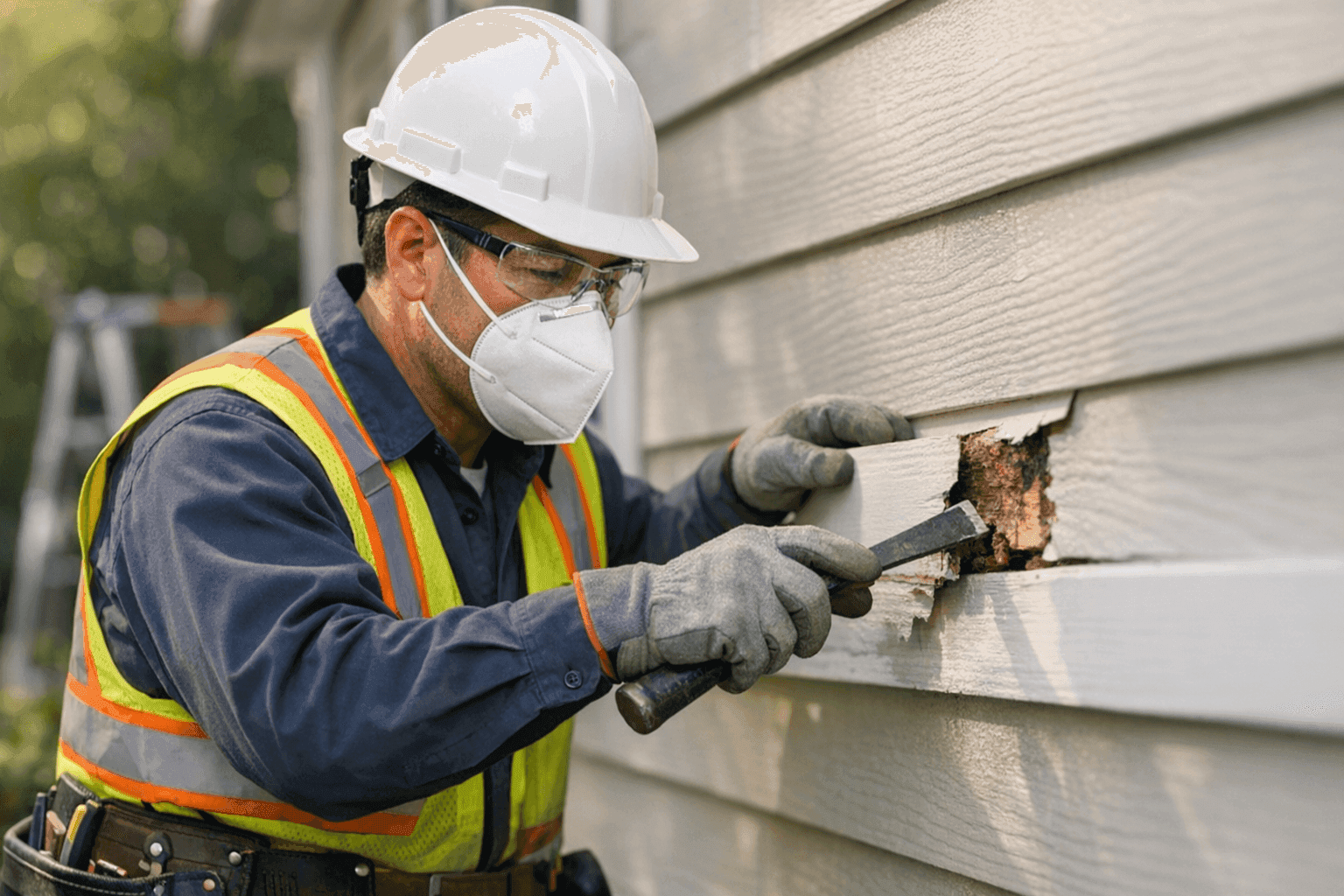
Does your home’s siding trim look tired, cracked, or even a little rotten? You’re not alone. Trim takes a beating from sun, storms, and time. Getting it fixed quickly can save you from much bigger headaches—and bigger repair bills—down the road.
At Schaefer Exteriors, we know the ins and outs of siding trim repair. Whether you’re peering up at peeling corners or noticing soft spots, we’ll walk you through the steps to restore your trim, boost curb appeal, and keep your home protected.
Diagnosing Trim Damage: Spot the Signs Early 🧐
Siding trim is like the frame around a picture—it finishes the look and keeps everything tight. But how do you know when it’s time to repair or replace it?
Common signs of damage include:
- Flaking or peeling paint
- Soft spots (wood rot)
- Warping, splitting, or cracks
- Gaps where water or pests could sneak in
- Staining or dark streaks along the trim
Walk around your home, especially after storms or harsh winters. Bring a flathead screwdriver or similar tool. Gently press on suspicious spots. If the trim feels soft or crumbles, it’s likely rotted. According to the International Association of Certified Home Inspectors (InterNACHI), early detection of trim issues helps prevent water intrusion and costly structural problems.
Pro tip: Don’t ignore what you can’t see. Use a flashlight to peek behind gutters, around corners, and near soffits.
Quick Safety Checklist: Protect Yourself First
Before you break out the hammer, take a pause. Trim repair isn’t extreme sports, but it does come with risks—sharp tools, ladders, and sometimes hazardous materials.
Safety must-haves:
- Heavy-duty gloves
- Safety glasses
- Dust mask (essential when sanding or cutting)
- Sturdy ladder (set on stable, level ground)
- Closed-toe shoes with good traction
Bonus tip: If you’re working near power lines or at heights over 10 feet, consider professional help. Safety always comes first.
When to Call a Professional vs. DIY
Some trim repairs are a breeze. Others? Not so much.
DIY is doable if:
- The damaged area is small and easy to access
- You’re comfortable using basic hand tools
- The trim isn’t structural or load-bearing
Call in the pros for:
- Large or multiple damaged sections
- Suspicion of mold, rot extending into the walls, or insect infestation
- Second-story or hard-to-reach repairs
- When original trim is ornate, historic, or requires matching a unique profile
Our Siding Trim Repair team can assess complicated jobs and ensure everything meets current building codes.
Tools and Materials: Gather What You’ll Need
Think of this like packing for a hike. The right gear makes all the difference.
Essential tools:
- Pry bar or putty knife (for removing old trim)
- Hammer and finishing nails or trim screws
- Miter saw or handsaw (for crisp corners)
- Measuring tape and carpenter’s square
- Caulk gun and exterior-grade caulk
- Paintbrush and weather-resistant paint or stain
Materials:
- Replacement trim boards (fiber cement, wood, PVC, or composite)
- Primer and paint (for wood)
- Construction adhesive (optional, for extra hold)
- Flashing tape (for added moisture protection)
Check with your local building codes or the National Association of Home Builders (NAHB) for recommended materials in your climate.
Removing Old Trim: Step-By-Step
Removing damaged trim is like unwrapping a stubborn present—patience pays off.
- Score the paint or caulk along the edge with a utility knife. This helps prevent tearing the siding.
- Gently pry off the trim using a putty knife, then a pry bar. Work slowly to avoid damaging the siding underneath.
- Remove old nails with a hammer or nail puller. If nails are buried, use locking pliers to twist them out.
- Inspect the area beneath for hidden problems: rot, water stains, or pest damage. If you uncover more extensive issues, stop and reassess.
Tip: Keep removed trim pieces as templates for cutting new ones.
Selecting the Right Replacement Materials
Not all trim is created equal. Match the material to your home, climate, and budget.
Popular siding trim options:
- Wood: Classic look, can be painted or stained. Requires sealing and ongoing maintenance.
- Fiber cement: Durable, resists rot and insects. Holds paint well and is fire-resistant.
- PVC/composite: Low-maintenance, weatherproof, doesn’t require painting (unless you want to change the color).
If you’re unsure, our Trim and Molding Installation specialists can help you weigh the pros and cons during a Siding Color Consultation near you.
Remember: Always choose exterior-grade materials rated for your local weather.
Installation Process: Getting the Fit Just Right 🔨
Here’s where the magic happens—a little patience, a few careful measurements, and attention to detail.
Step 1: Measure Twice, Cut Once
- Measure the length and width of the old trim.
- Mark the new trim with a pencil, using the old piece as a guide if available.
- Cut square ends for straight runs, or use a miter saw for corners (usually 45 degrees for a tight fit).
Step 2: Dry Fit
- Hold the new trim in place before fastening. Make sure it sits flush against the siding.
- Adjust as needed. Small gaps can be filled with caulk, but large misalignments mean a recut.
Step 3: Attach the Trim
- Use galvanized finishing nails or exterior trim screws.
- Space fasteners every 16 to 24 inches.
- For wood, pre-drill holes to prevent splitting.
- If using adhesive, apply a bead along the back before pressing the trim in place.
Step 4: Seal the Edges
- Run a smooth bead of exterior caulk along seams and joints.
- Tool the caulk with a damp finger or caulk tool for a neat finish.
- Caulk prevents water and bugs from sneaking behind your siding.
Finishing Touches: Paint, Caulk, and Inspect
This is the polish—think of it as the final coat on a new car.
- Prime bare wood with exterior primer before painting.
- Paint or stain to match (or refresh!) the rest of your trim.
- Inspect your work. Look for gaps, loose nails, or missed spots.
- Clean up any debris and check your ladder area for stray nails or sharp bits.
Tip: Always allow caulk and paint to dry thoroughly, following manufacturer instructions.
Siding Trim Repair Costs & Timeline
Every home is unique, but here’s a ballpark:
- Small repairs: A few hours and modest materials cost.
- Larger or multi-story jobs: Plan on a weekend—or a day with a professional crew.
Factors that affect cost:
- Trim material (wood is usually less expensive than fiber cement or PVC)
- Accessibility (second story, tight spaces)
- Extent of hidden damage
For a detailed estimate tailored to your home, contact Schaefer Exteriors. We’ll walk you through your options with no pressure.
When It’s an Emergency: Don’t Wait
If you spot trim that’s falling off, water leaking into the house, or signs of pest infestation, treat it like a leaky pipe—speed matters. Quick action helps prevent expensive repairs to framing or insulation. For urgent issues, our emergency siding services can help secure your home fast.
Common Mistakes to Avoid
Trim repair sounds simple, but shortcuts can haunt you later.
- Skipping the primer or paint—leads to early rot or swelling.
- Using indoor caulk—won’t last outside.
- Nailing through old, rotten wood—compromises stability.
- Not sealing edges—invites water and bugs.
When in doubt, pause and double-check. Or ask us for advice.
Prevention & Maintenance: Keep Your Trim Looking Sharp
Like oil changes for your car, regular care extends trim life.
- Inspect trim every season—especially after storms.
- Touch up paint or caulk as soon as you see cracks.
- Gently clean dirt and debris with a soft brush and soapy water.
Looking for seasonal advice? The U.S. Department of Energy recommends annual siding inspections for early problem detection.
Timeline & Disruption: What to Expect
Most trim repairs are minimally disruptive. Expect:
- Some noise from sawing and hammering
- Temporary removal of adjacent fixtures or downspouts
- Clean-up of dust and old materials
Professionals work quickly, minimizing the time your home is exposed.
FAQ: Siding Trim Repair Questions
Can I replace just one piece of trim?
Yes—if the damage is isolated. If you see widespread rot, consider a full inspection.
Is it safe to paint over old trim?
Only if it’s sound. Remove all loose paint and repair soft spots first.
How often should trim be replaced?
Well-maintained trim can last decades. Inspect annually and repair as needed.
Which trim material lasts longest?
Fiber cement and PVC/composite options are tough and low-maintenance, but quality wood, when cared for, can also go the distance.
Seasonal Considerations: Timing Your Repair
Spring and fall are ideal for trim work—the weather’s mild, and materials cure best. Avoid extreme heat or humidity, which can affect caulk and paint drying times.
What Pros Do On Arrival
Schaefer Exteriors pros start with a thorough inspection, checking for hidden damage and confirming material matches. We use tested techniques, professional-grade fasteners, and always follow safety and building code guidelines.
If you’re near Minnetonka and searching for a reliable siding company, our team has the experience and local knowledge to make your project smooth from start to finish. Visit our siding company page to learn more.
Final Thoughts: Protect Your Investment
Proper siding trim repair keeps your home looking sharp and shields it from the elements. Whether you tackle this project yourself or call in our team at Schaefer Exteriors, investing in quality materials and careful work always pays off.
Call Schaefer Exteriors now — or reach us anytime at 877-331-5875 .