How to Repair or Replace Soffit and Fascia
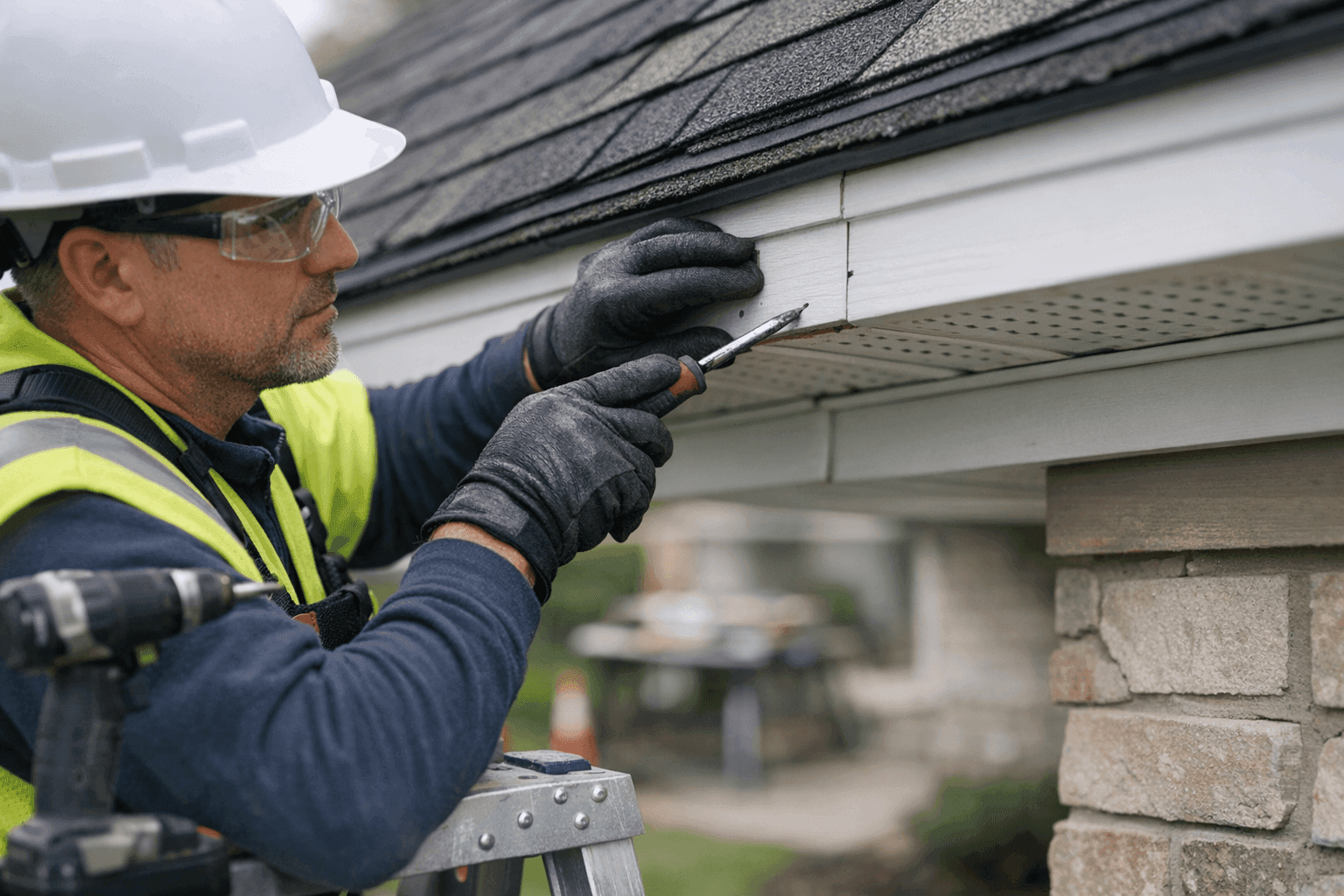
Your home’s soffit and fascia are more than just trim—they’re the unsung guardians of your roofline, quietly protecting your siding and attic from moisture, pests, and the elements. When these parts start to fail, the damage can ripple out fast, affecting your comfort, safety, and even curb appeal.
At Schaefer Exteriors, we help homeowners spot trouble early and know what to do next, whether it’s a quick repair or a full replacement. Let’s dig in.
Signs Your Soffit and Fascia Need Attention 🔍
Sometimes the warning signs are subtle. Other times, they’re as obvious as a raccoon scurrying under your eaves. Here’s what to watch for:
- Rot and Soft Spots: Press gently—if the wood gives way, moisture has likely gotten in.
- Peeling Paint or Stains: Paint bubbling, peeling, or dark streaks often mean water is seeping behind the boards.
- Pest Entry: Small holes or gnawed edges are invitations for squirrels, birds, and insects.
- Sagging or Warping: If the trim isn’t holding its shape, structural issues may be brewing.
- Ventilation Issues: Blocked or missing soffit vents can lead to attic mold and ice dams.
- Gutter Problems: Detached or overflowing gutters are sometimes caused by failing fascia.
If any of these look familiar, it’s time to take them seriously.
Quick Safety Checklist—Before You Start
Taking on soffit or fascia work means working at heights and handling sharp tools. Safety is job one:
- Use a sturdy, level ladder—never balance on furniture or makeshift platforms.
- Wear gloves, eye protection, and secure footwear.
- Watch for power lines. Stay well clear.
- If you’re not comfortable on a ladder, call a professional. No repair is worth risking a fall.
For more on ladder safety, check out OSHA’s guidelines.
DIY or Call a Pro? Knowing Your Limits
Some homeowners are handy and eager to tackle repairs. Others prefer the peace of mind that comes with hiring a siding contractor. Here are a few factors to weigh:
- DIY May Work For: Small patches, minor paint touch-ups, or cleaning.
- Call a Pro For: Widespread rot, animal damage, storm impacts, or new installations.
- Consider: The height of your eaves, your comfort on ladders, and whether electrical or structural issues are present.
If you need both repair and an upgrade (like adding attic ventilation), professional help is usually best.
What Happens When the Pros Arrive
A siding specialist doesn’t just grab a hammer and start swinging. Here’s a typical professional repair process:
- Inspection: Careful look at soffit, fascia, and nearby roofing/siding to spot all issues.
- Diagnosis: Identifying root causes—like gutter leaks or poor attic airflow.
- Material Match: Sourcing trim that matches your home’s style and siding color consultation near you.
- Safe Removal: Taking out only what’s damaged, avoiding harm to healthy wood or vinyl.
- Repair or Replace: Installing new boards, flashing, or vents as needed, always to code.
- Finishing Touches: Caulking, sealing, painting, and reattaching gutters or downspouts.
What Materials and Tools Are Used?
You’ll need the right gear for a successful repair. Pros typically use:
- Materials: Wood, aluminum, vinyl, or fiber cement trim; paint or stain; fasteners; caulk or sealant.
- Tools: Circular saw, pry bar, hammer, screw gun, utility knife, measuring tape, level, and safety gear.
Quality matters. Using subpar trim or fasteners is like patching jeans with paper—quick, but it won’t last.
Common Soffit & Fascia Repair Mistakes
Even well-intentioned homeowners can slip up. Here’s what to avoid:
- Skipping the Inspection: Only fixing visible damage misses hidden rot or mold.
- Wrong Materials: Mismatched wood or siding can warp, fade, or rot quickly.
- Poor Sealing: Gaps or cracks let in water, undoing all your hard work.
- Ignoring Ventilation: Blocking soffit vents can cause attic heat, mold, and ice dams.
If your repairs feel like a game of whack-a-mole, it’s time for a deeper inspection.
When It’s Time to Replace, Not Repair
Sometimes “just a patch” isn’t enough. Here’s when replacement is usually best:
- Extensive Rot: If more than a third of the trim is compromised.
- Repeated Damage: Ongoing leaks, pests, or paint failure.
- Storm Damage: After hail, high winds, or falling branches.
- Upgrades: New siding, insulation, or ventilation needs.
Replacing soffit and fascia is an investment in your home’s long-term health.
Timeline and What to Expect
Most minor repairs take a day or less. Full replacements can stretch to several days, especially if painting or complex trim work is involved.
- Preparation: Clearing landscaping, moving patio furniture, and securing pets.
- Noise and Dust: Sawing and hammering will happen, but cleanup is part of the job.
- Weather Delays: Rain or high winds may push back the schedule for safety.
A reputable siding contractor will keep you informed every step of the way.
The Cost Factors—What’s Involved?
Repair and replacement costs depend on:
- Material: Wood is classic, but vinyl and metal last longer with less upkeep.
- Extent of Damage: More damage means more labor and material.
- Accessibility: The higher your eaves, the trickier (and pricier) the job.
Getting a detailed estimate helps avoid surprises.
Preventing Future Damage
A little care goes a long way. Protect your investment with:
- Regular Inspections: Twice a year, especially after storms.
- Gutter Cleaning: Keep gutters clear so water doesn’t back up.
- Paint and Seal: Maintain finish to keep moisture out.
- Trim Trees: Branches can gouge trim or drop debris.
A siding maintenance plan with Schaefer Exteriors can help keep surprises to a minimum.
When Is It an Emergency?
Don’t wait if you notice:
- Openings big enough for animals
- Water actively dripping inside
- Large sections pulling away after a storm
Quick action can prevent small issues from becoming costly repairs.
Seasonal Considerations
- Spring & Fall: Best seasons for repair—mild weather and easier scheduling.
- Winter: Ice dams and snow can worsen damage, but emergency services are available.
- Summer: Paint dries quickly, but heat can make roof work more hazardous.
Plan ahead for smoother projects.
Frequently Asked Questions
Can I match new trim to my existing siding?
Yes—today’s materials come in a range of colors and textures. Siding color consultation near you can help ensure a seamless look.
How long do repairs last?
With proper materials and installation, repairs can last as long as your siding—often decades.
Will my home insurance cover it?
Storm or animal damage may be covered. Check your policy and document everything.
Prevention & Maintenance
Regular care is the best defense. Schedule annual siding inspection, clean gutters, and look for early signs of trouble. If you’re in the Soffit and Fascia Repair market, our team can keep your home’s exterior in top shape.
Final Thoughts
Soffit and fascia may not be glamorous, but they’re vital. Whether you’re patching a small spot or considering a full upgrade, doing the job right protects your home for years to come. And if you ever feel unsure, help is just a call away.
Call Schaefer Exteriors now — or reach us anytime at 877-331-5875 .