How to Remove Stains from Your Siding
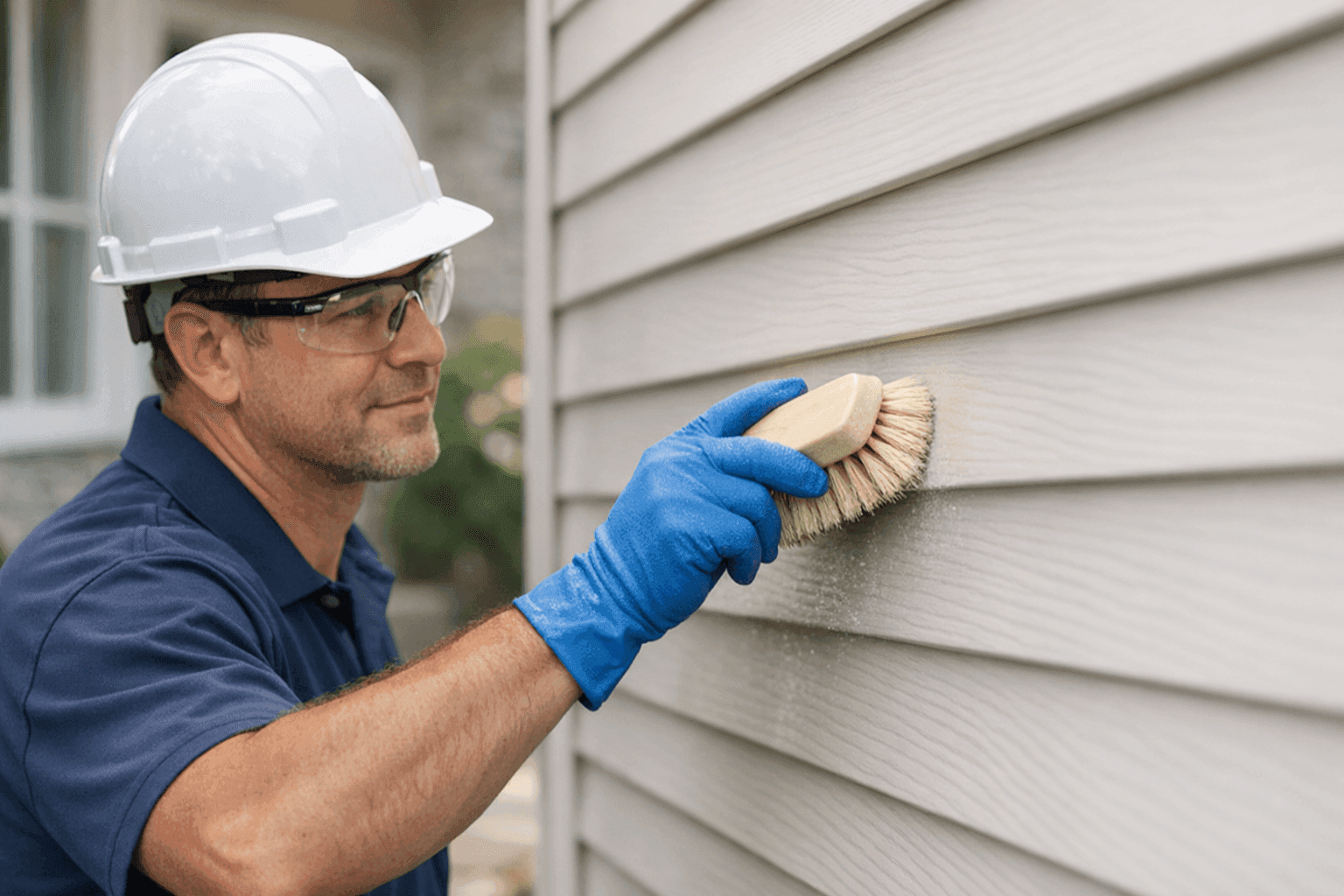
Is your siding starting to look less like a welcoming entrance and more like a forgotten fence post? Stains—rust, mildew, algae, and city grime—sneak up on even the proudest homeowners. It’s more than just curb appeal at stake. Stained siding can signal deeper trouble if ignored.
At Schaefer Exteriors, we know that clean siding isn't just about looking good. It’s about protecting your home for the long run. Let’s break down what causes those stubborn marks and how you can safely wash them away.
What Causes Siding Stains? The Usual Suspects
Some stains stick around no matter how often you rinse. Here are the most common offenders:
- Rust: Often from nails, old gutters, or outdoor furniture.
- Algae & Mildew: Thrive in humid, shady spots. Green, black, or even red streaks can appear.
- Pollution & Dirt: Urban dust, pollen, and car exhaust settle in layers.
- Water Stains: From leaky gutters or splashback from the ground.
Each type needs a slightly different cleaning approach, especially depending on your siding material.
Safety First: Quick Checklist Before You Start 🧤
Before scrubbing, take a minute for safety:
- Wear gloves and, if using cleaners, eye protection.
- Ladder secure? Always have a spotter for heights.
- Check product labels. Use siding-safe, non-abrasive cleaners.
- Turn off electricity to outdoor outlets if cleaning nearby.
- Test cleaning solutions on a hidden spot first.
The best clean is one that doesn’t create new problems.
Stain Removal by Siding Material
Every siding material has its own personality. Here’s how to clean each safely.
Vinyl Siding
Vinyl is tough but not invincible. Use:
- Soft brush or microfiber cloth.
- Mix: 1/3 cup laundry detergent + 2/3 cup household cleaner + 1 gallon water.
- For mildew: Add a cup of white vinegar to the mix.
- Rinse with a gentle hose—never pressure-wash up close. High pressure can drive water behind the panels.
Wood Siding
Wood breaths and scars easily. Clean with:
- Soft sponge or brush.
- Mild wood-safe soap and warm water.
- For mildew: Mix 1 part bleach to 3 parts water, but rinse thoroughly and avoid prolonged contact.
Never soak wood. Excess moisture can warp boards or invite rot.
Stucco Siding
Stucco’s pores can trap stains.
- Use a soft-bristled brush and gentle, non-abrasive cleaner.
- For stubborn stains, try a diluted oxygen bleach solution (never regular bleach—it harms stucco).
- Rinse gently, avoiding high water pressure.
Metal Siding
Metal stands up to a lot, but can rust.
- Use warm, soapy water and a soft cloth.
- For rust stains, try a paste of baking soda and water. Gently rub and rinse.
- Avoid anything acidic or abrasive, which can damage protective coatings.
Product Tips: What Works, What to Avoid
Look for products labeled as “exterior siding cleaner” or “safe for siding.” Use bleach sparingly and only on non-metal and non-stucco surfaces. Avoid:
- Wire brushes (scratch risk)
- Abrasive pads (damage finish)
- Undiluted bleach on painted surfaces
Reference: The U.S. Environmental Protection Agency recommends using environmentally friendly cleaners to protect your landscaping and groundwater.
When to Call a Professional
Some stains are stubborn. Some hint at bigger problems—like leaks or mold inside the walls. Call a pro if:
- Stains return quickly after cleaning.
- You spot soft, spongy, or warped areas.
- There’s a strong musty smell.
- The job feels overwhelming, unsafe, or out of reach.
Professionals like Schaefer Exteriors have access to specialized cleaners, low-pressure washing equipment, and decades of experience with every siding type.
The Professional Approach: What We Do Different
When we arrive, we:
- Inspect your siding for hidden damage.
- Test stains to choose the safest, most effective solution.
- Use pro-grade cleaners and equipment.
- Protect landscaping and nearby surfaces.
- Recommend follow-up maintenance—so stains stay gone.
For residents looking for Siding Cleaning or Siding Maintenance near you, professional help means peace of mind as well as spotless results.
Best Practices: Keep Siding Stains from Coming Back
The secret to fresh-looking siding? Consistent care. Here’s how:
- Clean gutters and downspouts twice a year to prevent overflow stains.
- Trim shrubs or trees brushing against siding.
- Check for leaks around windows, doors, and joints.
- Schedule annual siding inspections.
With regular attention, stains don’t stand a chance.
Quick DIY vs. Professional: Making the Right Call
Ask yourself:
- Is this stain spreading or getting darker?
- Are there signs of damage or just surface marks?
- Do you have the right tools and safe access?
DIY works for light stains and annual cleanup. For anything more, or if you spot damage, reach out to a siding specialist.
Common Mistakes That Can Damage Siding
Even the best intentions can go sideways. Avoid these pitfalls:
- Using high-pressure washers too close—can crack or loosen siding.
- Scrubbing with steel wool or hard brushes—scratches and wears down finish.
- Letting cleaners dry on the siding—can leave streaks or residue.
- Ignoring regular cleaning, letting stains set in.
Signs It’s More Than a Stain
Sometimes “just a mark” is a warning. Watch for:
- Peeling paint or bubbling surfaces.
- Cracks or splits in the siding.
- Persistent damp or musty smell indoors.
- Insect trails or wood shavings.
These signs mean it’s time to call a professional for a thorough siding inspection and maintenance.
Timeline & Disruption: What to Expect
Most routine siding cleaning takes a few hours for an average home. Deep stain removal or repair might stretch to a day or more, especially if special treatments are needed. Professionals work carefully to minimize disruption and mess.
Seasonal Considerations: When to Clean
Spring and fall are perfect for cleaning—before the heat or cold sets in. If you live in a rainy or humid region, check more often for algae or mildew. After major storms, inspect for new stains or damage.
How Much Does Siding Cleaning Cost?
Costs vary by material, size of your home, and how stubborn the stains are. DIY cleaning is inexpensive, but the cost of mistakes can be high. Professional cleaning is an investment in your home’s long-term value and integrity.
For local homeowners, our team is proud to offer siding solutions and siding services in Titusville and beyond.
FAQ: Your Siding Stain Questions Answered
How often should I clean my siding?
Once a year for most homes. Twice if you live near trees or high-traffic roads.
Can I use a pressure washer?
Use caution! Only on the lowest setting and never up close. Test a small area first.
What’s the safest cleaner?
Mild soap and water work for most stains. Always check the manufacturer’s recommendations.
Are algae and mildew dangerous?
They can lead to decay and health problems if left unchecked. Remove them promptly.
Prevention: The Best Cure
The best way to fight siding stains? Stop them before they start:
- Address leaks and drainage issues.
- Keep landscaping trimmed back.
- Schedule regular cleanings and inspections.
Your siding will thank you with years of low-maintenance beauty.
Ready to Make Your Siding Shine?
Don’t let stains drag down your home’s looks or value. Whether it’s a quick wash or something more, Schaefer Exteriors is here to help you keep your siding spotless and worry-free.
Call Schaefer Exteriors now — or reach us anytime at 877-331-5875 .