How to Protect Your Siding from Pests
Your home’s siding is more than a pretty face. It’s your shield, your skin—what stands between your family and the elements outside. But pests see it as an open door if you’re not careful.
Termites, rodents, and carpenter ants don’t knock. They chew, burrow, and slip through the tiniest cracks. When they get in, the damage can escalate fast. At Schaefer Exteriors, we’ve seen what can go wrong—and how you can stay a step ahead.
Why Pests Target Siding
Think of your siding as a buffet line for hungry critters. It offers shelter, warmth, and sometimes even a food source. Termites love moist wood. Carpenter ants carve galleries through soft spots. Rodents sneak into gaps, looking for a cozy nest. Even wasps and bees may see a loose board as prime real estate.
Without regular care, these invaders can turn a small problem into a bigger repair bill—and threaten the comfort and safety of your home.
Know Your Enemies: Common Pests That Attack Siding 🐜
- Termites: Silent, persistent, and destructive. They tunnel through wood siding from the inside out.
- Carpenter ants: Unlike termites, they don’t eat wood, but they hollow it out for their colonies.
- Rodents (mice, rats, squirrels): Squeeze through dime-sized gaps to nest in walls and attics.
- Beetles and wood borers: Attracted to moist or untreated wood.
- Bees and wasps: Build nests in eaves, soffits, or behind loose siding panels.
Knowing what to watch for is half the battle. The other half? Acting fast.
Spot the Signs of Pest Activity
Not sure if pests are lurking behind your siding? Here’s what to look for:
- Piles of sawdust or wood shavings near your foundation
- Soft, hollow-sounding wood when tapped
- Small holes or tunnels in siding boards
- Mud tubes running up the exterior walls (a termite giveaway)
- Droppings or greasy rub marks near entry points
- Scratching or movement sounds inside the walls
If you notice any of these clues, it’s time for a professional Siding Inspection.
Quick Safety Checklist for Homeowners
Before you panic, take a breath and scan your siding with this checklist:
- Walk the exterior every season; look for gaps, cracks, or loose panels.
- Check caulking and sealant around windows, doors, and trim.
- Examine soffits, fascia, and gutter lines for nests or holes.
- Clear away debris and overgrown plants touching the siding.
- Inspect the foundation for moisture or wood-to-ground contact.
If you find anything suspicious, don’t poke or prod—some pests bite or sting. Instead, note the location and schedule a professional assessment.
Closing the Gaps: The First Line of Defense
Pests are opportunists. Even a pencil-width gap is an open invitation. Here’s how to slam the door:
- Seal all exterior gaps—especially where siding meets windows, doors, and utility lines.
- Re-caulk joints as soon as old caulking cracks, shrinks, or peels.
- Use weatherproofing materials appropriate for your siding type. Consider products rated by the International Code Council (ICC) or local building codes.
- Repair or replace damaged boards promptly to cut off entry routes.
For advanced protection, professional Siding Weatherproofing services can help you choose the right products and techniques for your siding’s needs.
The Role of Caulking and Sealants
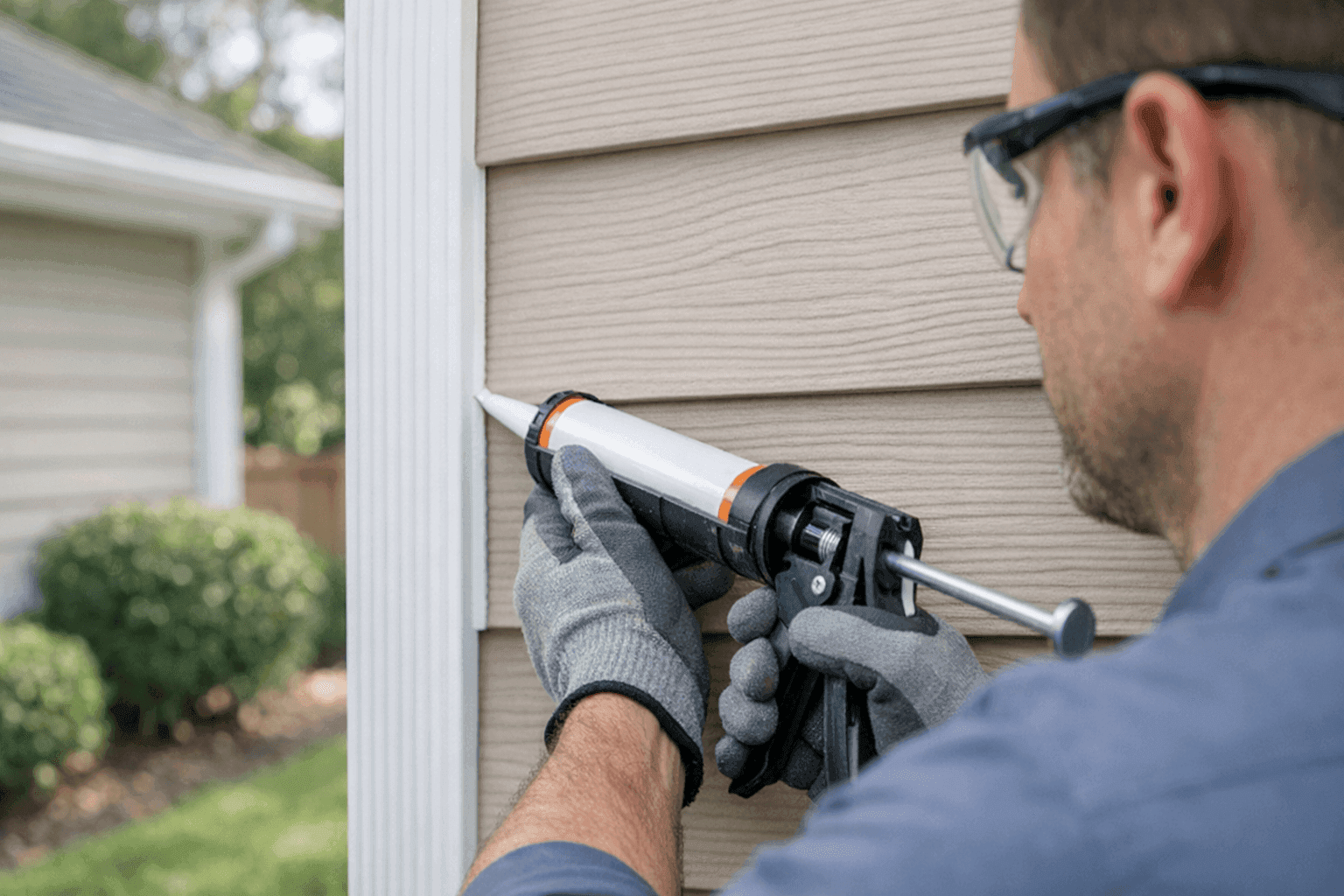
Think of caulking as your siding’s seatbelt. When it’s fresh and tight, it keeps everything secure. But old, cracked, or missing caulk is like a broken latch.
- Inspect caulking at least twice a year—spring and fall are best.
- Use paintable, exterior-grade caulks for a seamless look.
- Pay special attention to seams, corners, and around vents or pipes.
Don’t skimp. The right sealant makes all the difference between a pest-free wall and a costly repair.
Landscaping: Friend or Foe?
That lush flower bed or climbing vine might look beautiful, but it can be a pest superhighway.
- Keep mulch, soil, and plants at least 12 inches away from siding.
- Trim back shrubs, tree limbs, and ground cover regularly.
- Avoid letting firewood or compost touch the house.
- Grade soil to slope away from the foundation, preventing moisture buildup that attracts termites and ants.
Nature and your home’s exterior can coexist—just don’t make it too easy for pests to bridge the gap.
Gutter and Drainage Care: The Overlooked Factor 🪣
Clogged gutters and downspouts are like leaving out a welcome mat for pests. Standing water soaks siding, softens wood, and draws insects.
- Clean gutters every season (or more if you have trees nearby).
- Ensure downspouts direct water at least five feet from the foundation.
- Check for leaks or sagging sections that hold water.
- Install gutter guards to keep out debris and critters.
Healthy gutters are more than a rainy-day fix—they’re a year-round defense.
When to Call a Siding Pro
DIY is great for small fixes, but pest damage can go deeper than you think. If you spot large holes, structural weakness, or suspicious activity, it’s time for a professional. Licensed siding contractors have the experience, tools, and safety gear to diagnose and repair all types of siding issues.
Plus, a professional Siding Inspection can uncover hidden damage and offer solutions that last.
What the Pros Do On Arrival
When Schaefer Exteriors arrives, here’s what you can expect:
- Thorough inspection of all siding, trim, soffit, and fascia
- Moisture readings and foundation checks
- Identification of pest types and entry points
- Recommendations for repair, sealing, and follow-up
- Guidance on prevention and maintenance tailored to your home
This process is safe, efficient, and based on industry best practices, including standards from the National Pest Management Association and local codes.
Prevention & Maintenance: The Ounce of Protection
An ounce of prevention is worth a pound of repair. Here’s your year-round plan:
- Schedule annual siding inspections and maintenance.
- Reapply caulking and sealant as needed.
- Keep gutters clean and landscaping trimmed.
- Monitor for changes after storms or extreme weather.
- Upgrade to pest-resistant materials if you’re planning replacement (fiber cement, treated wood, or metal siding).
Stay proactive, and you’ll stop most problems before they start.
Costs & Time Factors
Pest-related siding repairs can range from a simple caulk job to extensive board replacement. Minor fixes may take a few hours. Severe infestations could mean days of remediation and thousands in repairs. Regular maintenance, while an upfront investment, saves money—and headaches—over time.
When It’s an Emergency 🚨
If you see active termites, swarming ants, or a rodent nest inside your siding, act quickly. Some pests can cause major structural damage in weeks, not months. Call a siding professional immediately and avoid disturbing the area.
Seasonal Considerations
Spring and fall are peak times for pest activity. Warm weather wakes up colonies; cool weather sends rodents searching for warmth. Plan your maintenance and inspections ahead of these seasons for the best defense.
Common Mistakes Homeowners Make
- Ignoring small cracks or gaps (“It’s just cosmetic…”)
- Skipping regular siding inspections
- Letting plants or mulch touch the siding
- Delaying gutter cleaning
- Using the wrong caulking or sealant
Avoid these pitfalls to keep your siding—and your home—protected.
Frequently Asked Questions
Q: Can vinyl siding get pest damage?
A: Yes. While vinyl isn’t food for termites or ants, they’ll exploit gaps, and rodents can chew through weak spots.
Q: What siding material is most pest-resistant?
A: Fiber cement and metal siding are top choices for resisting pests, but proper installation and maintenance matter most.
Q: How often should I inspect my siding?
A: At least annually, but after major storms or if you notice signs of pests, do it sooner.
Choosing the Right Siding Company
Not all contractors understand the ins and outs of pest prevention. At Schaefer Exteriors, we bring years of hands-on experience and the latest building science to every job. Whether you need a simple Siding Inspection or full Siding Weatherproofing, we tailor our approach to your needs.
If you’re looking for reliable siding services from a trusted siding contractor, check out our team of siding specialists serving your area. For more about our siding company and weatherproofing expertise, see our Siding Weatherproofing page.
Your siding is your home’s armor. Keep it strong, safe, and pest-free with Schaefer Exteriors.
Call Schaefer Exteriors now — or reach us anytime at 877-331-5875 .