How to Prevent Water Damage Behind Siding
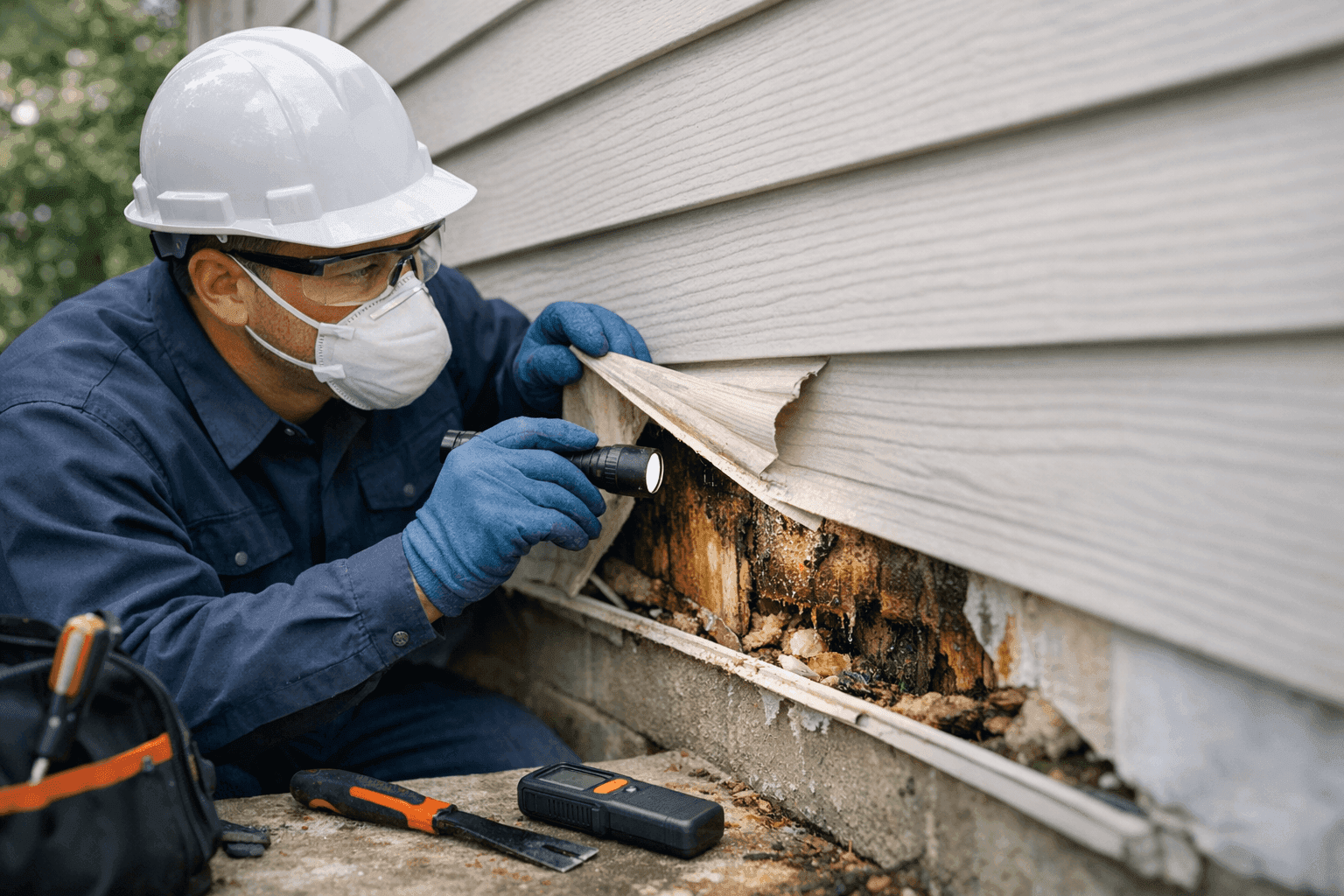
Is your home’s siding secretly hiding a big problem? Water damage behind siding isn’t always obvious—until it is, and by then, you could be facing serious repairs. At Schaefer Exteriors, we know the peace of mind that comes from knowing your home is truly protected.
Let’s break down how water sneaks in, what red flags to watch for, and the smart steps you can take to keep your investment safe for years.
How Water Slips Behind Siding: The Usual Suspects
Think of your siding as your home's raincoat. But even the best raincoat can fail if a zipper breaks, or a seam comes loose. Water can find its way in through:
- Failed caulking: Gaps and cracks let moisture seep behind panels.
- Poor flashing: If metal or plastic barriers around windows, doors, or rooflines aren’t installed right, water sneaks in.
- Bad installation: Siding nailed too tightly, out of alignment, or missing critical layers can create hidden channels for water.
- Aging or damaged materials: Over time, sun, storms, and wear break down your home’s defenses.
According to the International Residential Code (IRC), proper flashing and weather barriers are required for all siding installations—yet shortcuts or missed details are still common.
Warning Signs: Is Water Lurking Out of Sight? 🚩
Spotting water damage early can spare you a world of headaches. Watch for these telltale signs:
- Bubbling or warping siding panels
- Unexplained moldy or musty smells indoors
- Paint peeling or blistering on exterior walls
- Soft spots or crumbling wood near windows and doors
- Visible mold or mildew on siding seams
If you notice any of these, it’s time to take a closer look.
The Real Risks: What’s at Stake If You Ignore It
Letting water linger behind siding is like letting termites loose in your attic. The longer you wait, the more damage happens:
- Wood rot: Structural framing, sheathing, and trim can literally dissolve.
- Mold growth: Moisture feeds dangerous mold, which can affect your family’s health.
- Insulation damage: Wet insulation stops working, letting energy bills climb.
- Interior leaks: Eventually, water finds a way inside, damaging drywall and flooring.
Repairs can get expensive fast—sometimes requiring full siding replacement or even structural work.
Prevention First: Keeping Water Out for Good
A little prevention goes a long way. Here’s what every homeowner should do to stop water at the door:
- Seal all joints and gaps: Use durable, paintable exterior caulk and check it yearly.
- Check flashing: Make sure all windows, doors, and rooflines have intact, properly installed flashing.
- Ventilate: Proper airflow behind siding (like rainscreens or vented soffits) helps dry out any sneaky moisture.
- Maintain gutters and downspouts: Clean them out twice a year, and fix leaks or sagging right away.
- Choose the right materials: Fiber cement, vinyl, and metal siding each have unique strengths and vulnerabilities—ask for a Siding Color Consultation to get materials that suit your climate.
Quick Safety Checklist Before You Start
- Gloves and eye protection for inspections and minor repairs
- Sturdy ladder on level ground
- Test for electrical hazards inside and out (especially after storms)
- Know when to call for help—structural rot or mold is not a DIY fix
DIY or Call the Pros? Knowing Your Limits
Some maintenance tasks—like cleaning siding or resealing caulk—are safe weekend jobs. But if you spot:
- Active leaks
- Soft or crumbling wood
- Visible mold behind siding
- Large warped or missing panels
It’s time to bring in siding specialists who can assess hidden damage and recommend safe, lasting repairs.
What Happens During a Professional Siding Inspection?
When you book a Siding Inspection with Schaefer Exteriors, here’s what to expect:
- We start with a detailed exterior walk-around, checking all seams, joints, and entry points.
- Moisture meters and infrared cameras may be used to find trapped water.
- We look for code compliance, especially with flashing and weatherproofing.
- You receive a clear report—with photos—so you can make informed decisions.
Regular inspections, especially after major storms or before selling your home, are a smart investment.
The Cost of Water Damage: Dollars and Disruption
Minor caulking or patch jobs cost little in time or money. But water left unchecked can mean:
- Full removal and replacement of siding or sheathing
- Structural repairs (framing, insulation, even drywall)
- Mold remediation, which can be costly and disruptive
Plan for at least a day or two for major repairs—sometimes longer if rot or mold is widespread.
When It’s an Emergency: Act Fast, Minimize Damage
If you see water pouring in, hear dripping behind walls, or notice a sudden bulge in your siding after a storm, act quickly:
- Move belongings away from affected areas
- Shut off electricity if water is near outlets or panels
- Call for emergency siding services before mold or rot takes hold
Fast action can be the difference between a quick fix and a months-long headache.
Year-Round Maintenance: Stay Ahead of the Storms 🌦️
Seasonal changes can challenge your siding. Here’s how to keep ahead:
- Spring: Inspect for winter damage, clear gutters, check caulk.
- Summer: Look for sun-related fading or cracking; trim landscaping to allow airflow.
- Fall: Clear leaves, check for storm damage, prep gutters for ice and snow.
- Winter: Watch for ice dams and heavy snow that can force water behind siding.
Regular attention makes a big difference.
Common Mistakes Homeowners Make
- Relying on "quick fixes" like overpainting instead of repairing
- Ignoring small leaks or musty odors
- Letting gutters clog, causing overflow right onto siding
- Skipping annual inspections
A little care now saves big headaches later.
Choosing the Right Materials and Upgrades
Not all siding is created equal. Some options, like fiber cement or vinyl, resist water better than others. Ask about:
- Siding Weatherproofing systems that include moisture barriers and ventilated rainscreens
- Upgraded flashing and sealants designed for your climate
- Eco-friendly siding choices that still offer strong moisture resistance
Our siding material consultation helps you pick the best fit for your home.
Timeline & Disruption: What to Expect During Repairs
Smaller fixes (like caulking or patching) can take just a few hours. Full siding replacement or rot remediation may take several days, especially if weather delays work. Our team will always communicate timelines and keep disruption to a minimum.
Frequently Asked Questions
How often should I inspect my siding?
At least once a year—or after any major storm.
Can I just caulk over old, cracked caulk?
No. Old caulk should be removed first, then replaced with high-quality, exterior-rated products.
Does insurance cover water damage behind siding?
Sometimes, but not always—especially if maintenance was neglected. Keep records of inspections and repairs.
Building Confidence: Why Professional Eyes Matter
It’s easy to miss subtle signs of trouble. That’s why our team at Schaefer Exteriors brings years of experience and a trained eye to every inspection. We follow standards from the International Residential Code and industry best practices, so you get solutions that last.
If you’re in the area and want to work with a trusted siding company, let’s talk.
Don’t let hidden water damage sneak up on you. Protect your home’s value, comfort, and safety with regular siding maintenance and professional inspections.
Call Schaefer Exteriors now — or reach us anytime at 877-331-5875 .