How to Prevent Siding Damage After a Storm
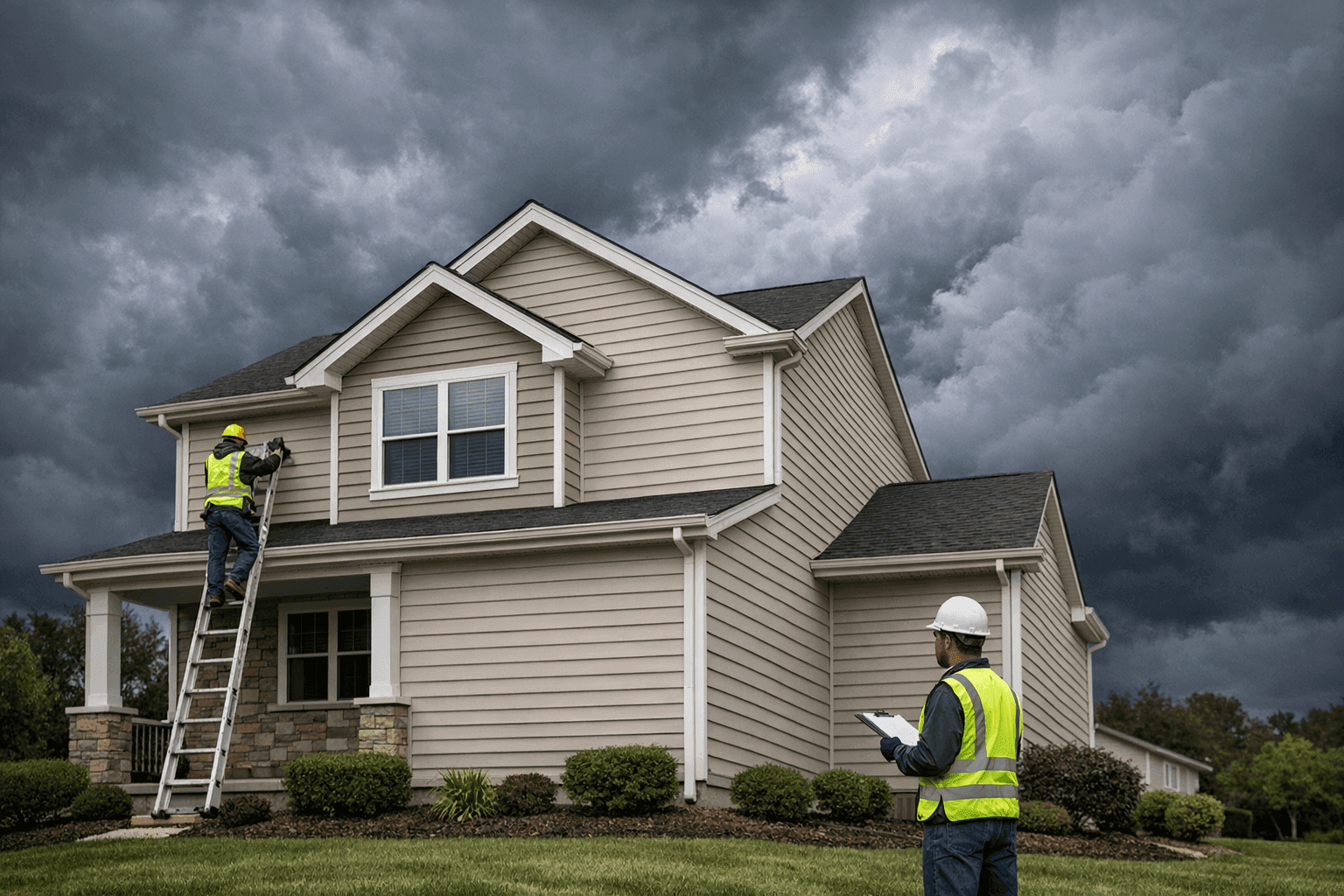
Weather can turn fierce in a heartbeat. One minute, the sky is calm. The next, dark clouds roll in, winds whip up, and your home’s siding faces the brunt of nature’s fury. At Schaefer Exteriors, we know how quickly storm damage can threaten not just curb appeal, but your home’s structure and comfort.
If you’ve ever worried about hail, wind, or flying debris tearing at your siding, you’re not alone. Here’s how you can take charge—before, during, and after a storm—to keep your siding strong and your home protected.
Understanding the Storm Threat
Storms are unpredictable. They bring wind, hail, and heavy rain—sometimes all at once. Each element poses a unique risk:
- Wind can pry siding loose or send branches crashing down.
- Hail is like someone pitching rocks at your siding.
- Flying debris acts like a battering ram.
- Water sneaks in through the smallest cracks, causing rot and mold.
The goal: turn your siding into a suit of armor, not a weak spot.
Pre-Storm Prep: Your Siding’s First Line of Defense
A little preparation goes a long way. Here’s how to give your siding an edge before the next storm hits:
- Inspect Your Siding: Walk around your home. Look for loose panels, cracks, or worn caulking. Address these early.
- Secure Outdoor Items: Patio furniture, grills, and even garden tools can become dangerous projectiles.
- Trim Trees and Shrubs: Overhanging branches are a siding’s worst enemy during high winds. Keep them trimmed back.
- Check Gutters & Downspouts: Clogged gutters cause water to back up, which can leak behind siding.
Small steps. Big difference.
Siding Inspection: Spot Trouble Before It Starts
A thorough siding inspection is like checking your armor for weak spots before battle. What should you look for?
- Warped or buckled boards
- Faded or peeling paint (a sign of water intrusion)
- Gaps near windows, doors, or corners
- Soft spots that could mean hidden rot
Schedule a professional siding inspection if you spot any of these issues—or if your siding hasn’t been checked in a while.
Siding Weatherproofing: Lock Out the Elements
The right weatherproofing keeps water where it belongs—outside. Consider:
- Caulking and Sealing: Refresh caulk around windows, doors, and seams.
- Flashing Repair: Make sure metal flashing deflects water away from your home.
- Ventilation: Good airflow behind siding prevents trapped moisture and mold.
Upgrading weatherproofing? Our siding weatherproofing service uses modern materials that last.
During the Storm: Stay Safe, Not Sorry ⚠️
When a storm is raging, your safety comes first. Don’t try to fix or check siding in dangerous conditions. Instead:
- Stay indoors and away from windows.
- Listen to local weather alerts.
- If you notice siding flapping or debris striking the house, wait until the storm passes before investigating.
No siding repair is worth risking your health.
Immediate Post-Storm Checks: What to Do First
Once the sky clears, it’s time to assess the damage. Here’s your quick checklist:
- Walk the Perimeter: Look for missing, cracked, or dented siding.
- Check for Water Intrusion: Inspect inside walls for damp spots or a musty smell.
- Note Damaged Gutters or Trim: These can channel water behind siding if left unchecked.
- Photograph Everything: Pictures of damage are crucial for insurance.
If in doubt, call a professional to check for less-visible problems.
Documenting Damage for Insurance
Insurance adjusters love clear evidence. After a storm:
- Take wide shots of your home, plus close-ups of all damage.
- Make notes on the date, time, and what happened.
- Save receipts for emergency repairs.
A well-documented claim gets processed faster—less hassle, more peace of mind.
Common Storm Mistakes to Avoid
It’s easy to make missteps when disaster strikes. Steer clear of these:
- Waiting too long to check for damage—small problems become big headaches.
- Neglecting to document damage before starting repairs.
- Using temporary patches that don’t keep water out.
- Ignoring siding near the roofline or behind shrubs (these areas get missed most often).
DIY vs. Calling a Siding Pro
Some fixes are simple—like reattaching a loose panel. Others aren’t. If you notice:
- Large sections missing or blown off
- Water stains inside the home
- Soft or sagging walls
Call a siding professional. They know what to look for and how to fix it right the first time.
What the Pros Do When They Arrive
Professional siding specialists take a methodical approach:
- Full inspection using ladders and moisture meters
- Detailed repair recommendations
- Spot repairs or full replacements as needed
- Help with insurance paperwork, if requested
They’ll also check related areas—like flashing, trim, and soffits—to make sure nothing gets missed.
Siding Repair Costs: What to Expect
Costs can swing like the weather. Minor repairs may be quick and affordable. Major storms, especially with water intrusion, can mean more extensive work. Always ask for a detailed estimate and keep your insurance documents handy.
When It’s an Emergency
Some storm damage needs immediate attention:
- Exposed sheathing or framing
- Water pouring inside
- Electrical hazards (never approach downed lines)
In these cases, call emergency siding services right away. Fast action can prevent further trouble.
Materials Matter: Choose Siding That Lasts
Not all siding is created equal. Fiber cement, vinyl, and engineered wood each have their strengths against storms. If you’re considering new siding, ask about impact ratings and warranties. Our Siding Color Consultation near you can also help you pick materials that are both sturdy and stylish.
Seasonal Tips: Make Storm Prep a Habit 🌦️
Don’t wait for the first thunderclap. Schedule seasonal siding checks—spring and fall are ideal. Clean siding, inspect for wear, and make repairs before the weather turns wild.
Signs of Hidden Trouble
Some storm damage hides below the surface:
- Dripping sounds inside walls
- Sudden spikes in energy bills (a sign of lost insulation)
- Moldy smells or peeling paint indoors
If something feels off, trust your instincts and get it checked.
Siding Damage in Your Community
Storms don’t discriminate—they hit every neighborhood. If you’re in the region and searching for reliable siding specialists in Scranton, our team is prepared for local weather patterns and knows exactly what to look for.
Resources for Siding Safety
- The Federal Emergency Management Agency (FEMA) offers guidelines for post-storm safety.
- The Insurance Institute for Business & Home Safety (IBHS) provides recommendations for resilient construction.
- Always follow local building codes for repairs and new installations.
Take Charge of Your Siding’s Future
A little vigilance today can prevent major headaches tomorrow. Regular inspections, smart upgrades, and quick action after a storm will keep your home secure and beautiful.
Call Schaefer Exteriors now — or reach us anytime at 877-331-5875 .