How to Prepare for a Siding Inspection
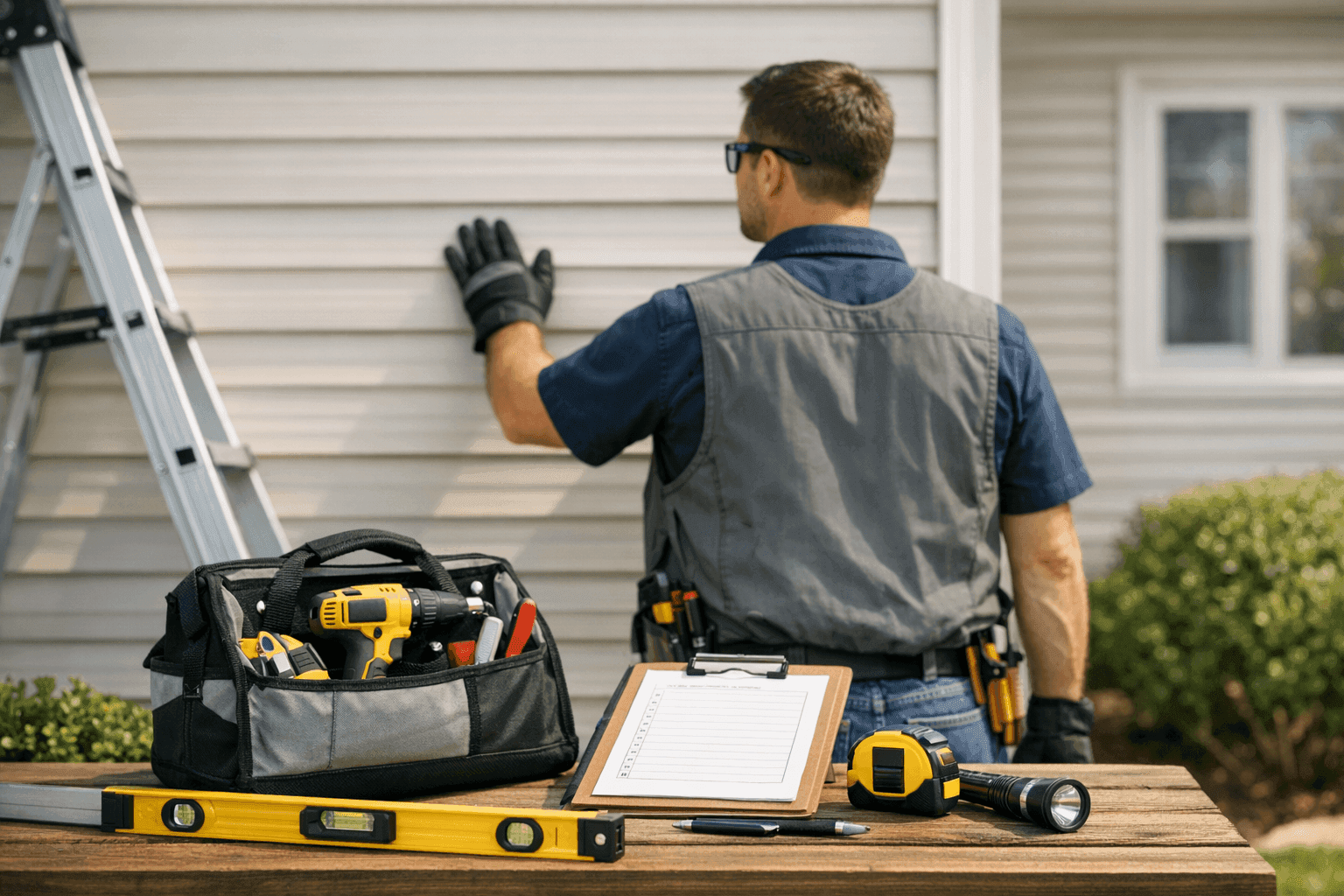
Your home’s siding is a shield—protecting everything and everyone inside from wind, rain, heat, and cold. But even shields need a check-up. That’s where a thorough siding inspection by Schaefer Exteriors comes in.
Ignoring small issues can turn a tiny crack into a costly headache. Early detection is key. Preparing for a siding inspection isn’t complicated, but knowing what to expect gives you peace of mind and helps your home stay strong.
Why Inspections Matter
It’s easy to forget about siding until something goes wrong—a leak after a storm, or peeling paint that won’t stop spreading. But just like you wouldn’t skip a doctor’s checkup, your siding needs regular attention to stay healthy.
A professional siding inspection looks for hidden damage, early signs of rot, or gaps where moisture can sneak in. According to the International Association of Certified Home Inspectors (InterNACHI), regular exterior inspections are one of the best ways to prevent major repairs.
Early issue detection saves money and stress. Think of it as catching a tiny leak before it becomes a flood.
The Real Cost of Ignoring Siding Problems
A missing piece of trim or a hairline crack might seem small. But water, pests, and even sunlight can quickly make things worse. Left unchecked, minor issues can lead to mold, insulation damage, or even structural problems.
Insurance often won’t cover damage caused by lack of maintenance. So, keeping up with inspections and repairs is more than an option—it’s a necessity.
Pre-Inspection Checklist 📝
Getting ready for your siding inspection is straightforward. Here’s a simple checklist to make the process smooth:
- Clear Access: Move patio furniture, grills, garbage bins, and garden tools away from exterior walls.
- Trim Landscaping: Cut back any shrubs or branches touching the siding. This helps inspectors see all surfaces clearly.
- Unlock Gates: Ensure the inspector can access all sides of your home.
- List Your Concerns: Write down any issues you’ve noticed—drafts, water stains, or recent storm damage.
- Secure Pets: Keep dogs or other pets indoors during the inspection.
- Take Photos: If you’ve noticed changes over time (like a growing crack), snap some pictures to show your inspector.
- Review Past Work: Gather records of recent repairs or previous inspections if you have them.
What Inspectors Look For
A thorough siding inspection covers much more than a quick walk-around. Here’s what professionals check:
- Surface Damage: Cracks, dents, holes, or warping in the siding material.
- Moisture Issues: Signs of water intrusion, mold, or rot—especially near joints and seams.
- Paint & Finish: Peeling paint or faded color that could mean water is getting underneath.
- Attachment Points: Loose or missing fasteners, nails, or screws.
- Flashings & Seals: Proper installation and condition of flashings around windows, doors, and rooflines.
- Trim & Molding: Gaps, rot, or separation in trim pieces.
- Insulation & Ventilation: Signs that insulation is failing or that ventilation isn’t adequate.
- Pest Damage: Look for holes or tunnels that could signal insects or rodents.
- Gutters & Downspouts: Proper drainage and any leaks that could affect the siding.
How to Clear Access for a Thorough Inspection
Imagine trying to read a book with half the pages glued together. That’s what it’s like for inspectors when clutter blocks the siding. Move everything that touches or leans against the house. If you have overgrown vines or bushes, trim them back to shoulder height.
Not only does this help the inspector, it also gives you a better look at your siding for your own peace of mind.
Listing Your Concerns: Why It Matters
You know your home better than anyone. If you’ve noticed drafts, odd smells, or water spots inside, write them down—even if you think they aren’t related. Sometimes, the smallest detail can lead to the root of a siding problem.
What Happens During the Inspection
Siding professionals arrive with sharp eyes and the right tools. Expect them to:
- Walk around the entire home, checking every surface
- Use ladders or binoculars for hard-to-see spots
- Probe soft areas gently to check for rot
- Use moisture meters in suspicious areas
- Take notes and photos for the inspection report
If you’re home during the visit, feel free to ask questions or point out areas you’re worried about.
After the Inspection: What Comes Next?
The real value of a siding inspection is in the report. Your inspector will summarize what they found, including:
- Areas that need immediate attention
- Maintenance suggestions to prevent future problems
- Photos or diagrams showing any issues
Review the report carefully. Ask for clarification if anything isn’t clear. If repairs are needed, schedule them promptly to avoid escalating damage.
For ongoing peace of mind, consider regular siding maintenance as part of your home’s yearly routine.
Common Signs It’s Time for a Siding Inspection
Not sure if you need an inspection soon? Watch for these warning signs:
- Warped or buckling panels
- Gaps or loose boards
- Peeling paint or bubbling under the surface
- Increased energy bills (which could mean insulation issues)
- Mold, mildew, or stains on interior walls
- Sounds of pests in the walls
If you spot any of these, don’t wait. Small problems grow fast.
Siding Inspections: DIY or Call a Pro?
You can walk around your home and spot obvious troubles—missing boards, peeling caulk, or visible holes. But some issues hide beneath the surface. Professionals use tools and check techniques that go deeper, spotting trouble before it gets expensive.
If you’re unsure, scheduling a Siding Inspection near you is always the safer bet.
How Long Does an Inspection Take?
Most residential siding inspections take 1–2 hours, depending on your home’s size and condition. Larger homes, multiple stories, or complex trim work might take a bit longer.
You’ll receive a detailed report soon after, usually within a day or two.
How Inspections Help with Insurance and Resale
A record of regular siding inspections can help when filing an insurance claim for storm damage or water intrusion. It also adds value if you plan to sell your home—proving you’ve cared for your investment.
Seasonal Considerations: When to Schedule
Spring and fall are ideal times for a siding inspection. Extreme weather—hot summers, icy winters—can reveal or worsen problems. Scheduling before or after these seasons means you catch issues early.
If you’ve had a particularly rough storm season, don’t wait. Emergency siding services are available if you find sudden or severe damage.
Preparing for Special Materials and Features
Different siding materials—vinyl, fiber cement, wood, stucco, or metal—come with their own quirks. If you have custom trim, unique colors, or eco-friendly siding, let your inspector know. This ensures they bring the right tools and knowledge.
If you’re considering a change, such as a Siding Color Consultation, mention it during your appointment.
Mistakes to Avoid Before an Inspection
- Don’t skip the prep. Obstructed siding means missed issues.
- Don’t wait for visible damage. Early checks save money.
- Don’t ignore small leaks or drafts. They often signal bigger problems.
Supporting Codes and Safety Guidelines
Professional siding inspections adhere to standards from the International Code Council (ICC) and local building codes. Inspectors check for proper installation, safe materials, and compliance with safety regulations.
Emergency Siding Inspections: When Speed Matters
Storm damage, sudden leaks, or fallen branches can’t wait. If you notice sudden changes after a weather event, call for an immediate inspection. Quick action can prevent further damage and protect your home.
If you’re in the area and searching for a reliable siding company, Schaefer Exteriors is here to help.
The Role of Maintenance After Your Inspection
An inspection isn’t the end—it’s the start of a care routine. Address repairs promptly, keep up with cleaning, and schedule future check-ups. This keeps your siding looking sharp and performing its best.
Ready to schedule your siding inspection or have questions about your home’s exterior?
Call Schaefer Exteriors now — or reach us anytime at 877-331-5875 .