How to Pick the Best Siding Material for Your Home
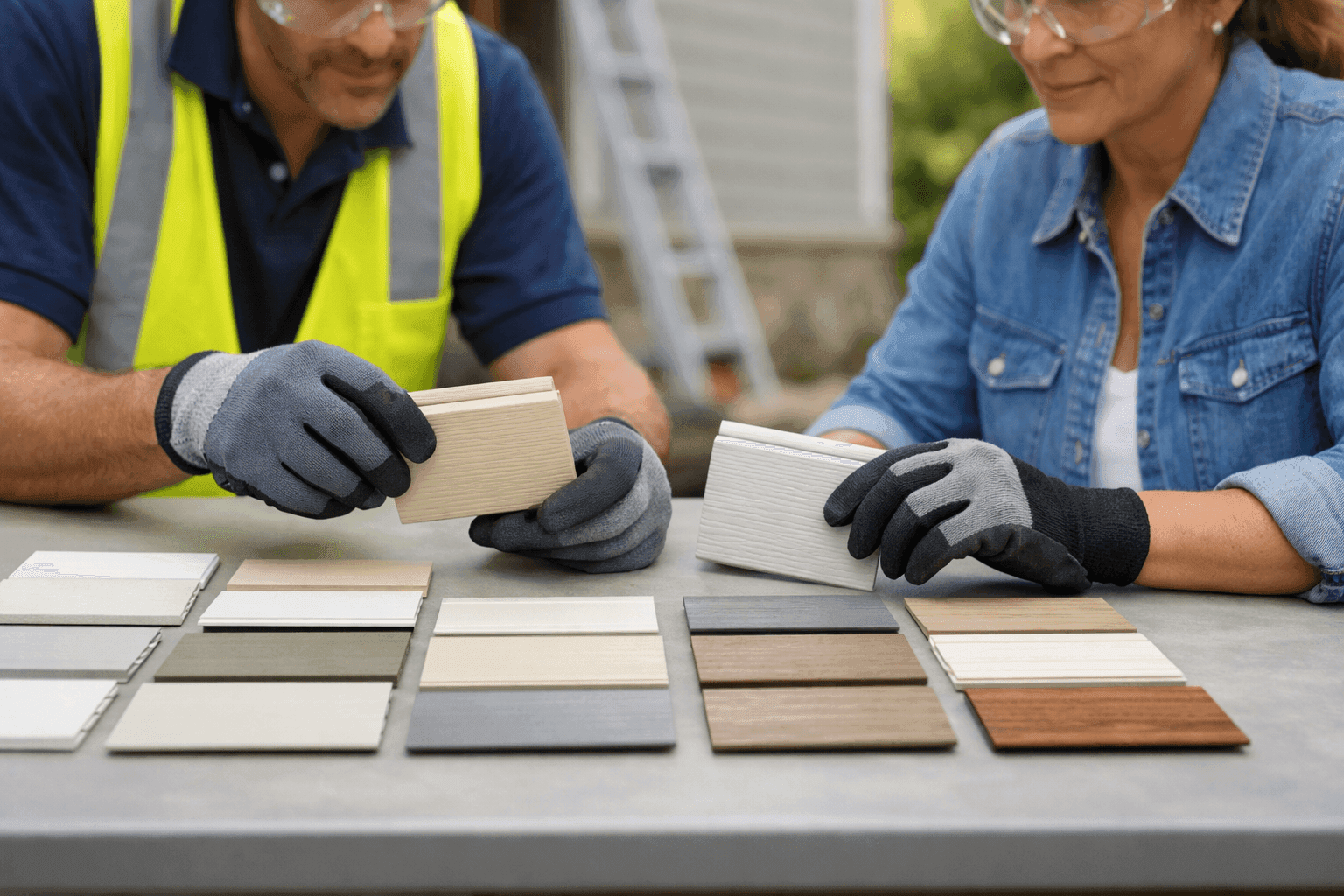
Feeling overwhelmed by all the siding options? You’re not alone. Choosing the right siding for your home is a big decision—one that shapes your curb appeal, shields your house from weather, and even impacts your energy bills.
At Schaefer Exteriors, we’ve helped countless homeowners navigate the maze of materials and finishes. This guide will give you the plain facts (and a few pro tips) so you can talk siding with confidence.
Why Siding Material Matters
Your siding is more than just a pretty face. It’s the armor, the winter coat, the handshake your home offers the neighborhood. The right choice means lower maintenance, a lasting look, and peace of mind during the next big storm.
Meet Your Main Siding Choices
Let’s break down the five heavy hitters:
- Vinyl Siding: Affordable and versatile.
- Fiber Cement Siding: Known for durability and style flexibility.
- Wood Siding: Classic beauty, but higher maintenance.
- Metal Siding: Modern and tough.
- Stucco Siding: Unique texture, great for some climates.
Every material has its quirks. Let’s get into the details.
Durability: Which Siding Stands the Test of Time? 🏡
- Vinyl: Resists rot and insects, but can crack in extreme cold or fade in constant sun.
- Fiber Cement: Handles storms, fire, and pests like a champ—often lasts decades.
- Wood: Needs care, especially in wet or bug-prone areas. Can last if you’re diligent.
- Metal: Laughs off hail, fire, and insects. May dent if hit hard enough.
- Stucco: Lasts long in dry climates; struggles with constant moisture.
Tip: Always check local building codes (like those from the International Code Council) for minimum requirements on siding durability in your area.
Cost: Upfront Price vs. Long-Term Value
- Vinyl: Lowest initial cost and installation.
- Fiber Cement: Mid-range cost, but lower lifetime repairs.
- Wood: Expensive upfront and in upkeep.
- Metal: Higher initial cost, but rare repairs.
- Stucco: Varies; professional installation is a must.
Remember, cheaper isn’t always better. Factor in how often you’ll need to paint, repair, or replace your siding over the next 20 years.
Maintenance: How Much Elbow Grease? 🧽
- Vinyl: Occasional wash, rare repairs.
- Fiber Cement: Needs painting every 10-15 years.
- Wood: Annual caulking, frequent painting or staining.
- Metal: Hose it down, check for dents.
- Stucco: Patch cracks promptly, inspect for moisture.
Style & Curb Appeal: What’s Your Home’s Personality?
- Vinyl: Comes in every color of the rainbow (and then some).
- Fiber Cement: Mimics wood, stone, or smooth modern looks.
- Wood: Unmatched warmth and texture.
- Metal: Sleek, industrial, or rustic—your call.
- Stucco: Southwest and Mediterranean vibes.
Siding Color Consultation near you can help you visualize options on your own home before you commit.
Energy Efficiency: Keep the Elements Out
- Vinyl: Can be paired with foam insulation.
- Fiber Cement: Solid barrier, but needs added insulation for best results.
- Wood: Natural insulator, but gaps can let air in.
- Metal: Needs insulated backing to avoid heat/cold transfer.
- Stucco: Insulates well with proper installation and layers.
Proper installation matters as much as material—ask about insulation installation with any new siding project.
Weather Resistance: Will It Hold Up Here?
Think about your local climate:
- Heavy rain or humidity? Fiber cement and metal are top picks.
- Freeze/thaw cycles? Avoid stucco; fiber cement shines.
- Hot sun? Metal and fiber cement keep their color best.
- Salt air (coastline)? Vinyl and aluminum resist corrosion.
Decision Checklist: What Should You Consider?
Before making your pick, run through this quick list:
- Climate: Does the material thrive where you live?
- Home Age: Will the new siding fit your house’s frame and style?
- Personal Priorities: Is low maintenance more important, or is it all about looks?
- Budget: Can you afford the initial cost and the long-term care?
- HOA or Historic Rules: Are there neighborhood restrictions?
Write down your must-haves before you meet with a siding company.
Common Mistakes (and How to Dodge Them) ⚠️
- Ignoring climate needs: Some siding fails early if it’s wrong for your region.
- Skipping prep work: Old, damaged walls under new siding will haunt you later.
- Overlooking ventilation: Trapped moisture = rot and mold.
- DIY gone wrong: Some jobs demand pro tools and know-how.
- Choosing by color alone: Looks fade, but performance lasts.
Ask your contractor about local building codes and manufacturer installation guidelines (such as ASTM International standards) to avoid headaches down the road.
When to Call a Pro
A material may look easy on paper, but installation is a different story. Fiber cement and stucco need special tools. Metal can be tricky to cut and seal. Wood demands a practiced hand to avoid warping or leaks.
A pro’s eye can also spot issues with your sheathing, flashing, or insulation that could shorten your siding’s lifespan.
What to Expect When We Arrive
At Schaefer Exteriors, we start with a close-up inspection—looking for hidden moisture, rot, or damage. Then, we discuss your goals and walk you through every option, from classic vinyl to eco-friendly modern styles.
We’ll recommend the right material mix for your home’s age, climate, and your long-term plans. No surprise costs, no pushy upsells.
Timeline and Disruption: How Long Does It Take?
Most residential siding jobs run 1–2 weeks. Factors that affect timing:
- Size of your home
- Material choice
- Weather delays
- Need for repairs under the old siding
We keep the disruption as light as possible, so you can keep living your life.
Siding Safety & Building Code Basics
Your home’s safety depends on more than just sturdy materials. Proper flashing, caulking, and weatherproofing keep water—and trouble—out. Always choose a siding contractor who follows local codes and manufacturer guidelines.
Want to dig deeper? Check the International Residential Code (IRC) for siding safety, or ask us for specifics.
Prevention & Maintenance: Make It Last
- Clean annually: Hose off dirt, watch for mold.
- Inspect after storms: Look for cracks, gaps, or loose panels.
- Repaint/seal as needed: Especially for wood and fiber cement.
- Keep gutters clear: Prevent water from sneaking behind your siding.
Routine check-ups catch small problems before they turn into big bills.
Seasonal Considerations
- Spring: Perfect for inspections and repairs after winter.
- Summer: Best weather for most installations.
- Fall: Good for prepping your home for winter.
- Winter: Emergency repairs only (some materials can’t be installed in freezing temps).
The Value of a Siding Material Consultation
No two homes—or homeowners—are the same. That’s why a personalized Siding Material Consultation is worth its weight in gold. We’ll walk you through the best options for your climate, budget, and style.
Want to see what’s possible for your home? View our Residential Siding service for more inspiration.
If you’re in the area and searching for a reputable siding company, our team is proud to offer siding services in Medford, tailored to local weather and building codes.
Ready to Talk Siding? Let’s Get Started
Don’t let the maze of choices slow you down. The right siding will keep your home looking sharp and weather-tight for years to come. At Schaefer Exteriors, we’re here to answer your questions and make the process smooth from start to finish.
Call Schaefer Exteriors now — or reach us anytime at 877-331-5875 .