How to Paint Exterior Siding Like a Pro
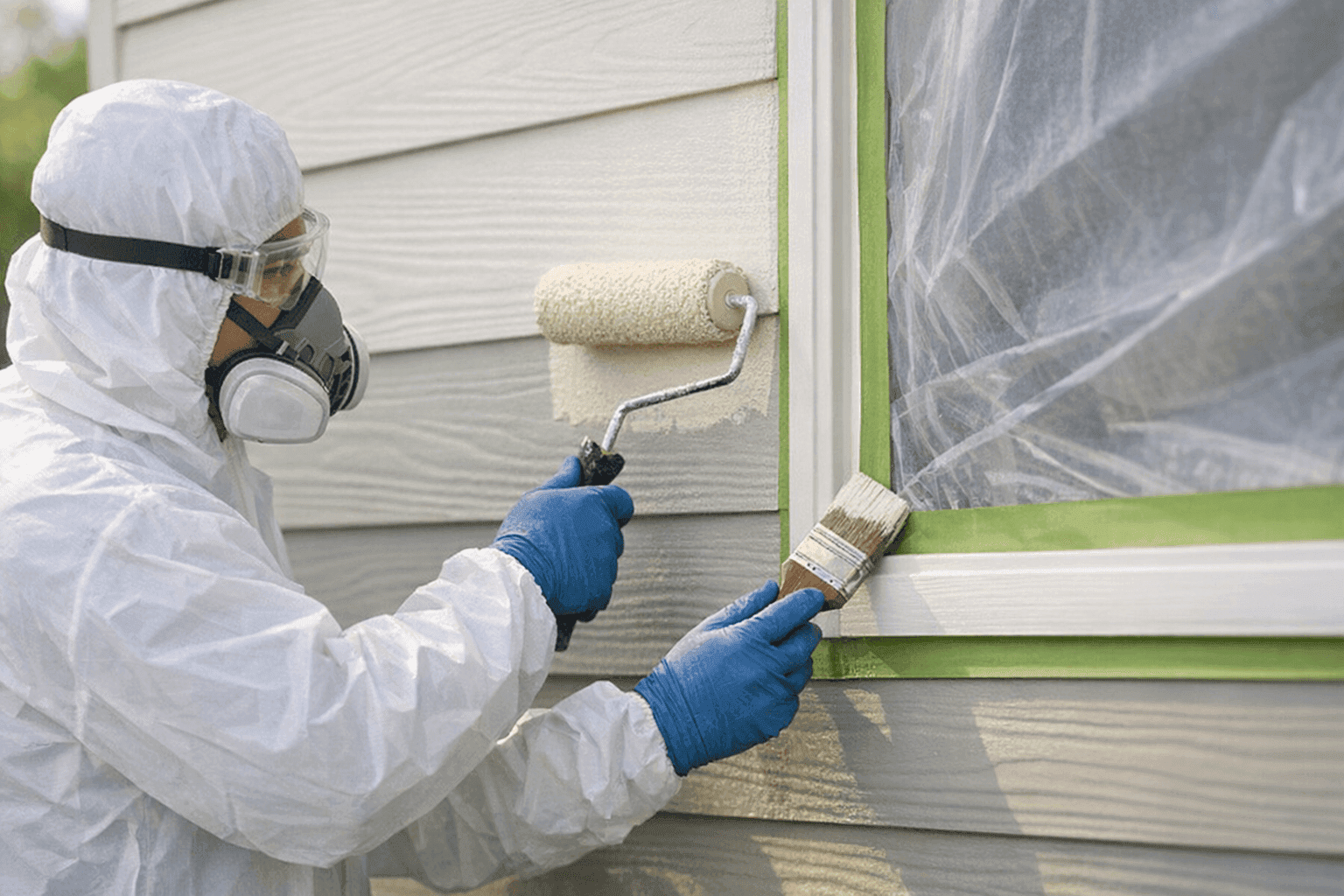
Does your home’s siding look faded, tired, or patchy after years of sun and storms? Thinking about grabbing a brush and tackling it yourself? Before you crack open that paint can, let’s walk through the real steps the pros use—hard-earned techniques for long-lasting, beautiful results.
At Schaefer Exteriors, we don’t just slap on a coat and hope for the best. We believe in sharing the pro secrets that make painted siding stand out and last for years. Whether you’re a seasoned DIYer or just want to understand what goes into a flawless finish, this guide is for you.
Choosing the Right Paint: More Than Just Color 🎨
Picking paint for siding isn’t like choosing a shirt color. The right product protects your home from wind, water, sun, and time itself.
- Acrylic latex paints are a favorite for most siding types—fiber cement, wood, or vinyl—because they’re flexible, breathable, and resist fading.
- For older wood or historic homes, oil-based primers under acrylic topcoats can block stains and help paint grip.
- Sheen matters: Satin or low-luster finishes hide surface flaws and are easier to clean than flat paints.
Ask about paints rated for exterior use and check the manufacturer’s warranty. Many brands specify which sidings their paint is formulated for—don’t guess.
If you’re stuck between swatches, consider a Siding Color Consultation to see what works best with your home’s architecture and neighborhood palette.
Prep Work: The Real Secret to a Great Paint Job
Here’s the truth: 80% of a pro paint job is in the prep. Imagine painting over a dusty windshield—no matter how shiny the paint, the grime underneath ruins the view.
Must-do prep steps:
- Deep Cleaning: Pressure wash siding to remove mold, chalk, and old paint flakes. Let it dry fully—trapped moisture is a recipe for peeling.
- Scrape and Sand: Remove loose paint. Feather rough edges. Don’t skip this—uneven surfaces stick out like a sore thumb.
- Repair Damage: Patch holes, replace rotten boards, and caulk cracks. Quality caulk keeps water out and paint on.
- Protect Surroundings: Cover foundation plantings, windows, and walkways with drop cloths.
Always check for lead paint in homes built before 1978. The EPA’s Renovation, Repair, and Painting (RRP) Rule outlines safe practices for lead—don’t risk your health.
Quick Safety Checklist
Painting a two-story home isn’t just about style—it’s about safety.
- Use sturdy ladders and scaffolding. Never overreach.
- Wear gloves, goggles, and a respirator if sanding.
- Avoid painting in high winds or on wet, slippery surfaces.
If heights or safety gear aren’t your thing, it’s smart to call a siding specialist.
Painting Techniques: How Pros Get That Flawless Finish 🖌️
Pros don’t just dip and swipe. They use simple but powerful techniques to get the best results:
- Work Top Down: Gravity is not your friend with drips. Always start at the top.
- Brush, Roller, or Sprayer: Use a brush for edges and trim, a roller for big flat areas, or a sprayer for speed (but only after masking everything in sight).
- Two Thin Coats: Rushing with a single thick layer leads to bubbles and peeling. Two coats provide even coverage and durability.
- Watch the Weather: Paint when temps are between 50–85°F and rain isn’t in the forecast for at least 24 hours. Hot sun can bake paint too fast; cold weather keeps it from curing.
Common Mistakes That Ruin a Paint Job
Even the best intentions can go sideways. Here are pitfalls to dodge:
- Painting over dirt, mildew, or chalky residue.
- Skipping primer on raw wood or patched areas.
- Painting in the wrong weather—too cold, too humid, or direct blazing sun.
- Ignoring gaps, cracks, or failing caulk.
- Not blending new paint into old—leading to stripes or “lap marks.”
When DIY Is Safe—and When to Call a Pro
Rolling up your sleeves to paint a single-story section? Go for it if you’re comfortable with ladders and basic repairs. But if your siding is high, damaged, or needs extensive prep, it’s time to call in the pros.
Professional painters bring specialized equipment for safety, ensure code compliance, and use premium materials for a finish that lasts.
What Pros Do On Arrival
Ever wondered what happens when you hire a siding company? Pros inspect the siding for damage, moisture, or insect issues before a single drop of paint is applied. They’ll recommend repairs or upgrades—like replacing rot, adding insulation, or improving ventilation—to make sure your siding is paint-ready.
They’ll also test for lead paint, advise on color and finish for your climate, and outline a step-by-step plan for prep, prime, and paint.
Materials & Equipment Checklist
A pro-quality paint job needs more than a brush and a bucket:
- Sturdy ladders or scaffolding
- Pressure washer or siding cleaner
- Paint scraper and sanding blocks
- High-quality exterior primer and paint
- Caulk and sealant
- Drop cloths and painter’s tape
- Protective gear: gloves, goggles, mask
Cutting corners on tools can mean more work and less protection for your home.
Costs & Time Factors
Painting siding is an investment. Materials, prep, and labor all add up. DIY can save money, but it often takes twice as long and sometimes needs fixes later.
A pro job may seem like more upfront, but you’re buying years of durability—and avoiding costly mistakes.
Timeline & Disruption: What To Expect
Depending on home size and siding condition, painting can take anywhere from a weekend DIY to a week-plus for a full crew. Expect some noise, ladders, and blocked walkways—but a professional team keeps the disruption to a minimum.
Prevention & Maintenance: Keep Your Finish Fresh 🛠️
A great paint job doesn’t end when the brushes are cleaned. Protect your investment with regular Siding Maintenance:
- Wash siding annually to remove dirt and debris.
- Touch up chips and scratches before water sneaks in.
- Re-caulk joints and seams every few years.
- Keep gutters clean to prevent water stains and rot.
Regular care keeps paint looking sharp and siding protected from the elements.
Seasonal Considerations: Timing Is Everything
Paint loves mild, dry weather. Early summer or fall is ideal—avoid the rainy season or humid heatwaves.
If you’re in a region with harsh winters, plan ahead. Siding painted too late in the year may not cure properly.
Signs of Trouble: When to Repaint or Repair
Keep an eye out for these signals:
- Fading, chalking, or peeling paint
- Warped or cracked siding boards
- Soft spots or visible mold
- Gaps around windows or trim
Catching problems early means easier, less expensive fixes.
Siding Painting FAQ
How often should I repaint siding?
Most homes need new paint every 5–10 years, depending on siding type, color, and climate.
Can I paint vinyl siding?
Yes—with the right paint. Use products made specifically for vinyl, and stick to lighter shades to avoid warping.
Is there a best color for durability?
Lighter colors reflect sun and resist fading, while dark shades can absorb heat and fade faster.
What about warranties?
Always ask your contractor or paint supplier about warranty terms for both paint and labor.
Why Schaefer Exteriors?
We believe in doing things right—every step, every time. Our crews treat every home as if it’s their own, using the best tools and products for a finish that lasts. Whether you need Siding Painting or year-round siding care, we’re here to help your home stand out for all the right reasons.
Call Schaefer Exteriors now — or reach us anytime at 877-331-5875 .