How to Maintain Stucco Siding and Prevent Cracks
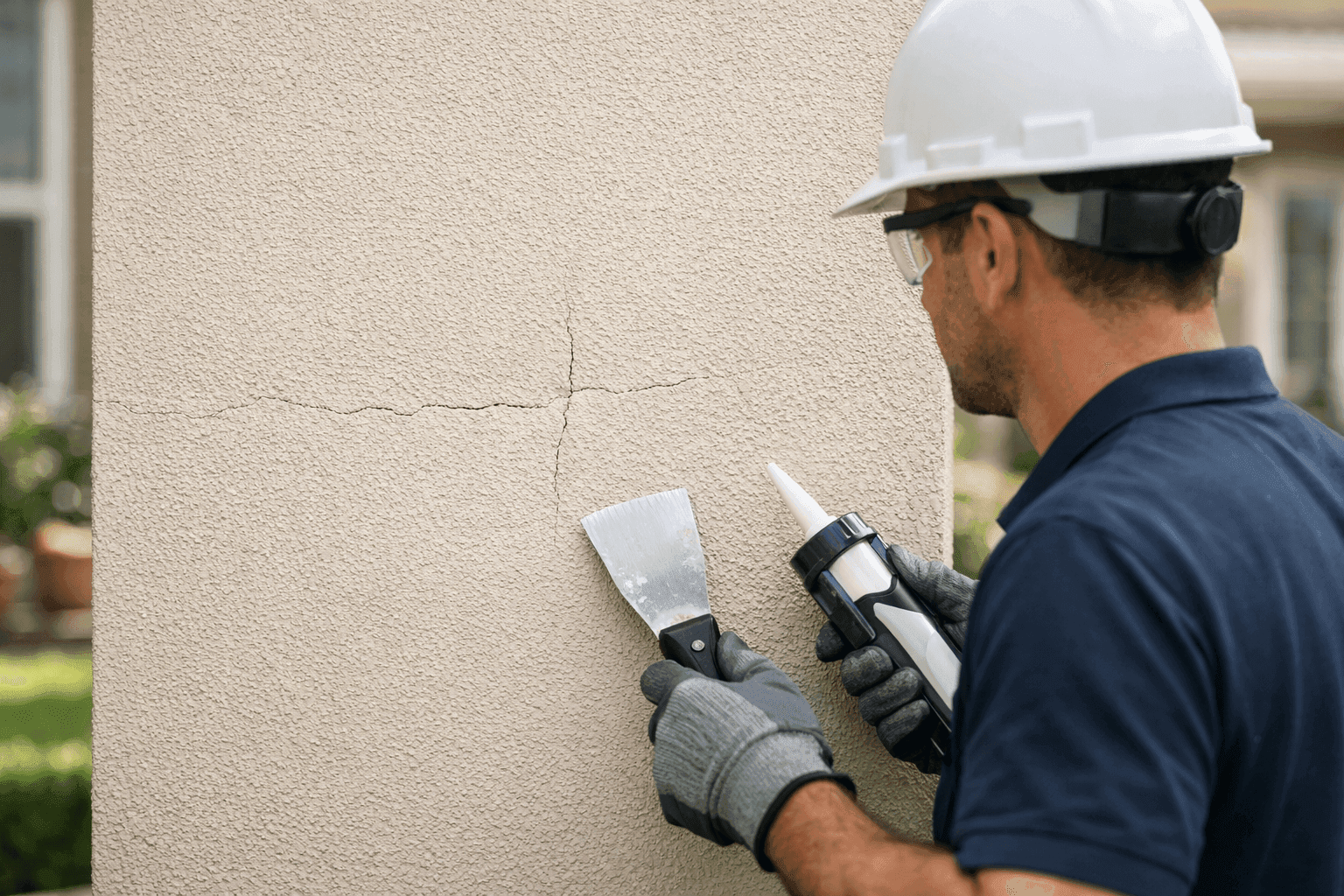
Is your stucco siding starting to show its age? Maybe there’s a hairline crack or a patch of discoloration staring back at you every time you walk up your driveway. You’re not alone, and you’re definitely not powerless. Keeping stucco strong and beautiful doesn’t have to be a mystery—or an endless repair bill.
At Schaefer Exteriors, we’ve guided countless homeowners through siding worries just like yours. With the right care and a few pro tips, you can keep your home protected, resilient, and looking its best for decades.
Why Stucco Siding Cracks Happen
Stucco is tough, but not invincible. Picture your home’s exterior like a cozy sweater—over time, with the push and pull of weather, even the best-knit fabric can snag or stretch. The most common causes of stucco cracks include:
- Foundation settling: As your house shifts, so does your siding.
- Temperature swings: Freeze-thaw cycles and hot summers make stucco expand and contract.
- Moisture intrusion: Water in the wrong place can weaken layers and cause cracks.
- Improper installation: Shortcuts during application set up problems for years to come.
Understanding these triggers is your first line of defense.
Spotting Early Warning Signs
Waiting for a giant crack to appear is like waiting for a leaky faucet to become a flood. Instead, keep your eyes peeled for:
- Thin, spidery “hairline” cracks
- Discoloration or staining, especially near windows and doors
- Bulges or areas that sound hollow when tapped
- Chipping or flaking patches
Catch these signals early and you’ll save yourself headaches (and money) down the road.
Safety First: Your Quick Stucco Inspection Checklist
Before you jump into cleaning or repairs, make sure you’re safe:
- Inspect from the ground—use binoculars for higher walls.
- Never climb ladders alone or in wet weather.
- Wear gloves and safety glasses when scraping or washing.
If you run across large cracks, widespread damage, or evidence of water leaking inside, pause and call a professional.
Cleaning Stucco the Right Way 🧽
Keeping your stucco clean is like brushing your teeth—it clears away buildup that can cause bigger problems. Here’s the safe, effective way to do it:
- Brush away loose dirt with a soft-bristle brush.
- Mix a gentle cleaning solution: Combine warm water and a dash of mild dish soap.
- Scrub gently in a circular motion; avoid wire brushes.
- Rinse with a garden hose—never use high-pressure washers, which can erode the surface.
- Let it dry thoroughly. Moisture trapped beneath the surface is a recipe for trouble.
For stubborn stains, specialty stucco cleaners are available—but always test in a hidden spot first.
Preventing Cracks Before They Start
An ounce of prevention is worth a pound of repairs. Here’s how to help your siding stand strong:
- Keep gutters and downspouts clear so water can’t pool around your foundation.
- Trim back plants and shrubs to allow airflow and reduce moisture.
- Check caulking and flashing yearly, especially around windows and doors.
- Schedule regular siding inspections with a reputable siding company.
Need help picking the right protection? Our Siding Color Consultation can help you choose finishes that stand up to local weather.
Basic Steps for Small Stucco Crack Repair
If you spot a hairline crack (less than 1/8 inch wide), you may be able to tackle a quick patch:
- Clean the area using the method above.
- Widen the crack slightly with a putty knife for better adhesion.
- Brush out dust and debris.
- Apply a high-quality acrylic caulk or stucco patching compound.
- Smooth the surface and let it dry per manufacturer instructions.
For larger cracks or deep damage, professional repair is safer and more effective.
When to Call a Professional
Some repairs are best left to trained hands. If you notice:
- Cracks wider than 1/8 inch
- Bulging or crumbling areas
- Signs of water damage inside the home
- Repeated issues in the same spot
It’s time to reach out. Pros use specialized tools to assess the underlying problem—often going beyond what the eye can see. At Schaefer Exteriors, we bring decades of experience to every stucco siding installation and repair.
What Happens During a Pro Siding Visit
Wondering what to expect? Here’s what a siding specialist will usually do:
- Conduct a thorough visual and tactile inspection
- Use moisture meters to check for hidden water
- Recommend tailored repair or replacement options
- Advise on long-term maintenance and weatherproofing
We follow guidelines from organizations like the International Code Council (ICC) to ensure your home is safe and up to code.
Seasonal Stucco Siding Care Tips 🌦️
Stucco faces its biggest tests during spring storms and icy winters. Here’s a quick guide for each season:
Spring/Summer:
- Inspect after heavy rains for fresh cracks.
- Wash off pollen, dirt, and mildew buildup.
- Re-caulk as needed.
Fall:
- Clear leaves and debris from gutters and around the foundation.
- Touch up paint and sealant before freezing temps arrive.
Winter:
- Watch for ice dams or snow piles near the base of walls.
- Avoid de-icing salts near stucco—these can cause pitting.
The Cost of Neglect: Why Timely Maintenance Matters
Delaying repairs is like ignoring a toothache. Small cracks widen, moisture creeps in, and before you know it, you’re facing major siding replacement expenses. Regular checkups and fast action can extend your stucco’s lifespan by 20 years or more.
Common Mistakes Homeowners Make
Even well-meaning DIYers can make pricey mistakes. Some of the biggest?
- Using power washers or harsh chemicals
- Overfilling cracks, which makes repairs stand out
- Ignoring small cracks until they become structural issues
When in doubt, ask a siding professional. It’s worth it for peace of mind.
How Long Does Stucco Repair Disrupt Your Routine?
Most minor repairs are finished in a day or two. Larger jobs may take a week, depending on weather and drying time. Pros will always work to minimize mess and disruption.
Materials and Tools You’ll Need
Thinking of tackling basic repairs? Stock up on:
- Soft brushes and mild cleaners
- Putty knives and caulking guns
- High-quality acrylic caulk or patch compound
- Safety gear (gloves, goggles)
- Drop cloths to protect landscaping
Frequently Asked Questions
Q: Can I paint over repaired stucco?
A: Yes, but let repairs cure completely first. Use high-quality, breathable exterior paint for best results.
Q: How often should I inspect my stucco siding?
A: Twice a year is a good rule—once in spring, once in fall. After major storms, check again.
Q: Does stucco require special cleaning products?
A: Not usually—mild soap and water works well for most dirt and stains.
Siding Maintenance Matters—Here’s How to Stay Ahead
Regular maintenance is the secret weapon against cracks and weather damage. For more details about maintaining stucco and other siding types, check out our Siding Maintenance service page.
If you’re looking for trusted siding specialists, our siding team is always ready to help.
Protect Your Home—Call Schaefer Exteriors Today
Don’t let a small crack become a big problem. The right siding care keeps your home beautiful, efficient, and protected for years to come.
Call Schaefer Exteriors now — or reach us anytime at 877-331-5875 .