How to Install New Gutters: A Step-by-Step Homeowner’s Guide
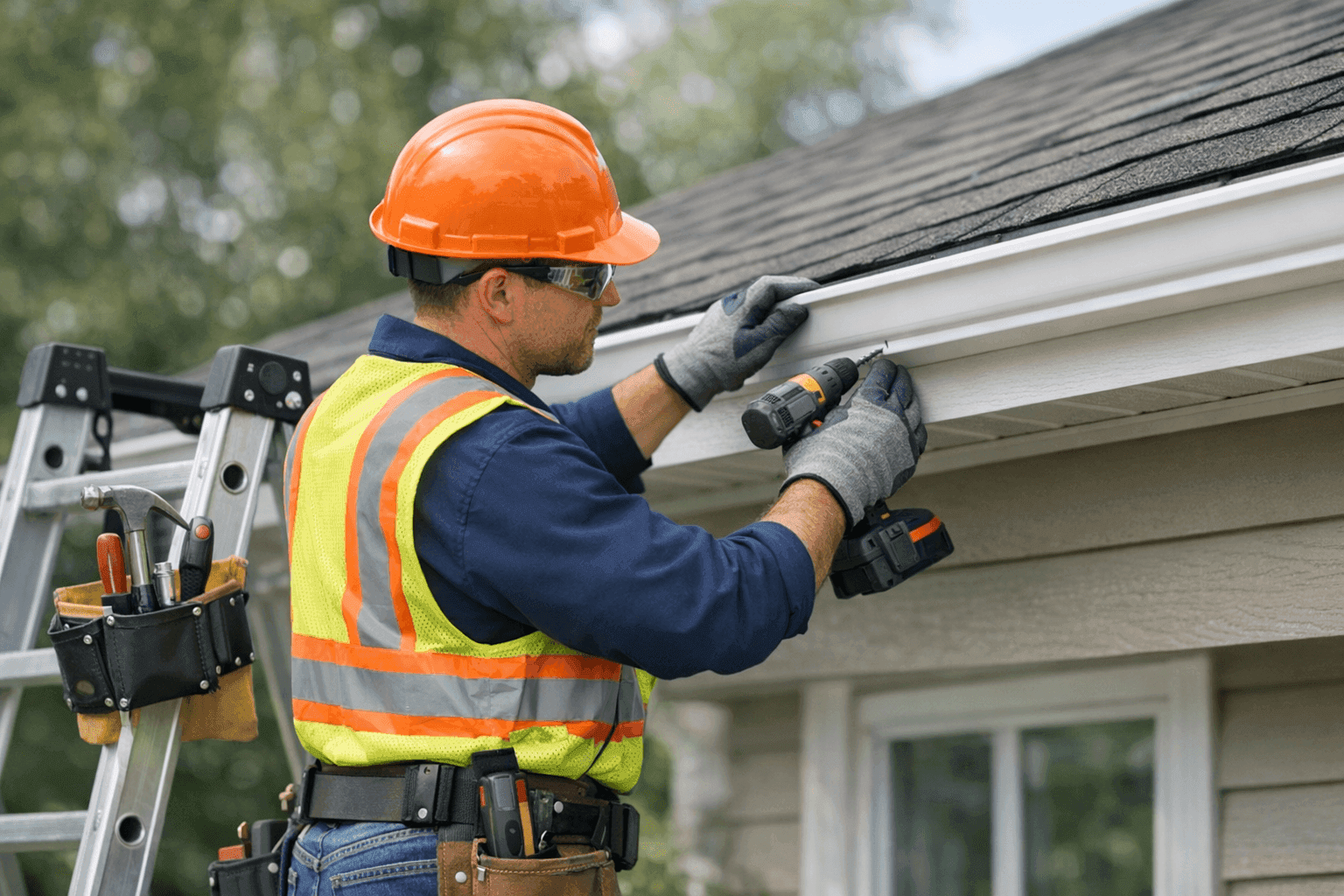
Keeping water away from your home’s foundation isn’t just smart. It’s essential. If you’ve ever found puddles forming by your basement wall or noticed siding starting to warp or rot, you already know. Gutters and siding are your home’s first line of defense against rain, sleet, and the wild swings of Midwest weather.
At Schaefer Exteriors, we’ve seen what happens when gutters fail—or when they’re installed with shortcuts. This guide breaks down each step of the gutter installation process. We’ll help you avoid the most common pitfalls and give your home the protection it deserves.
Choosing the Right Gutters for Your Home
Gutters are not one-size-fits-all. They’re more like shoes: the right fit and material matter. Here’s what you’ll need to weigh:
- Material: Aluminum is lightweight and won’t rust. Steel is tougher but heavier. Copper is beautiful and lasts for decades (if your budget allows). Vinyl is affordable but not as durable.
- Style: The classic K-style is common for most residential homes, but half-round gutters have their own charm and are easier to clean.
- Size: Most homes work well with 5-inch gutters, but if your roof is large or you’re in an area with heavy rainfall, consider stepping up to 6-inch.
- Color: Gutters should blend with your siding. This is where a [Siding Color Consultation near you] can make all the difference.
Check local building codes or the International Residential Code (IRC) for any unique requirements.
Preparation Steps: What to Do Before You Begin 🛠️
Before the first ladder is set, a little prep goes a long way.
- Inspect the Fascia: This is the board where gutters are attached. If it’s soft or rotting, replace it now.
- Gather Tools: You’ll need a sturdy ladder, measuring tape, chalk line, hacksaw, drill, gutter sealant, and safety gear (gloves, safety glasses).
- Check the Forecast: A dry day is best. Wet roofs and ladders are a recipe for trouble.
- Measure Twice: Run your tape along each roof edge. Don’t forget downspouts—one for every 30-40 feet.
Quick Safety Checklist Before You Climb
Gutter installation means heights. Respect the risk.
- Sturdy Ladder: Always use a ladder rated for your weight. Place it on solid, level ground.
- Spotter: If possible, have someone nearby.
- Protective Gear: Gloves shield your hands from sharp metal edges. Eye protection keeps debris away.
- Electrical Hazards: Watch for overhead wires. Never lean a ladder against a gutter or unstable surface.
- Weather Watch: Wind and rain make roof work dangerous. Wait for clear skies.
For more safety details, check OSHA’s ladder safety guidelines.
The Installation Process: Step by Step
Installing gutters is like building a rain highway. Water needs a clear, smooth path away from your house. Here’s how to do it right:
1. Snap a Chalk Line
Mark a gentle slope (1/4 inch drop for every 10 feet) from high point to downspout. This slope keeps water moving.
2. Attach Gutter Hangers
Install hangers every 24–36 inches, screwing into solid fascia—not just the siding.
3. Cut and Join the Gutter Sections
Use a hacksaw to trim gutters to size. Dry-fit sections before sealing. Apply gutter sealant at every joint.
4. Install End Caps and Outlets
Attach end caps with sealant. Cut holes for downspout outlets where water will exit.
5. Mount the Gutters
Lift gutters onto the hangers. Secure with screws. Double-check alignment—no sags or dips.
6. Add Downspouts
Connect elbows and attach downspouts to the wall with brackets. Make sure the bottom leads water at least 3 feet from your foundation.
7. Seal and Test
Apply extra sealant at seams. Run water through the system to check for leaks and proper drainage.
DIY or Call a Pro? Knowing Your Limits
Handy with tools? Installing gutters is doable for many homeowners. But if your roof is steep, two stories, or you have complex angles, calling in professionals can be a wise move. Schaefer Exteriors handles everything from gutter installation to storm damage repair.
Not sure if it’s a job for you? Ask yourself:
- Are you comfortable on a ladder for an hour or more?
- Is your fascia board in good shape?
- Do you have the right tools?
If you hesitate on any, don’t risk it.
Gutters, Siding, and Drainage: Why It All Matters
Gutters don’t work alone. They partner with your siding and trim to keep water from sneaking behind walls or pooling near your home. Improperly installed gutters can channel water behind siding, leading to hidden rot, peeling paint, and insulation problems.
Make sure gutters are tucked under drip edge flashing, not nailed through your siding. Downspouts should direct water away from foundation and siding.
For help integrating new gutters with your existing exterior, Schaefer Exteriors often recommends a quick Siding Inspection at the same time.
Common Mistakes to Avoid
Even a small slip-up can lead to headaches down the road. Watch for these pitfalls:
- Wrong Slope: Too flat, and water won’t drain. Too steep, and it rushes past downspouts.
- Loose Hangers: Gutter sag is a sign of missing or loose supports.
- Improper Downspout Placement: If water pools at your foundation, rethink your layout.
- Ignoring Sealant: Skipping sealant at joints leads to leaks.
- Not Checking for Level: Use a level with every section.
A little care now prevents major repairs later.
Maintenance After Install: Keep Gutters Flowing 🚿
Clean gutters are happy gutters. Leaves, twigs, and even errant tennis balls can cause clogs and overflows.
- Check Twice a Year: Spring and fall are best. Remove debris by hand or with a gutter scoop.
- Flush with Water: Use a hose to check flow. Watch for leaks or standing water.
- Inspect Siding and Fascia: After heavy storms, look for water stains or damage.
- Seal Small Leaks: A dab of gutter sealant works wonders.
- Trim Nearby Trees: Overhanging branches fill gutters fast.
Need help with stubborn clogs or leaks? Our gutter repair team is always ready.
Signs Your Gutters Need Attention
Watch for these red flags:
- Water spilling over the edge
- Sagging or detached gutters
- Peeling paint near roofline
- Pools of water near foundation
- Mold or mildew on siding
Spotting issues early keeps your home dry and safe.
Timeline and What to Expect
A straightforward gutter installation on a one-story home can take half a day. Two-story homes or complex layouts might stretch to a full day or more. Expect some noise, a bit of dust, and ladders moving around your yard.
If you’re scheduling other exterior work—like new siding or insulation—consider combining projects. It’s more efficient and can save time.
Emergency Situations: When to Act Fast
Heavy storms or fallen branches can rip gutters loose in minutes. If you see water pouring down in sheets or gutters hanging dangerously, it’s time for emergency repairs. Temporary fixes (like repositioning a loose gutter) can buy you time, but don’t wait too long for a permanent solution.
For urgent help, Schaefer Exteriors offers responsive emergency siding and gutter services.
Costs and Budgeting
Gutter installation costs depend on material, home size, and accessibility. Vinyl is cheapest; copper is most expensive. Most homeowners find aluminum offers the best balance of price and durability.
Don’t forget to budget for any necessary siding repair, especially if water damage is already present.
FAQs: Gutter Installation and Home Exteriors
Q: Can I reuse my old downspouts?
A: Sometimes, but new gutters often need new outlets and connections for a watertight fit.
Q: How do I choose the best gutter color?
A: Match or complement your siding. Our Siding Color Consultation near you can help visualize your options.
Q: Is gutter guard installation worth it?
A: For homes surrounded by trees, gutter guards can reduce maintenance but aren’t foolproof.
Seasonal Tips for Long-Lasting Gutters 🍂
- Spring: Check for winter damage and clear all debris.
- Summer: Inspect after heavy storms or wind.
- Fall: Remove leaves before the first freeze.
- Winter: Watch for ice dams. Clear snow from roof edges.
Proactive care can extend the life of your gutters and siding by years.
The Connection: Gutters and Siding Go Hand-in-Hand
Gutters and siding are like a raincoat and boots—each is good, but together, they’re unbeatable. A well-installed gutter system protects your siding, foundation, and landscaping. That’s why, when you’re looking for siding services or Gutter Repair in the Naperville area, it makes sense to work with a team that understands both.
When to Seek Professional Help
Sometimes, even the most determined homeowner needs a hand. If you have a multi-story home, need custom gutter solutions, or spot signs of siding damage, Schaefer Exteriors is here to help—from new construction to emergency repairs.
Want gutters that last—and siding that stays beautiful year after year?
Call Schaefer Exteriors now — or reach us anytime at 877-331-5875 .