How to Inspect Your Siding: A Homeowner’s DIY Checklist
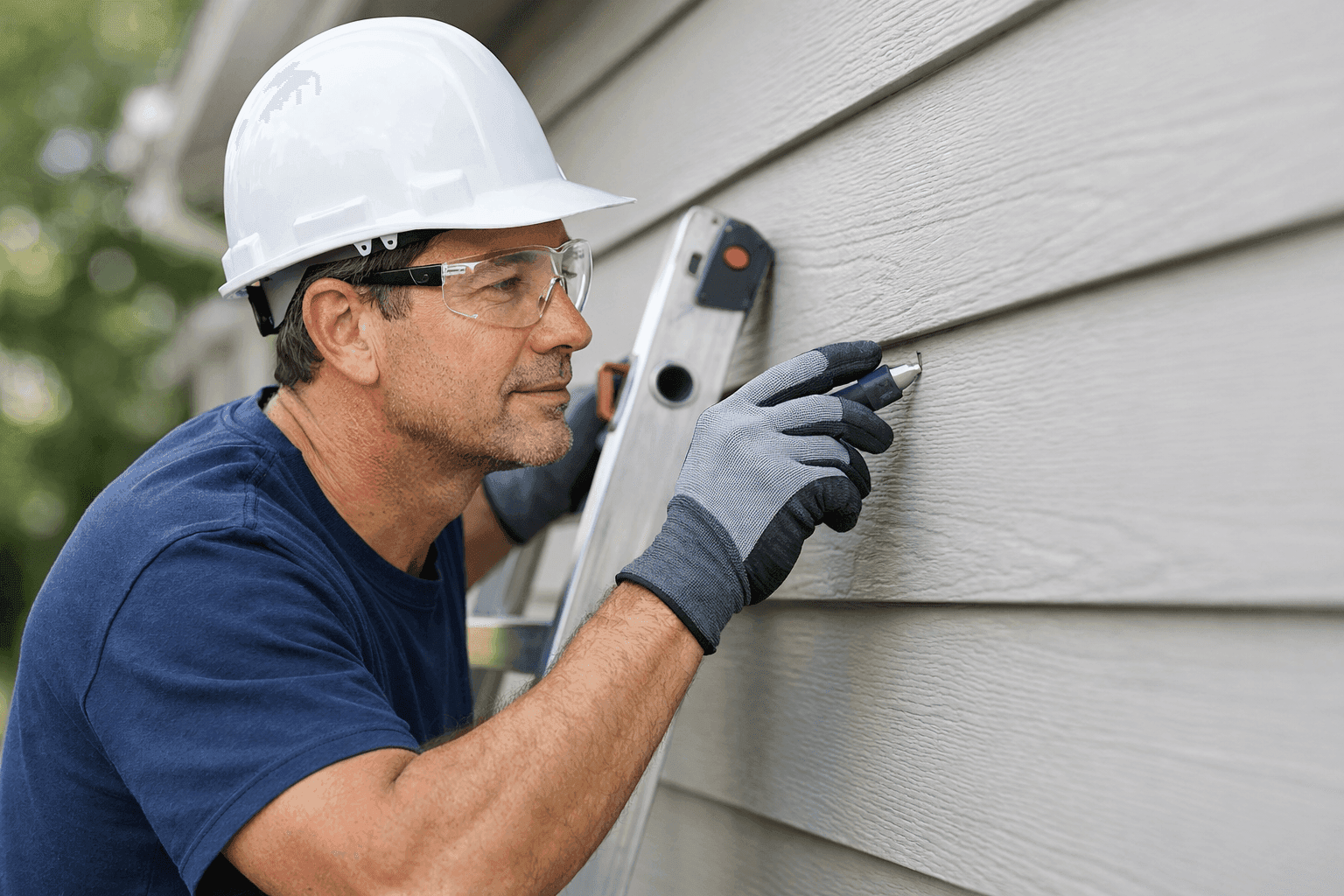
Is your siding trying to tell you something? Sometimes a whisper—like a faint crack. Sometimes a shout—a warped panel after a storm. Either way, waiting too long to listen can turn small headaches into large, expensive repairs.
At Schaefer Exteriors, we’ve seen how a little routine attention goes a long way. Whether you’re a new homeowner or a seasoned DIYer, this guide will walk you through inspecting your siding step by step—with practical tips and clear signs you shouldn’t ignore.
Why Regular Siding Inspections Matter
Think of siding as your home’s armor. It shields your walls from rain, wind, and wild temperature swings. Even the strongest armor needs a checkup now and then. Skipping inspections is like driving with your check-engine light on—small issues can snowball.
Quick Safety Checklist Before You Begin 🛠️
Safety first, always. Here’s what you’ll need:
- Sturdy ladder (inspect for damage before use)
- Work gloves
- Safety glasses
- Closed-toe shoes or boots
- A friend or family member to spot you, especially on tall ladders
- Flashlight for dark areas (under eaves or behind bushes)
- Notebook or phone to jot down what you see
Tip: The U.S. Consumer Product Safety Commission reminds us—ladders cause thousands of injuries each year. Place your ladder on level ground. Never overreach.
What to Look For: The DIY Siding Inspection Checklist
Print this, or keep it open on your phone. Walk slow. Pay attention to details. Here’s what to check:
1. Warping and Buckling
Panels should lie flat. If something looks wavy—like a piece of bacon on a skillet—you might have moisture trapped behind the siding, or improper installation. Warped areas often need professional evaluation.
2. Cracks and Holes
Scan for cracks, splits, or punctures—especially near corners, windows, and doors. Even small holes can let water sneak in, leading to big headaches later. Note their size and location.
3. Moisture Stains & Water Damage
Look for stains, soft spots, or bubbling paint. These can signal water intrusion. Press gently—if the area feels spongy, the underlying wood might be rotting.
4. Mold, Mildew, and Algae
Dark streaks or greenish patches? Mold and mildew love damp siding. Not only is this unsightly, but it can also affect your indoor air quality. Clean small patches, but call a pro if it keeps coming back.
5. Loose or Missing Panels
Wind, storms, or time can dislodge panels. Gently tug on suspect sections. If they move easily or gaps appear, water can get in. This is especially urgent after severe weather.
6. Caulking and Seals
Check caulking around windows, doors, and trim. If it’s cracked, peeling, or missing, moisture can sneak behind your siding. Re-caulk as needed, or ask about professional sealing.
7. Siding Color Fading or Unevenness
Faded or patchy color isn’t just a cosmetic issue—it can signal aging material or sun damage. If you’re considering an update, a Siding Color Consultation can help you pick materials that last.
8. Trim, Soffits, and Fascia Boards
Don’t overlook the edges. Inspect trim, soffits, and fascia boards for rot, pests, or gaps. These areas can be entry points for water and critters.
9. Siding Fasteners
Are nails or screws sticking out or rusting? Fastener issues can cause panels to come loose or allow water entry.
10. Gutters and Downspouts
Clogged or detached gutters can dump water onto your siding. Check for leaks, loose sections, or debris. This quick step can prevent major siding damage.
When Should You Call a Pro?
Some issues are easy to fix with a tube of caulk or a scrub brush. Others—like large warped panels, persistent mold, or widespread rot—are best left to siding specialists. If you notice:
- Soft, spongy areas
- Large or spreading cracks
- Multiple loose panels after a storm
- Signs of pests (holes, sawdust, nests)
- Repeated moisture issues despite repairs
…it’s time to call in the pros. At Schaefer Exteriors, our trained eyes catch what most homeowners miss. Our siding inspection and Siding Color Consultation services can help you get ahead of big repairs.
DIY vs. Professional Inspection: How They Differ
A homeowner’s inspection is like a daily walk-through—you’ll spot obvious changes, but some problems hide beneath the surface. Pros use moisture meters, thermal cameras, and decades of experience. We know what’s normal aging and what’s an urgent fix.
Common Mistakes Homeowners Make
- Ignoring small cracks (“It’s just a line…”)
- Skipping the shady side of the house
- Forgetting about trim, soffits, and fascia
- Using the wrong ladder or overreaching
- Not checking after storms
Avoid these pitfalls, and you’ll catch most issues early.
Seasonal Reminders: When to Inspect
- Spring: After winter’s freeze-thaw, look for warping or cracks.
- Summer: Check for fading, mold, or moisture after storms.
- Fall: Clear gutters and inspect before winter sets in.
- After major storms: Always inspect for loose panels and water intrusion.
Mark your calendar or set a phone reminder—consistency is key.
Recommended Tools and Materials
- Ladder (fiberglass or aluminum, not wood)
- Caulk and caulking gun
- Replacement fasteners
- Gentle siding cleaner and soft brush
- Gloves, eye protection, flashlight
Timeline and Disruption: What to Expect
A thorough DIY siding inspection usually takes 30–60 minutes for an average home. If you spot trouble, repairs might require more time—and sometimes professional scheduling. For larger repairs, expect some noise and brief disruption, but most jobs wrap up within a day or two.
What Pros Do On Arrival
When we visit, we:
- Examine siding with pro tools
- Check behind panels where possible
- Inspect insulation and underlayment (if accessible)
- Review trim, soffits, and gutters
- Advise on color matching and material upgrades, if needed
We also help you plan repairs that fit your timeline and budget.
Siding Issues That Need Emergency Attention 🚨
Some siding problems can’t wait:
- Large holes after a storm
- Panels torn off, exposing wood
- Serious leaks into your home’s walls
- Signs of major pest infestation
If you see these, call right away. Emergency siding services prevent further damage.
Prevention & Maintenance: Keep Siding Strong
- Clean siding annually with a hose and gentle brush
- Clear gutters every season
- Trim trees and shrubs back from walls
- Touch up paint and caulking as needed
- Schedule a professional inspection every few years
A little care keeps your siding—and your investment—protected.
Frequently Asked Questions
How often should I inspect my siding?
Twice a year is a good rule of thumb—once in spring, once in fall, and after major storms.
Can I repair small cracks myself?
You can seal hairline cracks with exterior caulk if you’re comfortable, but larger damage needs a pro.
Does faded siding mean it’s time to replace?
Not always. Sometimes a fresh coat of paint or a Siding Color Consultation can revive your home’s look.
What about eco-friendly siding options?
There are many durable, sustainable materials—ask us about them during your next inspection.
Local Support: Siding Services in Lincoln
If you’re searching for reliable siding services, our team at Schaefer Exteriors is ready to help—whether it’s a color update, repair, or full replacement. We know siding inside and out.
The Printable Siding Inspection Checklist
- Check for warping and buckling
- Look for cracks and holes
- Inspect for moisture stains and water damage
- Spot mold, mildew, or algae
- Test for loose or missing panels
- Review caulking and seals
- Examine siding color and fading
- Check trim, soffits, and fascia
- Inspect fasteners
- Look at gutters and downspouts
Walk through this list every season. It’s your best defense against costly surprises.
Caring for your siding doesn’t have to be complicated—or overwhelming. A little attention now can save you money and stress down the road. Have questions or notice something that doesn’t look right?
Call Schaefer Exteriors now — or reach us anytime at 877-331-5875 .