How to Identify and Treat Mold on Siding
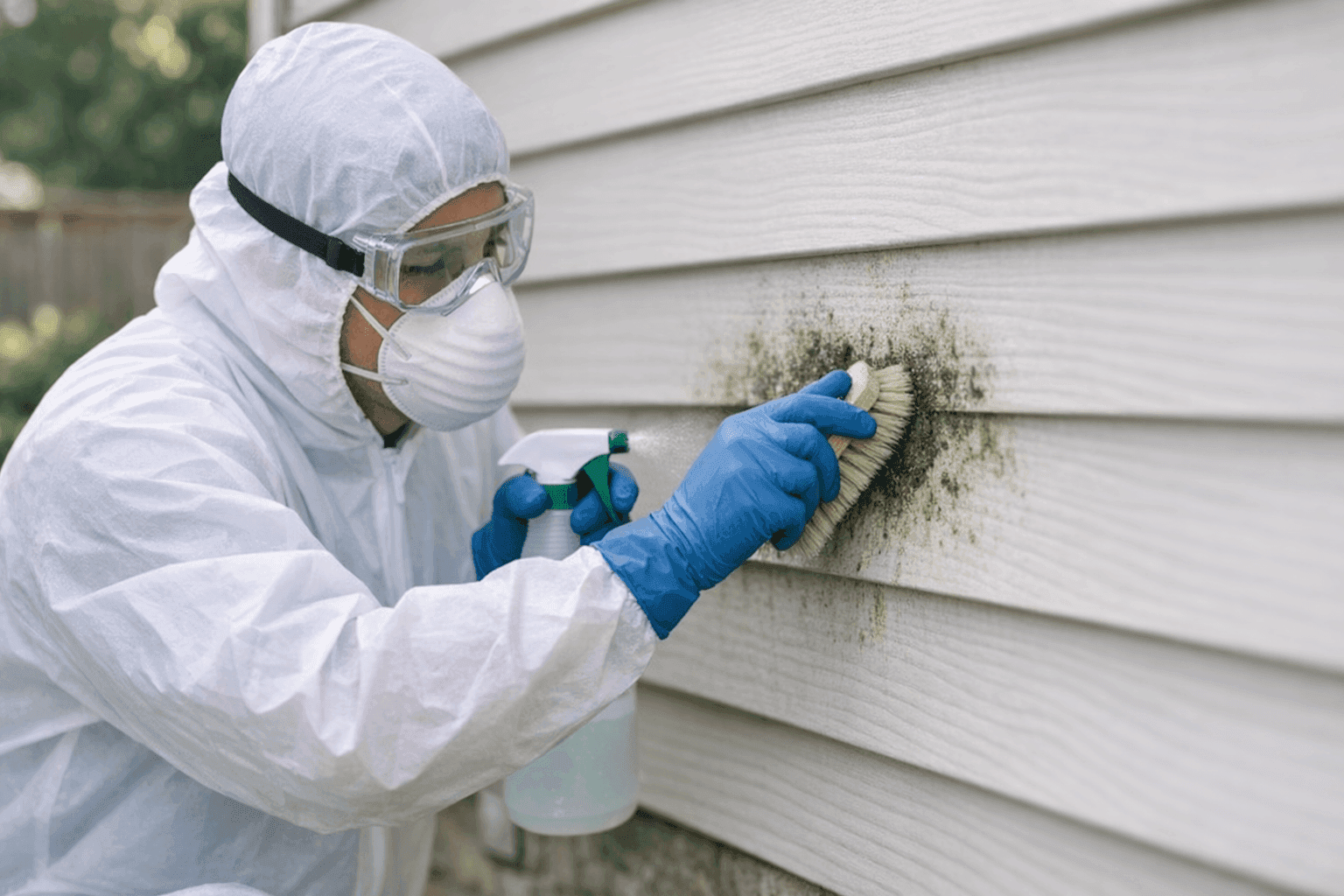
Is your home’s siding looking a little green—or even black—in places? You’re not alone. Mold on siding is a common headache for homeowners, especially after a wet season or a humid summer. The good news: you can take action to protect your home and your family’s health.
At Schaefer Exteriors, we care about more than just curb appeal. We want your home to be safe, resilient, and looking its best year-round. Mold isn’t just unsightly—it can lead to bigger problems if left unchecked.
Why Mold Grows on Siding
Mold is a bit like that uninvited guest who never wants to leave. It thrives where there’s moisture, warmth, and a bit of shade. Siding—especially on the north or shaded sides of your home—can become a favorite spot if the conditions are right.
- Rainwater that doesn’t drain properly
- Leaky gutters or downspouts
- Overgrown bushes trapping moisture
- Poor ventilation behind the siding
Mold’s spores float everywhere, but they only settle down when they find that perfect, damp landing pad.
What Mold Looks Like on Siding
Mold doesn’t always shout for attention. Sometimes it whispers—showing up as faint streaks, small dark spots, or powdery patches. Other times, it’s bold: thick, green-black colonies that seem to grow overnight.
Here’s what to watch for:
- Green, black, or even brown splotches
- Streaks running down siding panels
- Slippery texture when you touch the surface (don’t do this barehanded)
- Musty, earthy smell near the wall
Mold can easily be mistaken for algae or dirt. If you’re unsure, try wiping a small area with diluted vinegar. Mold will smear or transfer onto your cloth—dirt usually will not.
How Mold Spreads on Siding
Think of mold like dandelion seeds on a spring breeze. All it takes is a few spores and the right conditions. Mold spreads fastest when:
- There’s trapped moisture (from clogged gutters or poor flashing)
- Siding is shaded by trees or structures
- Air circulation is poor
- Siding material stays damp for long periods
Once mold has a foothold, it can creep into cracks, seams, and even behind panels. Some siding types are more vulnerable—wood holds moisture longer than vinyl or fiber cement.
Quick Safety Checklist Before You Begin 🧤
Before tackling mold on siding, protect yourself:
- Wear gloves (rubber or nitrile)—never touch mold with bare hands
- Use a mask (N95 is best) to avoid inhaling spores
- Eye protection: mold can irritate your eyes
- Keep pets and kids away while cleaning
- Test cleaning solutions on a small, hidden spot first
For large or persistent problems—or if anyone in your home has allergies or breathing issues—consider calling a professional.
Safe Cleaning Techniques for Different Siding Materials
No two homes are alike. The safest way to clean mold depends on what your siding is made of. Here’s how to approach the job for common types:
Vinyl Siding
- Mix: 1 part white vinegar to 3 parts water (or use a mild siding cleaner)
- Scrub gently with a soft-bristle brush
- Rinse with a garden hose—never use a pressure washer up close, as it can force water behind the panels
Fiber Cement Siding
- Use a solution of warm water and dish soap
- Avoid anything abrasive or acidic (no bleach on colored siding)
- Rinse thoroughly; standing water can damage fiber cement over time
Wood Siding
- Use oxygenated bleach (never chlorine bleach—it can damage wood fibers)
- Scrub along the grain to avoid splintering
- Rinse lightly and let dry completely
Metal Siding
- Mild soap and water work best
- Avoid steel wool or harsh pads—these can scratch and invite rust
Stucco Siding
- Use a soft brush and a diluted vinegar solution
- Gently scrub; never use high pressure, which can crack stucco
Always read your siding manufacturer’s guidelines, and check the Environmental Protection Agency (EPA) recommendations for mold cleanup.
DIY or Call a Pro? Knowing Your Limits
Small patches of mold—less than 10 square feet—are usually safe to tackle yourself, if you take precautions. But some situations call for help:
- Mold covers a large area
- Mold keeps returning, even after cleaning
- Siding is damaged or soft to the touch
- You see mold inside your home, or near windows and doors
At Schaefer Exteriors, our siding-cleaning service is designed for situations that go beyond a simple scrub. Severe mold may require specialized cleaning, repairs, or even inspection of what’s happening underneath the siding.
What the Pros Do When They Arrive
Professional teams like ours start with a thorough inspection. We look for:
- The source of moisture (leaky gutters, poor drainage, gaps in siding)
- The type of mold and how far it’s spread
- Any damage to the siding or underlying structure
Next, pros use commercial-grade cleaners and safe techniques to remove mold without harming your siding. In some cases, we’ll recommend repairs, caulking, or even siding replacement if things are too far gone.
Prevention: Keeping Mold Away for Good 🌤️
An ounce of prevention is worth a pound of scrubbing. Here’s how to keep mold from making a comeback:
- Trim trees and shrubs to let siding dry out
- Clean gutters and downspouts every season
- Ensure proper slope and drainage away from your home
- Install or repair flashing as needed
- Schedule regular siding maintenance checks
Good ventilation behind and around your siding is like a breath of fresh air for your house.
Mold on Siding: Signs You Shouldn’t Ignore
Some warning signs mean it’s time to act fast:
- Siding feels spongy, warped, or soft
- You notice mold on inside walls, too
- Windows or doors are sticking (a sign of swelling)
- There’s a persistent, musty smell even after cleaning
Don’t wait—mold can lead to rot, structural damage, and even health problems.
Health and Safety: Why Mold Is More Than Cosmetic
Mold releases spores that can trigger allergies, asthma, and other respiratory problems. The Centers for Disease Control and Prevention (CDC) warns that mold can cause coughing, eye irritation, and more serious issues for people with weakened immune systems.
Young children, elderly residents, and anyone with breathing problems are especially at risk. That’s why safe cleaning—and prompt action—really matters.
Common Mistakes Homeowners Make
Even the best DIYers can slip up. Here’s what to avoid:
- Using harsh chemicals not meant for siding
- Power washing too close—forcing water behind the panels
- Ignoring mold “just because it’s outside”
- Painting over mold without cleaning first (it will grow right through)
Stick to proven, gentle methods and read all product labels.
When Is Mold on Siding an Emergency?
Act quickly if:
- Mold is spreading rapidly
- Your home’s structural wood is exposed or damaged
- You have a leaky roof, soffit, or fascia
- Anyone in your home is experiencing unexplained health symptoms
In these cases, emergency siding services are the safest bet.
Timeline and Disruption: How Long Will This Take?
Most small mold cleaning jobs take a few hours. Larger infestations or repairs may stretch into a day or two. Professional teams work quickly and safely—minimizing disruption to your daily life.
If you need to replace sections of siding, expect a bit more time. But fast action usually means less hassle and lower costs in the long run.
Costs and What to Expect
DIY cleaning costs are usually limited to supplies: brushes, gloves, masks, and cleaning solutions. If you call a pro, costs depend on:
- The size of the area affected
- The type of siding
- Whether repairs or replacements are needed
Prevention and regular siding maintenance are always more affordable than major repairs down the line.
Seasonal Considerations: When Mold Loves to Grow 🌱
Mold loves damp, shady spots—so spring and fall are prime times for growth. After heavy rains or snow melt, check your siding for any signs of trouble. Dry, sunny days are best for cleaning.
FAQs About Mold on Siding
Q: Will mold come back after I clean it?
A: If the underlying moisture problem isn’t fixed, mold can return. That’s why prevention and maintenance are key.
Q: Is it safe to use bleach?
A: Bleach can be harsh and may damage some siding types. For wood, use oxygenated bleach; for vinyl or fiber cement, stick to milder solutions.
Q: Can mold on siding affect indoor air quality?
A: Yes—if mold penetrates through the walls or if spores enter open windows and vents.
Q: Who should I call if I’m not sure what to do?
A: Reach out to Schaefer Exteriors. Our siding specialists are ready to help.
Your Next Steps: Keep Mold Off Your Siding
Mold on siding is a challenge, but it’s one you can manage with the right approach. Inspect your siding often. Clean away small patches promptly. And when in doubt, call in the professionals.
If you live nearby and are searching for reliable siding services in Cheyenne, Schaefer Exteriors is your local choice for safe, thorough siding care.
Call Schaefer Exteriors now — or reach us anytime at 877-331-5875 .