How to Customize Siding for Modern and Traditional Homes
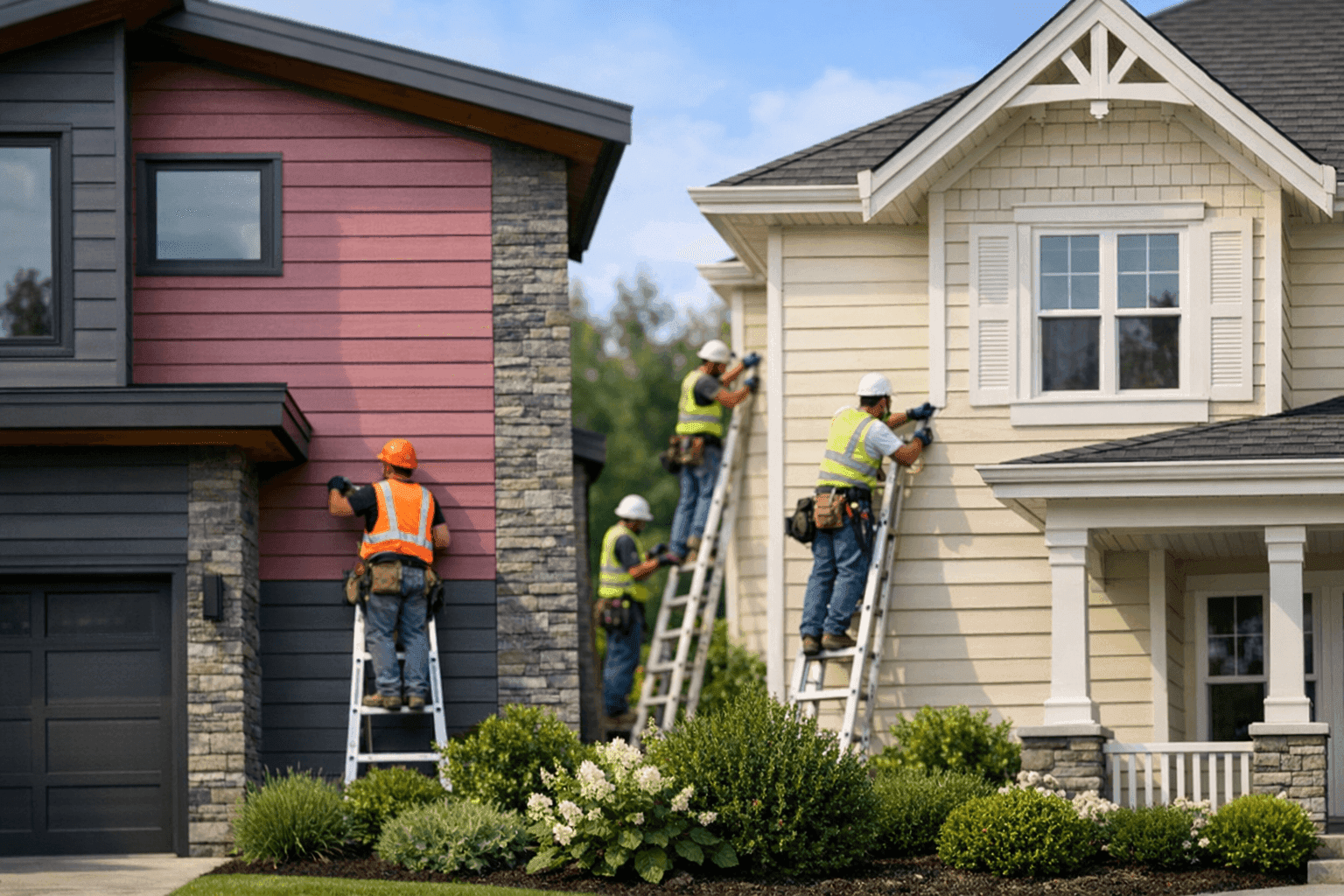
Your home's exterior is more than a shell. It's the first impression, the handshake, and in many ways, the story your house tells the world. Whether you're dreaming in cutting-edge lines or classic charm, customizing your siding is the key to creating a look that truly fits your style.
At Schaefer Exteriors, we've worked with countless homeowners to help them blend textures, colors, and finishes into something that feels just right. If you’re considering new siding or a design refresh, read on—we’ll walk you through what works, what lasts, and how to make your home stand out for all the right reasons.
Why Custom Siding Sets Your Home Apart
Think of siding like the clothes your home wears. Off-the-rack works, but a tailored outfit? That’s unforgettable. Custom siding gives you the tools to highlight what makes your home unique—whether it’s a modern masterpiece or a timeless classic.
- Boost curb appeal instantly
- Increase property value
- Improve energy efficiency
- Express your personal taste
A professional Siding Color Consultation near you can help narrow down choices and avoid costly mistakes.
Modern Homes: Bold Moves and Mixed Materials
Modern homes crave drama. Clean lines, sharp contrast, and unexpected material combos are the name of the game.
- Mixed Materials: Combine fiber cement, metal, and wood siding for visual depth. Fiber cement panels paired with horizontal wood accents break up large surfaces and add warmth.
- Bold Colors: Think deep charcoals, crisp whites, and even jet black. These hues create contrast and pair well with minimalist architecture.
- Geometric Patterns: Staggered vertical siding or wide panels emphasize the home’s structure and draw the eye.
Tip: For a truly modern look, keep trim sleek—metal or color-matched fiber cement works best.
Traditional Homes: Classic Profiles and Soft Hues
Traditional homes wear their history with pride. Here, classic siding profiles and time-tested color schemes shine.
- Lap Siding: The familiar overlapping boards—especially in wood or high-quality vinyl—never go out of style.
- Subtle Colors: Warm creams, gentle grays, and historical blues or greens help traditional homes blend with their surroundings.
- Decorative Trim: Crown molding, window surrounds, and corner boards in crisp white complete the look.
A quick Siding Color Consultation can help match new siding to existing features like brick or stone.
Blending Materials: The Art of Contrast
Mixing materials is like layering textures in a room—it keeps things interesting. For both modern and traditional homes, consider:
- Stone or brick bases with fiber cement or wood above
- Vertical siding on gables, with horizontal lap on main walls
- Metal accents at entryways or rooflines
Pro tip: Stick to two or three materials to avoid visual chaos.
Accent Features: Small Changes, Big Impact
Sometimes, less is more. Accent features can transform a bland exterior into something memorable.
- Board-and-batten sections on a porch or bump-out
- Contrasting trim around windows and doors
- Decorative shingles in gables or dormers
These touches break up large surfaces and add personality.
Choosing Colors for Maximum Appeal 🎨
Color choices can make or break your design. Here’s how to pick wisely:
- Modern: Strong contrast works best—pair dark siding with bright trim, or vice versa.
- Traditional: Stick with harmonious palettes; muted or earth-inspired hues feel timeless.
- Regional Weather: Light colors resist fading in sunny climates, while darker shades can make a home look cozier in colder regions.
Always sample paint or siding swatches in full daylight before making a decision.
Siding for Energy Efficiency and Comfort
Beyond looks, siding plays a huge role in energy efficiency. Well-chosen materials and proper installation keep your home comfortable year-round.
- Insulated siding provides extra thermal resistance
- Quality caulking and sealing prevent drafts
- Proper ventilation reduces moisture buildup
Refer to the U.S. Department of Energy’s guides for more on energy-smart siding solutions.
Maintenance: Keeping Your Custom Siding Beautiful
Custom doesn’t mean high-maintenance. Many modern materials are designed to last with minimal upkeep.
- Wash siding annually to remove dirt or mildew
- Inspect caulking, trim, and fasteners each season
- Repaint or reseal wood siding every few years
Regular siding maintenance helps preserve your home’s beauty and value.
Safety and Building Codes: What You Need to Know
Siding isn’t just about looks. Building codes and safety standards matter, too.
- Use fire-rated siding materials where required (check NFPA guidelines)
- Ensure flashing and weatherproofing meet local code
- Hire trained professionals for installation—incorrect techniques can void warranties
When in doubt, ask your siding contractor for references to the International Residential Code (IRC) for your area.
Costs, Timing, and Planning Ahead
Custom siding is an investment. The cost can vary based on material, home size, and complexity of the design.
- Material costs: Fiber cement and metal are pricier than vinyl, but more durable
- Labor: Intricate patterns or multi-material blends take longer to install
- Timeline: Most projects take 1–2 weeks, weather permitting
Plan your project for spring or fall—mild weather means faster, smoother installs.
DIY or Call a Pro? When to Get Help
Some jobs are best left to pros, especially when it comes to custom work.
- Multi-story homes
- Structural repairs
- Blending new siding with older materials
For smaller jobs—like painting trim or adding accent panels—DIY can be rewarding. Just be sure to follow manufacturer safety instructions and use the right tools.
Signs Your Home Needs a Siding Update
Not sure if your current siding qualifies for a makeover? Look for:
- Warped or cracked boards
- Persistent mildew or moisture problems
- Faded or peeling paint
- Higher-than-average energy bills
A professional siding inspection can spot issues before they turn costly.
Avoiding Common Mistakes
Custom siding is all about details. Here’s what to avoid:
- Choosing trendy colors without considering resale value
- Mixing too many materials or patterns
- Ignoring local climate and code requirements
When in doubt, lean toward timeless design choices—they age gracefully.
Seasonal Considerations: Plan for Weather
Siding takes the brunt of every season. Keep these tips in mind:
- Winter: Proper weatherproofing prevents ice dams and leaks
- Spring: Inspect for storm damage and clean surfaces
- Summer: UV-resistant materials stay vibrant longer
- Fall: Clear gutters and check for moisture at seams
Regular upkeep means your custom design stays picture-perfect all year.
FAQ: Custom Siding for Every Home
Q: Can I mix vinyl and fiber cement siding?
A: Yes, with careful planning and matching profiles, you can blend materials for a unique look.
Q: How do I pick trim colors?
A: Contrast creates drama; matching colors feels classic. Try samples in natural light to see what feels right.
Q: Is custom siding worth the cost?
A: For most homeowners, the boost in curb appeal and durability pays off over time.
Your Next Step: Create a Tailored Look
Custom siding is your chance to tell your home’s story—loud and proud, or quietly refined. From bold modern lines to classic details, it’s all about making your house truly yours.
If you’re ready to start planning, Schaefer Exteriors brings years of design knowledge and craftsmanship to every project. For those in the area, our siding specialists in Columbia can help create a tailored solution for your home.
Call Schaefer Exteriors now — or reach us anytime at 877-331-5875 .