How to Clean Your Siding Safely: Methods for Every Material
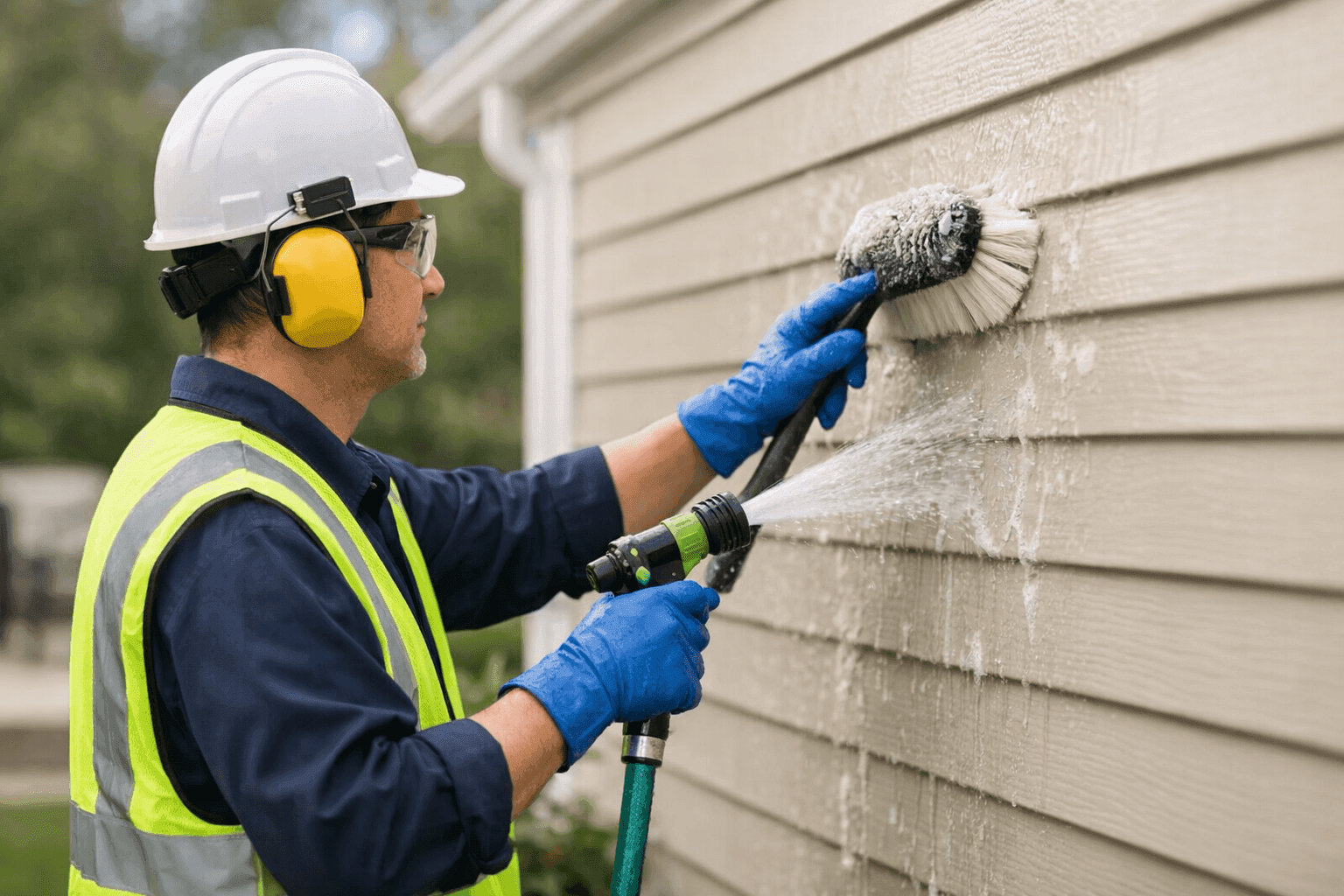
Keeping your home’s siding clean isn’t just about curb appeal. Mold, mildew, and grime can sneak in, causing lasting damage if left unchecked. At Schaefer Exteriors, we understand how overwhelming exterior care can feel. But with the right guidance, keeping your siding fresh and protected is easier—and safer—than you might think.
Whether you’re tackling a quick spring cleaning or reviving siding after a storm, knowing which methods work for each material is key. We’ve helped thousands of homeowners like you protect their investment, and we’re here to share what really works.
Why Clean Siding Matters
Your siding is the armor that shields your home from the elements. Dirt, algae, and pollutants aren’t just ugly—they can eat away at finishes and even invite pests. A little care now can save you big headaches later. Plus, regular cleaning keeps colors looking sharp, which can make a world of difference if you’re considering a Siding Color Consultation.
Safety First: Your Quick Checklist 🦺
Before you break out the hose or bucket, pause and prep. Safety isn’t just a box to check—it’s the foundation of every project. Here’s what you’ll need:
- Sturdy ladder: Make sure it’s level and secure.
- Non-slip shoes: Wet grass and decks get slick fast.
- Protective glasses: Cleaning solutions and debris can splash.
- Gloves: Protect from chemicals and sharp edges.
- No loose clothing: Avoid anything that could snag.
If you’re working above the first story, or if you have any doubts about safety, don’t risk it—consider calling in a professional.
Know Your Siding: What Type Are You Cleaning?
Not all siding is created equal. Each type—vinyl, fiber cement, wood, or stucco—reacts differently to moisture, pressure, and cleaners. Using the wrong method can do more harm than good. Let’s break it down.
Vinyl Siding: Simple, But Sensitive
Vinyl siding is a workhorse—tough, affordable, and easy to maintain. But it can crack under too much pressure.
Best cleaning method:
- Use a garden hose with a soft-bristled brush.
- Mix mild dish soap with warm water (avoid bleach unless you’re fighting mold).
- Start at the bottom and work up in sections to avoid streaks.
What to avoid:
Power washers set too high can force water behind panels, leading to hidden mold. Stick to soft washing unless you’re experienced.
Mold & algae tip:
White vinegar diluted with water works wonders on green stains. For stubborn spots, try a solution of one part bleach to ten parts water—always rinse thoroughly.
Fiber Cement Siding: Tough, But Needs TLC
Fiber cement siding stands up to weather but hates harsh chemicals.
Best cleaning method:
- Soft cloth or brush with mild detergent.
- Rinse with a low-pressure hose.
- Avoid wire brushes or anything abrasive.
What to avoid:
Never use power washing at close range—fiber cement can chip or crack.
Mold & algae tip:
Oxygenated bleach (like OxiClean) is safer than standard bleach. Always spot-test in a hidden area first.
Wood Siding: Beautiful, But High-Maintenance
Wood siding brings natural charm, but moisture is its enemy.
Best cleaning method:
- Use a mild wood cleaner or a mix of vinegar and water.
- Soft sponge or brush—work with the grain.
- Rinse gently with a garden hose.
What to avoid:
Power washing can splinter wood or drive water into cracks, causing rot.
Mold & algae tip:
Borax mixed with water can help kill spores without damaging the wood. Dry thoroughly.
Stucco Siding: Textured, Tricky, and Worth It
Stucco’s rough surface grabs dirt and mildew. But it’s easy to damage.
Best cleaning method:
- Use a garden hose and a soft brush.
- For stains, mix mild detergent in warm water.
- For deeper stains, diluted bleach (one part bleach to five parts water), but rinse well.
What to avoid:
Never use high-pressure washing. Cracks and chips are easy to create and hard to fix.
Mold & algae tip:
Try hydrogen peroxide spray; it’s less harsh than bleach and safe for stucco texture.
Soft Washing vs. Power Washing: Which Is Safer?
Think of soft washing as giving your siding a gentle bath. Power washing is more like a firehose at full blast. Unless your siding is metal or concrete, soft washing is almost always safer for residential homes. For most siding, a garden hose and the right cleaner will get the job done without the risk of forcing water behind panels or damaging finishes.
When to use power washing:
- Large, flat surfaces (like commercial metal siding).
- Only with professional equipment and experience.
Soft washing is best for:
- Residential vinyl, wood, fiber cement, and stucco.
Mold and Algae: How to Remove (and Prevent) the Green Stuff
Nothing ruins the look of your home faster than streaks of green or black. Mold and algae thrive in shady, damp areas—especially on north-facing walls.
Removal steps:
- Scrub gently with a soft brush and appropriate cleaning solution for your siding type.
- Rinse thoroughly and let dry.
Prevention tips:
- Trim shrubs and trees to improve airflow.
- Check gutters for leaks that cause dampness.
- Schedule regular siding inspections to catch issues early.
Common Cleaning Mistakes to Avoid
Even well-meaning homeowners can slip up. Here’s what to watch out for:
- Using harsh chemicals (they can strip color or damage finishes)
- Overusing power washers
- Ignoring safety (ladder accidents are more common than you think)
- Skipping the rinse (leftover cleaner attracts dirt)
- Cleaning in direct sunlight (can leave streaks or spots)
When Should You Call a Professional?
Sometimes, DIY isn’t the answer. If your siding is more than one story up, has stubborn stains that won’t budge, or you spot damage (like warping, cracks, or separation), it’s best to bring in a pro. Mold that keeps coming back may mean a deeper problem.
Professionals use specialized equipment, trained techniques, and safe cleaners that protect your home and landscaping. At Schaefer Exteriors, our team not only cleans, but can inspect for underlying issues—saving you trouble down the road.
How Pros Tackle A Cleaning Job
When professionals arrive, they start with a thorough inspection. They identify your siding type, check for damage, and select the safest cleaning method. Licensed teams follow safety standards from the Occupational Safety and Health Administration (OSHA) and use EPA-approved cleaning agents when needed.
The process is quick, efficient, and designed to leave your exterior spotless—without risking harm to your siding or your family.
What Equipment Do You Need?
Here’s your basic toolkit for safe siding cleaning:
- Soft-bristle brush or sponge
- Garden hose with spray nozzle
- Mild detergent or specialty siding cleaner
- Protective gloves and goggles
- Sturdy ladder (for single-story homes)
- Bucket and rags
Optional: A soft-wash system for larger homes.
How Often Should Siding Be Cleaned?
A good rule of thumb: Wash your siding once a year. If you live in a humid or rainy climate, or have lots of shade, you may need to clean more often. After storms or if you notice stains, spot-clean as needed.
Siding Cleaning and Maintenance: Prevention Is Powerful
Regular cleaning prevents costly repairs. But maintenance goes further—look for peeling paint, cracked caulk, loose panels, or signs of water damage as you clean.
If you spot trouble, schedule a professional Siding Color Consultation to discuss options for repair or refresh. And if you’re in the area, our siding specialists can help with everything from inspections to full replacements.
FAQ: Your Siding Cleaning Questions Answered
Q: Can I use bleach on all siding?
A: No—bleach can discolor or damage some materials. Always check manufacturer recommendations.
Q: Is it okay to clean siding in cold weather?
A: It’s best to wait for mild temperatures above freezing to prevent cracking or slipping.
Q: What if I see insects or nests?
A: Wear gloves, and use a long-handled brush—never reach blindly. If you’re unsure, call a professional.
The Final Word: Clean Siding, Happy Home
A sparkling exterior isn’t just for looks—it’s a layer of protection for your biggest investment. With the right tools, safe cleaners, and a little know-how, you can keep your siding strong and beautiful for years to come.
Call Schaefer Exteriors now — or reach us anytime at 877-331-5875 .