How to Clean Siding: Safe Techniques for Every Material
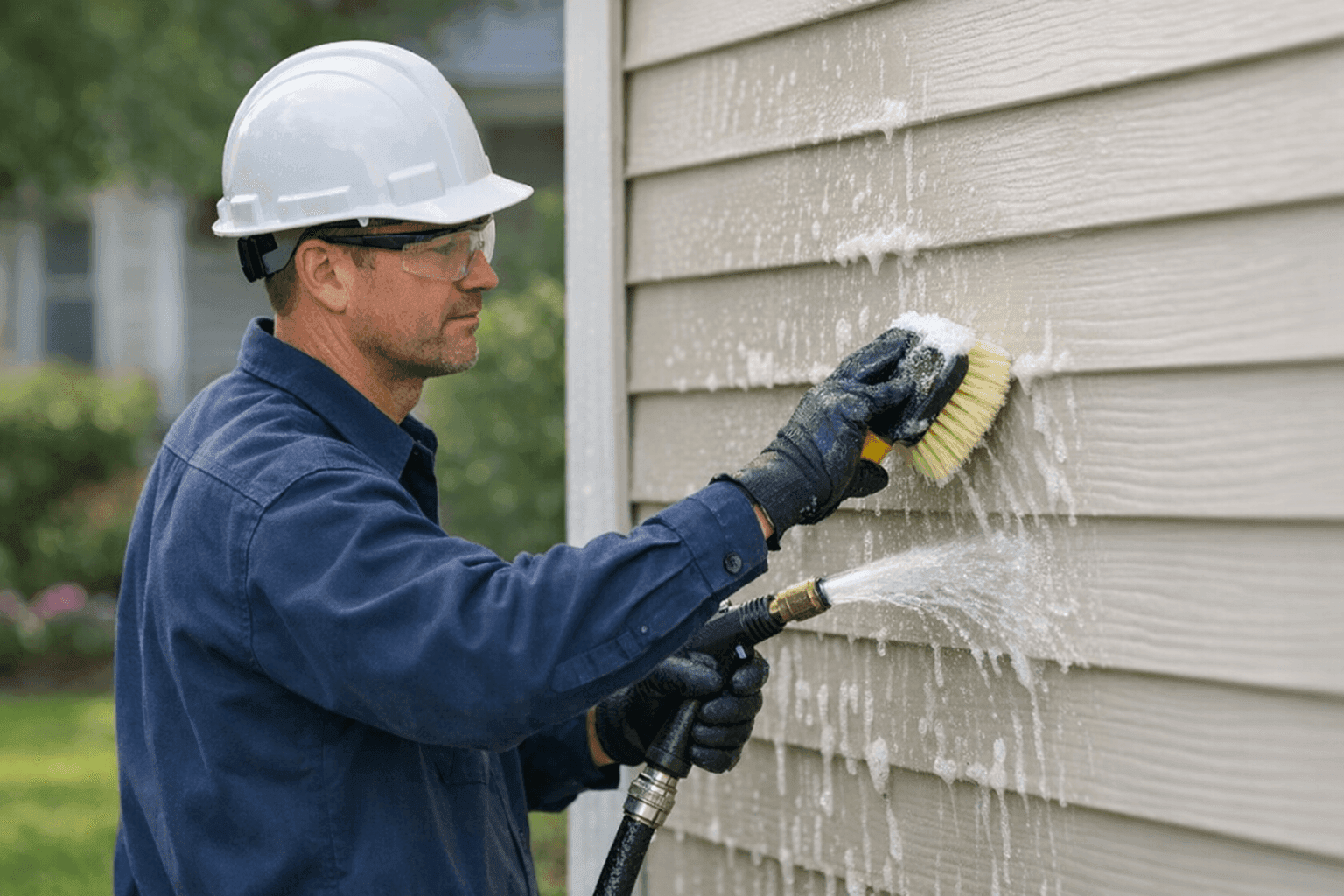
Keeping your home’s siding clean isn’t just about curb appeal. It’s about protecting your investment, your family’s health, and your peace of mind. Dirt, mildew, and weather can turn even the finest siding dull and worn—sometimes before you even notice.
At Schaefer Exteriors, we know the right way to clean every siding material. We’re here to guide you with safe, practical techniques that keep your home’s exterior shining—and your warranty intact.
Cleaning by Material: One Size Does Not Fit All 🧽
The wrong cleaning method can do more harm than good. Each type of siding—vinyl, fiber cement, stucco, wood, metal—needs its own approach. Let’s break it down:
Vinyl Siding
- Use a soft brush or microfiber cloth and a garden hose.
- Avoid abrasive pads and harsh chemicals; they can scratch or discolor.
- For grime and mildew: Mix one part white vinegar to three parts water, or use a mild dish soap.
Fiber Cement Siding
- Always use a soft brush and low-pressure water.
- Never power wash at high settings; you risk damaging the finish or forcing water behind panels.
- Stick to gentle cleaners—never bleach or ammonia. Refer to James Hardie’s manufacturer care guide.
Wood Siding
- Clean with a soft brush and mild wood soap.
- Rinse gently—too much water can cause swelling or rot.
- For mold: Use oxygenated bleach (not chlorine bleach) mixed according to package directions.
- Check for peeling paint or soft spots as you clean.
Metal Siding
- Use a sponge or soft brush and a mixture of water and gentle detergent.
- Rinse thoroughly to prevent soap residue.
- Avoid steel wool or gritty pads to prevent scratches and rust.
Stucco Siding
- Use a soft-bristle brush and mild detergent.
- Rinse with a low-pressure garden hose.
- For stubborn stains, try a paste of baking soda and water.
Safe Cleaning Products: What’s in the Bucket Matters
Choosing the right cleaner keeps your home—and the planet—safer. Always:
- Read labels and follow manufacturer recommendations for your siding.
- Try gentle, biodegradable soaps first.
- Avoid chlorine bleach, ammonia, or solvents that can harm siding and landscaping.
- Vinegar and water, baking soda, and plant-based soaps are often effective and eco-friendly.
- Test a small, hidden area before cleaning a large section.
Pressure Washing Tips: Handle With Care
Pressure washers can be helpful—but only if used cautiously. Think of them like a power tool: handy, but dangerous in the wrong hands.
- Use the lowest pressure setting and a wide spray tip.
- Always keep the nozzle moving and at least six feet from the siding.
- Never spray upward or at seams. Water can sneak behind panels and cause rot or mold.
- Avoid pressure washing wood, old, or damaged siding.
Before using a pressure washer, check your siding warranty. Many manufacturers (like CertainTeed and James Hardie) warn that improper pressure washing can void coverage.
Stain Removal: Tackling Tough Spots
Some stains need extra attention. Here’s how to address common troublemakers:
- Mildew/Algae: Mix 1/3 cup powdered laundry detergent, 2/3 cup household cleaner (like Simple Green), a quart of bleach, and one gallon of water. Wear gloves and eye protection.
- Rust: Use a non-abrasive cleaner labeled for rust. For metal siding, rinse thoroughly to prevent corrosion.
- Paint or Tar: Gently scrape with a plastic spatula, then wipe with a soft cloth and mild soap.
- Grease: Try a degreasing dish soap and warm water.
Always rinse thoroughly and avoid letting cleaning solutions dry on the siding.
Quick Safety Checklist
Before you start, take a minute to stay safe:
- Wear gloves, eye protection, and sturdy shoes.
- Use stable ladders and avoid working alone.
- Watch out for overhead wires—especially when using water.
- Read all product labels and follow directions.
Prevention & Siding Maintenance: Keep it Clean, Keep it Strong
Regular cleaning is like brushing your teeth. It’s easier—and cheaper—than waiting for problems.
- Rinse siding with a hose every spring and fall.
- Trim back bushes and trees to prevent mold and scratches.
- Inspect for cracks, warping, or loose panels as you clean.
- Schedule professional Siding Maintenance annually to catch hidden issues early.
Common Mistakes: What Not to Do
- Don’t use wire brushes, steel wool, or abrasive pads.
- Never let cleaning solutions sit too long—rinse promptly.
- Avoid mixing chemicals. Combining bleach and ammonia can create toxic fumes.
- Never ignore manufacturer care instructions; you could risk your warranty.
When to Hire a Pro
Sometimes, a job is bigger than your brush. Call Schaefer Exteriors if:
- You see large stains, mold, or mildew that keeps returning.
- Siding is high, hard to reach, or near power lines.
- There are signs of damage: warping, cracking, or loose panels.
- You’re not sure what material you have or how to clean it safely.
Pros use specialized cleaners, ladders, and safety gear. We also inspect for hidden problems and offer services like Siding Cleaning or Siding Maintenance that keep your home protected year-round.
Siding Color Consultation Near You: Protecting Beauty and Warranty
Did you know that cleaning methods can affect your siding’s color and finish? Harsh chemicals or the wrong technique can fade or damage new siding. That’s where a Siding Color Consultation near you comes in—helping you choose the right products and care routines to preserve your home’s look for years.
Timeline & Disruption: What to Expect
Most siding cleaning jobs take a half-day to a full day, depending on home size and grime level. You can usually stay home, but keep pets and kids indoors. Your home will look fresher right away, and you’ll have peace of mind knowing you’ve protected your investment.
Seasonal Considerations
- Clean siding in mild weather—spring or fall are ideal.
- Avoid freezing or sweltering days; cleaning solutions can dry too quickly or freeze.
- After storms, check for debris and damage, and clean as needed.
Signs of Trouble: When Cleaning Uncovers More
While cleaning, watch for:
- Peeling paint or warped panels
- Soft spots or areas that don’t dry quickly (possible water damage)
- Large patches of mildew or mold
- Missing caulk or loose trim
Spot something unusual? Don’t wait. Quick repairs keep small problems from becoming big headaches. If you’re in our service area, our siding specialists are happy to help assess any concerns.
Materials and Equipment: What You’ll Need
- Soft-bristle brush or microfiber cloth
- Garden hose with adjustable nozzle
- Mild detergent or eco-friendly cleaner
- Bucket and ladder (if needed)
- Gloves and eye protection
- Optional: pressure washer (for suitable materials only)
FAQ: Cleaning Your Siding
How often should I clean my siding?
Most homes benefit from a gentle cleaning every 6–12 months.
Will cleaning void my warranty?
Not if you follow manufacturer guidelines and use approved products.
Can I use a pressure washer?
Sometimes—but always check your siding’s care instructions first.
What if I find damage while cleaning?
Stop and call a pro. Addressing issues early can save serious money and stress.
Keeping your siding clean is one of the smartest, simplest ways to protect your home. Ready for safe, expert help? Call Schaefer Exteriors now — or reach us anytime at 877-331-5875 .